Looking at Silver Lake for a home with income or flexibility? ADUs and California’s SB 9 can open real options, from a rentable studio to a future lot split. The upside is real, yet the rules are precise and very property specific. In this guide, you’ll learn what ADUs and SB 9 mean in Los Angeles, how they interact in Silver Lake, and the due diligence you should complete before you write an offer. Let’s dive in.
ADU and SB 9, in plain English
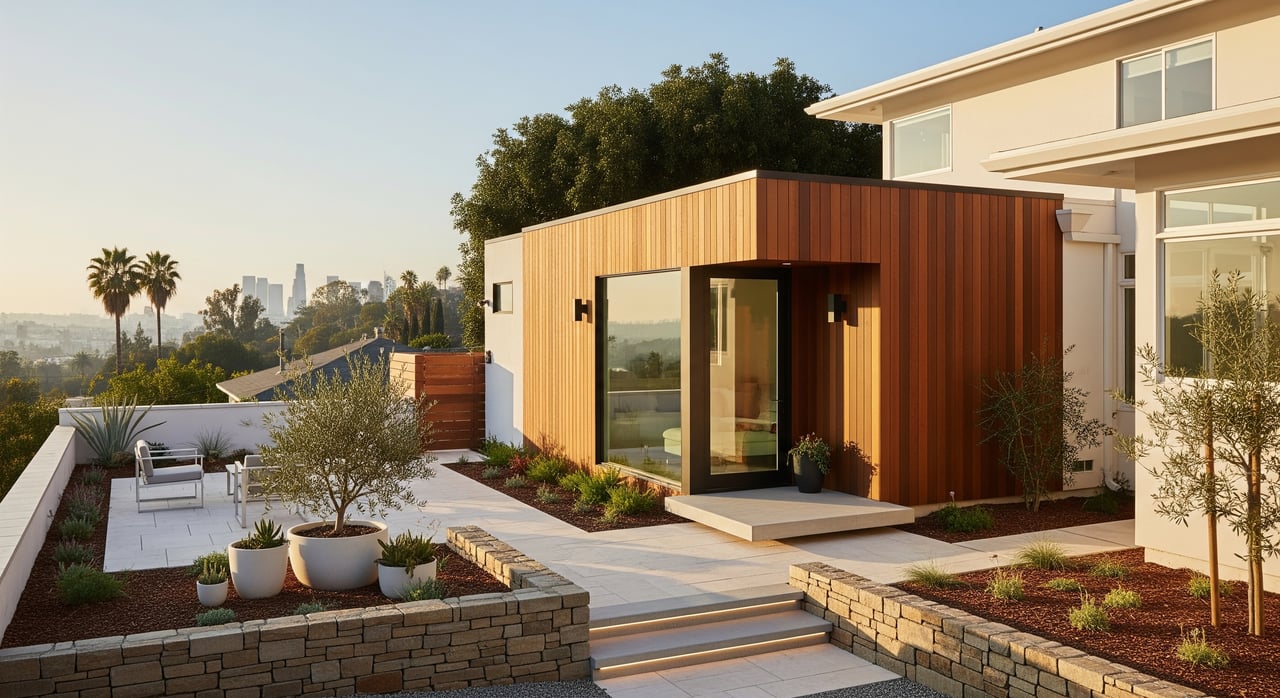
An ADU is an Accessory Dwelling Unit, which is a secondary home on the same lot as a primary residence. It can be attached or detached, and there are junior ADU variations. State law created a ministerial path for many ADUs that limits local barriers in most cases. Typical uses include rental income, multigenerational living, and guest space, with short‑term rental rules set locally.
SB 9 is a 2021 state law that offers two ministerial tools on qualifying single‑family lots. First, it allows a duplex approval where only one home was allowed. Second, it allows a two‑lot split with objective standards. Cities can apply clear rules like setbacks and design standards, but they cannot require discretionary review that blocks a compliant project.
How they differ
- ADU adds a secondary unit to a single lot. It sits alongside the primary home and follows ADU rules on size, parking, and utility connections.
- SB 9 can allow two primary units on one lot, or a lot split into two parcels. Each path has its own eligibility limits and objective standards.
- SB 9 is not a blanket entitlement. It aims to modestly increase housing while preserving neighborhood scale.
How they interact
- After an SB 9 lot split, you may still add ADUs to each resulting lot if ADU law and local rules are met.
- An existing ADU can affect SB 9 eligibility if demolition or changes would impact protected or rent‑regulated housing. Always check the specific property.
- Treat ADU and SB 9 as separate, interlocking approvals. Each has its own standards and workflows.
Silver Lake specifics to check
Silver Lake’s charm includes hillside streets, architectural diversity, and some historic areas. Those same qualities can shape what you can build.
HPOZ and historic context
Parts of Silver Lake are within Historic Preservation Overlay Zones. If a property is a designated historic resource or within certain boundaries, additional design standards may apply. Historic protections or recorded preservation controls can affect both SB 9 and ADU outcomes. Confirm boundaries and status before you rely on any density plan.
Hillside and slope limits
Many parcels are hillside lots with grading, retaining wall, and floor‑area rules that can constrain ADU placement or lot splits. Engineering, access paths, and foundations often add time and cost. Plan for a topographic survey early if the site slopes.
Fire, flood, and landslide zones
Very high fire hazard severity zones and other hazard areas can add requirements, and some SB 9 exemptions may apply. Insurance, fire hardening, or engineering may be required. Review hazard maps and factor these into your budget and timeline.
Access and parking realities
Narrow streets, alley access, or easements can limit how and where you add units or whether a lot can be split and still meet objective standards. State and local rules may reduce ADU parking requirements near transit, but every site is different. Confirm counts and access widths early.
Zoning tools you will use
- ZIMAS for zoning, overlays, parcel size, and hazard layers.
- Los Angeles Department of City Planning for ADU and SB 9 procedures and objective standards.
- Los Angeles Department of Building and Safety for building permits and inspections.
- Office of Historic Resources for HPOZ maps and historic resource guidance.
Due diligence before you write the offer
Use this quick checklist to verify feasibility and risk. Add contingencies where needed.
- Title and deed restrictions: Request a preliminary title report and look for CC&Rs, conservation easements, and any recorded preservation agreements that could restrict ADUs or SB 9 splits.
- Permits and certificates: If an ADU exists, obtain permits, final inspections, and the certificate of occupancy if issued. Never assume an “unpermitted ADU” can be kept as is.
- Zoning and overlays: Use ZIMAS, then confirm with City Planning. Verify zoning, lot size, FAR, setbacks, hillside designations, and any special grading areas.
- Historic status: Confirm if the home is a designated historic resource or within an HPOZ.
- Hazard constraints: Check wildfire severity zones, landslide, liquefaction, and flood layers. Understand potential insurance and engineering impacts.
- Utilities: Identify the locations and capacity for water, sewer, gas, and electrical. New meters or lateral upgrades may be needed.
- Parking and access: Measure driveway widths and review alley or easement conditions. Note any parking exemptions that might apply due to transit proximity.
- HOA considerations: If in an HOA, review CC&Rs for limits that could effectively prohibit ADUs or lot splits.
- Code enforcement and liens: Check for open violations, fines, or assessment liens that could affect closing.
- Tenants and protections: If the property has tenants, evaluate local tenant protections, rent control ordinances, and any implications for demolition or conversion plans.
- Feasibility studies: For new construction, secure rough cost estimates, a site and topographic survey for hillside sites, and a preliminary review with an architect or contractor familiar with LA ADUs and SB 9.
- Professional review: Consider a land‑use attorney or expeditor for SB 9, and structural or geotechnical engineers for hillside ADUs.
Timelines, costs, and financing
Your timeline and budget depend on site conditions and scope. Build in contingency time for plan checks and corrections.
Permits and approvals
ADU permits in Los Angeles can take several weeks for simple conversions once a complete application is filed. Detached or more complex ADUs often require several months. SB 9 ministerial duplex approvals or lot splits can also take several months, especially when surveys, utility separations, or departmental clearances are needed.
Construction and split costs
ADU construction costs vary with size, quality, and site conditions. In Los Angeles, small conversions tend to be lower cost, while new detached ADUs often range from a low six‑figure budget to more than $300,000. Hillside work and utility upgrades increase costs. For SB 9 lot splits, plan for survey, legal, filing fees, utility separation, and potential off‑site work, which can run from several thousand to tens of thousands of dollars.
Financing and appraisals
Many buyers use construction loans, HELOCs, cash‑out refinances, or specialized ADU financing. Lenders may require notification or consent if your mortgage has occupancy covenants. For lot splits, existing lenders may need to release or modify mortgages so each new parcel can be financed or sold. A permitted ADU typically supports value and marketability. Appraisals depend on quality, rental income, and comparable sales with ADUs in Silver Lake.
Taxes and insurance
Adding an ADU generally increases assessed value for the new improvements. Under Prop 13, only the new construction portion is typically reassessed. Update your insurance for additional units and rental use. Consider landlord or umbrella coverage if you plan to lease the unit.
Smart next steps
- Before you offer: Run ZIMAS, request a preliminary title report, and ask the seller for ADU permits and finals.
- In your offer: Add contingencies for ADU and SB 9 feasibility, permit verification, and utility condition.
- During escrow: Order a survey and topo for hillside lots. Pull recorded documents. If pursuing SB 9, schedule a preliminary review with City Planning or a land‑use professional.
- Prior to closing: Confirm lender requirements for ADU status and inform your insurer of intended occupancy and rental use.
- Post‑closing: Plan pre‑application meetings with City Planning and Building and Safety, and hire a licensed architect or expeditor familiar with Silver Lake conditions.
When to bring in specialists
- Land‑use attorney or planning consultant: When title restrictions exist, HPOZ status is unclear, or you plan a lot split.
- Architect, structural and geotechnical engineers, and a general contractor: For realistic feasibility, cost, and constructability, especially on hillside sites.
- Mortgage professional experienced with ADUs: To align loan structure with your build timeline and occupancy.
What this means for your search
ADUs and SB 9 can unlock real flexibility in Silver Lake, from guest space to steady rental income, or a long‑term plan for a split parcel. The opportunity is there, but feasibility lives in the details, including zoning, overlays, utilities, and access. With the right due diligence, you can make a clear, confident offer and design a home that fits your life and investment goals.
Ready to evaluate a specific property or assemble the right team? Connect with RSR Real Estate for a private, strategy‑first consultation tailored to Silver Lake.
FAQs
What is SB 9 in Los Angeles and does it apply in Silver Lake?
- SB 9 provides ministerial approvals for duplexes and two‑lot splits on qualifying single‑family parcels, and it can apply in Silver Lake subject to eligibility and objective local standards.
Can you add an ADU after an SB 9 lot split in Silver Lake?
- Yes, ADUs may be added to each resulting lot if ADU law and local rules are met, although each lot must still satisfy setbacks, coverage, and utility standards.
How do you verify an existing ADU is legal in Silver Lake?
- Request building permits, final inspections, and the certificate of occupancy if issued, then cross‑check with the Los Angeles Department of Building and Safety.
Do parking rules for ADUs change near transit in Los Angeles?
- State and local rules may reduce or waive ADU parking near transit, but you must confirm site‑specific requirements and access conditions.
How long does ADU permitting take in Los Angeles?
- Simple conversions can move in several weeks with complete plans, while detached or complex ADUs often require several months for plan checks and corrections.
Will an ADU raise your property taxes in Los Angeles County?
- Adding an ADU generally increases assessed value for the new improvement, while your base assessment typically remains under Prop 13.
Are hillside lots in Silver Lake eligible for SB 9 splits?
- Some are, but hillside rules, hazard zones, and access standards can limit feasibility, so a property‑level review is essential.