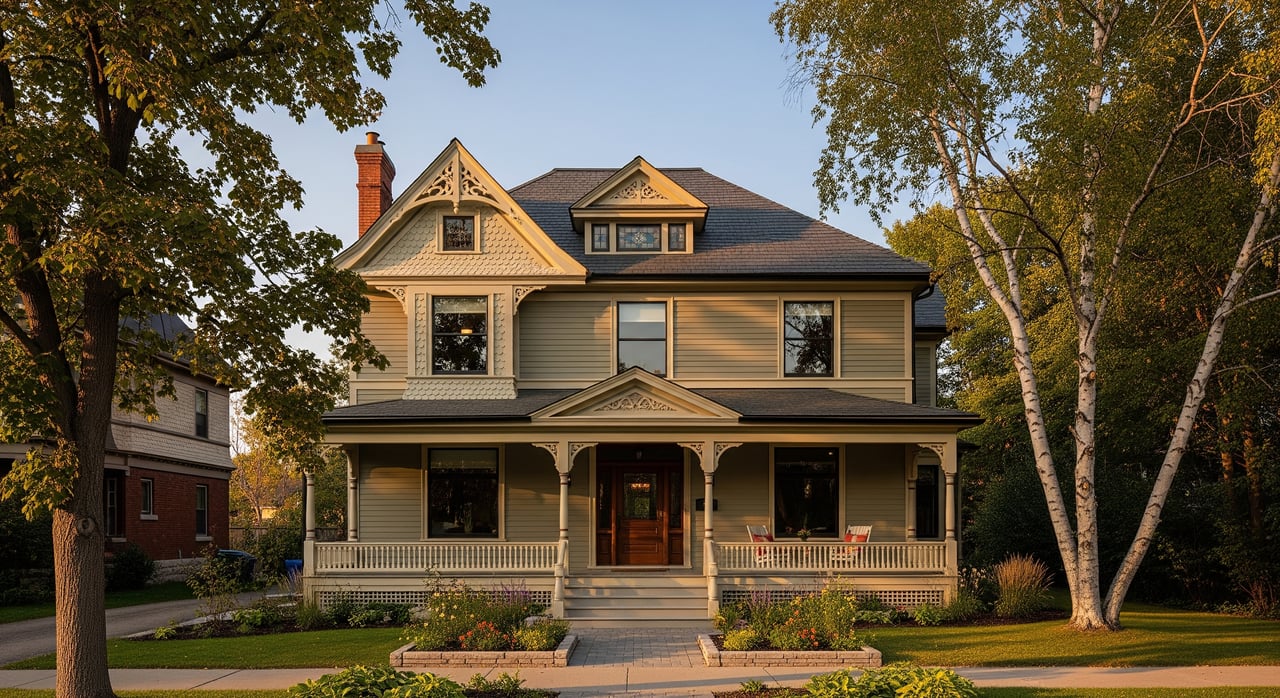
Eyeing a Craftsman in Highland Park or preparing to restore a century-old gem you already own? You want to protect its character, make smart upgrades, and understand how taxes and permits will affect your plan. This guide breaks down how Historic Preservation Overlay Zones and the California Mills Act work, what qualifies, and how to sequence your project with confidence. You will walk away with a plain‑English roadmap tailored to Highland Park. Let’s dive in.
HPOZ and Mills Act basics
What HPOZ does
An HPOZ is a local preservation district that helps the City of Los Angeles protect the historic character of a neighborhood. In Highland Park, that means exterior work visible from the street is reviewed for compatibility with the district’s Preservation Plan. The review process uses the Secretary of the Interior’s Standards for Rehabilitation as a baseline for decisions. New construction, additions, and demolition are guided so the streetscape remains coherent and historically appropriate.
What the Mills Act offers
The Mills Act is a California program that allows cities and counties to grant property tax relief to owners of qualified historic properties. In exchange, you sign a contract to preserve and maintain the historic character of your home. Contracts commonly run for 10 years and renew each year until canceled, and they are recorded so they apply to future owners as well. Many owners see materially lower annual property taxes, which can help offset restoration and maintenance costs.
How they align
Think of HPOZ as the “how” and the Mills Act as the “why.” HPOZ review guides what changes are allowed and ensures your work is historically appropriate. The Mills Act provides a financial incentive tied to that stewardship through an enforceable maintenance agreement. Used together, they encourage careful restoration while helping reduce carrying costs over time.
Who qualifies in Highland Park
Contributing vs. non‑contributing
Two common pathways make a property eligible for Mills Act consideration. You can qualify if the home is individually designated as historic, or if it is a contributing resource in an HPOZ. Contributing properties retain enough original features to convey their historic significance, while non‑contributing ones are too altered, too new, or missing key character elements. District inventories and Preservation Plans identify which properties contribute and serve as the starting point for eligibility discussions.
Local rules to confirm
Each city sets its program rules and priorities. In Los Angeles, you should confirm the specific Highland Park HPOZ boundaries, check the property’s contributing status, and review current Mills Act application procedures. Some jurisdictions limit the number of new contracts accepted each year or prioritize certain building types or areas. Approval is not automatic, so plan ahead and verify timelines before you budget based on anticipated savings.
How they work together
Typical workflow
- Confirm whether the home is within an HPOZ and verify its contributing status or individual designation.
- Review the HPOZ Preservation Plan to understand design standards and likely outcomes for your scope.
- Obtain a condition assessment and a preservation plan, often required for Mills Act applications.
- Seek HPOZ review and permits for exterior work visible from the public right of way.
- Apply for the Mills Act with your preservation plan, scope, and evidence of historic significance.
- If approved, sign the Mills Act contract and proceed with work under HPOZ approvals and Standards.
Obligations that connect both programs
Work supported by Mills Act benefits must comply with the Secretary of the Interior’s Standards and the local HPOZ guidelines. The Mills Act contract typically includes binding maintenance obligations and may include inspections. Exterior changes in an HPOZ require approval before you begin. Failure to follow either program can jeopardize benefits and may trigger enforcement.
Benefits and trade‑offs
Financial benefits
Mills Act tax relief can be significant and is often large enough to materially offset rehabilitation and maintenance expenses. Savings depend on your assessed value and the local valuation formula used by the assessor. The Mills Act is not a grant, so you still fund the construction, but lower taxes can improve cash flow and long‑term ownership feasibility. This can make a restoration plan more achievable.
Non‑financial benefits
The HPOZ review process connects you with preservation expertise and clear design guidance. Homes that retain historic fabric often see stronger appeal among buyers who value authenticity and neighborhood integrity. Over time, district protections can help maintain the character that drew you to Highland Park in the first place. Together, these factors can support confidence in long‑term stewardship.
Constraints to weigh
Exterior work visible from the street will need HPOZ review, and some modern alterations or demolition may be limited or denied. Mills Act contracts create a long‑term covenant that runs with the property and can include inspections and ongoing obligations. Some buyers or lenders may view restrictions cautiously, while many buyers pay premiums for well‑preserved historic properties in desirable districts. Consider the administrative steps and potential application caps when planning your timeline.
Your step‑by‑step plan
- Verify whether the address lies within a Highland Park HPOZ and confirm contributing status in the district inventory.
- Download and study the HPOZ Preservation Plan and design guidelines that apply to your street and property type.
- Schedule a professional condition assessment and outline a preservation plan with prioritized scope and costs.
- Consult the City’s Office of Historic Resources about eligibility, current Mills Act rules, deadlines, and any contract caps.
- Speak with a tax professional and the local assessor’s office about how Mills Act valuation could affect your specific tax bill.
- Retain a preservation‑experienced contractor and, if needed, a preservation architect familiar with HPOZ review.
- Budget time for HPOZ approvals before construction and keep records that show compliance with Standards and contract obligations.
Risks to avoid
- Relying on anticipated tax savings without written confirmation that you meet Mills Act criteria.
- Starting exterior work before HPOZ review or deviating from approved plans during construction.
- Assuming a non‑contributing property will qualify without significant restoration that meets eligibility thresholds.
- Missing application windows in jurisdictions with annual caps or limited intake.
What this means for value
In the near term, Mills Act contracts can reduce annual property taxes, which may increase buyer interest by lowering carrying costs. Over the long run, HPOZ protections can stabilize neighborhood character and support steady or stronger values, especially when demand for historic homes remains robust. Individual outcomes vary based on property condition, design integrity, and market cycles. If you are modeling value impacts, consult an appraiser with experience in historic properties.
Local resources to contact
- City of Los Angeles Office of Historic Resources for HPOZ maps, Preservation Plans, and program rules.
- Los Angeles Department of City Planning for HPOZ filing, permits, and Board schedules.
- California Office of Historic Preservation for statewide guidance on the Mills Act and preservation standards.
- National Park Service for the Secretary of the Interior’s Standards for Rehabilitation.
- Los Angeles County Assessor for property‑specific Mills Act tax valuation questions.
- Preservation architects, contractors with historic expertise, and tax advisors familiar with historic property contracts.
Ready to explore your options?
If you are weighing a restoration in Highland Park or running numbers on a potential Mills Act application, you deserve a clear plan tailored to your property and goals. Our team understands how design, preservation, and market positioning intersect to create long‑term value. For discreet guidance on eligibility, scope, and buyer appeal, request a private conversation with our team at RSR Real Estate.
FAQs
What is an HPOZ in Highland Park?
- It is a local historic district that requires design review for exterior work visible from the street to protect the neighborhood’s historic character using a Preservation Plan and recognized Standards.
How does a Mills Act contract affect Los Angeles property taxes?
- It can significantly reduce property taxes based on a special valuation formula, with savings varying by property; owners agree to maintain historic character under a recorded contract.
Can I make exterior changes under HPOZ and the Mills Act?
- Yes, if the changes are approved through HPOZ review and follow the Secretary of the Interior’s Standards and local guidelines; unapproved work can jeopardize benefits.
Does a Mills Act contract transfer to a new owner?
- In most cases, yes; the contract runs with the property and binds future owners unless terminated under the contract’s provisions.
Can I demolish a contributing house under these programs?
- Demolition is typically difficult; HPOZ review controls demolition, and a Mills Act contract may prohibit it without approval and can trigger penalties or contract rescission.