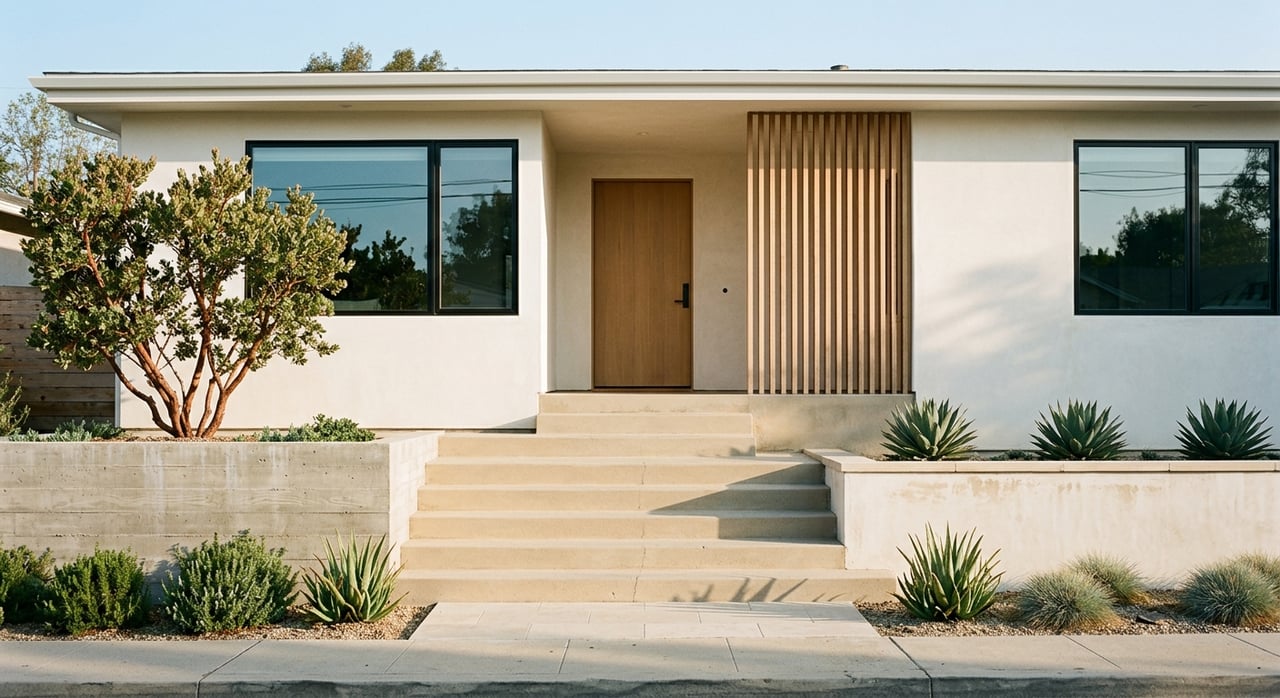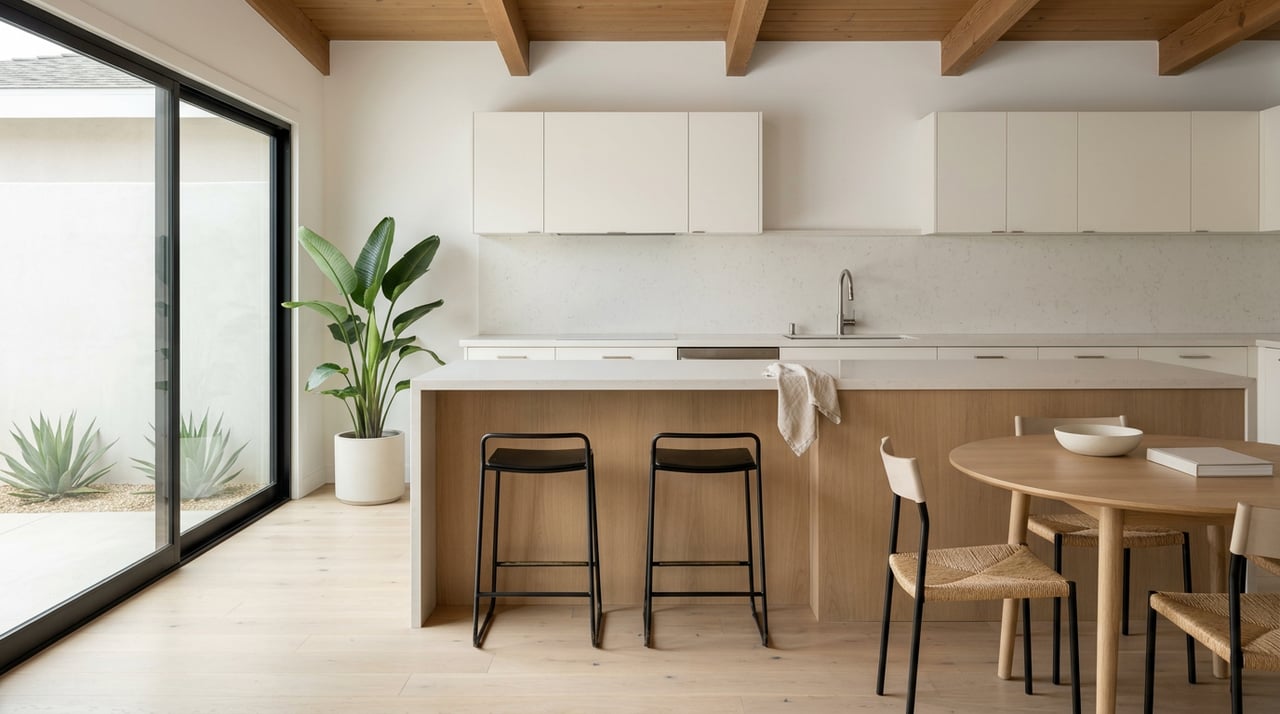
Is your Silver Lake home more than square footage? If it carries an architectural story, crafted materials, or a thoughtful renovation, you have an asset that can command attention — and a premium — when you bring it to market. You want a process that respects the design, reaches the right buyers, and removes friction from escrow. In this guide, you’ll learn how to position a design‑forward Silver Lake home with the right media, staging, narrative, pricing, and disclosures so you sell with confidence. Let’s dive in.
Know your Silver Lake buyer
Silver Lake is a design‑literate pocket of Los Angeles with early bungalows, midcentury hillside gems, and striking contemporary builds. Local preservation groups document this architectural variety and history, which helps explain the market’s strong design identity. For background on the neighborhood’s architectural mix, review these resources from Silver Lake Heritage.
Design‑minded buyers here often include architects, designers, and creative professionals. Many seek provenance, original details, and well‑executed restorations. Editorial attention follows these stories too, as seen in a recent Architectural Digest feature on a Silver Lake listing. When you pair great visuals with a clear narrative, you expand your buyer pool beyond the portals.
Market snapshots from online aggregators can vary by method and timing. For a price strategy you can trust today, work with a local agent who will pull a neighborhood‑specific analysis and account for architecture, finish level, and views.
Build a media plan that honors design
Strong media is non‑negotiable for design homes. It is the first showing, the press packet, and your social engine.
Photography that tells a story
Think like an editor, not just a listing site. Aim for a set that balances space and detail:
- 25–40 high‑resolution stills with at least 8–12 detail images.
- Hero exteriors and a twilight facade for mood.
- Primary living axis, kitchen, bedrooms, and baths in clean, evenly lit compositions.
- Signature junctions and materials — clerestory glass, cantilevers, built‑ins, wood grain, tile, and metalwork.
- 2–3 intimate detail frames for editorial use.
A brief for your photographer should map the approach, entry sequence, and key rooms so the edit reads like a tour.
Video, floor plans, and 3D
A 60–90 second cinematic walk‑through plus a clear floor plan helps buyers understand flow and scale. Add a 3D or virtual tour when possible so remote buyers can engage.
Drone done right
If aerials show context, views, or hillside siting, they are worth it. Hire a pilot who holds the FAA Part 107 Remote Pilot certificate and follows operating rules. Review the FAA’s guidance for commercial drone operators and confirm airspace and property permissions before you schedule.
Stage for authenticity
Staging is an investment, not a garnish. The National Association of REALTORS® reports that staging helps buyers visualize a property and is often linked to shorter market times and modest price lifts. The most impactful rooms to stage are the living room, primary bedroom, and kitchen, according to NAR’s staging analysis.
For design‑forward homes, align the furniture and styling with the house’s language. A restored midcentury needs restraint, clear sightlines, and negative space. A warm, contemporary build can support layered textures in a muted palette. Avoid over‑polishing patina that is part of the home’s character. The goal is to clarify each room’s purpose and let the architecture breathe.
Document provenance and upgrades
Great storytelling is backed by great paperwork. Before you list, assemble a file that makes your narrative easy to verify and helps the appraisal:
- Architect and contractor names, with dates and scope.
- Permit history and significant approvals.
- Original plans, renderings, and shop drawings if available.
- Product lists for fixtures and finishes, plus warranties and receipts.
- Before‑and‑after images for renovations.
- Any awards or press mentions.
This package supports your pricing, reduces buyer friction, and helps underwriters understand value.
Shape an editorial narrative
Design media respond to clear, human stories. If your home has a hook, share it with intention.
What editors want
Editors look for a concise, visual narrative that answers who, when, why, and what makes the home exceptional. Named architects or builders, unusual material craft, a careful restoration, or strong sustainability features are all compelling angles. Dwell’s submission notes highlight the need for quality imagery and a tight summary; review Dwell’s pitch guidance to frame your story.
Pitch packet essentials
If you pursue press, prepare a short, thoughtful packet:
- 4–6 curated high‑res images.
- A 200–300 word hook focused on the home’s idea, not hype.
- A fact sheet with square footage, lot size, year built, architect, and a brief permit summary.
- Availability for interviews.
- Any editorial exclusivity window and timing.
Use exclusives selectively and coordinate them with your listing launch so coverage supports showings rather than delaying them.
Price and appraise with care
Design homes rarely have perfect comps. Start with a careful comparative analysis that adjusts for architecture, finish level, views, and provenance. If your home is highly custom or credited to a notable architect, consider ordering a pre‑listing valuation from a certified appraiser with experience in architect‑designed properties. A pre‑listing appraisal can reduce financing surprises and help justify the list price with data.
To support the appraiser, deliver a packet that documents every upgrade and the architect’s portfolio, if relevant. Paired sales adjustments or the cost approach may come into play for truly unique builds, so complete records matter.
Legal and permitting essentials
Clean disclosures and permit clarity build trust and protect you in escrow.
Disclosures you must deliver
California sellers must provide the Transfer Disclosure Statement and related statutory forms. These cannot be waived by an “as‑is” sale. Review the requirements in the California Civil Code and work with your agent to assemble a full package. You can read the statute for the Transfer Disclosure Statement in Civil Code §1102.6.
Natural Hazard Disclosures
Silver Lake includes hillside terrain and areas with wildfire or seismic considerations. The Natural Hazard Disclosure report is required in California and identifies whether a property falls in mapped zones. For an overview of what is included, see this NHD explainer.
Permits and historic context
Confirm permit history with the Los Angeles Department of Building and Safety before you list. Also check SurveyLA and the City’s Office of Historic Resources for any historic status or overlay that could affect exterior changes. Some nearby areas have preservation overlays where exterior work requires review. Learn more about local preservation overlays on Los Angeles City Planning’s site and explore the SurveyLA background for Silver Lake in this community survey document.
Timeline and checklist
Use this sample schedule to structure a media‑rich, press‑ready launch.
- Weeks −4 to −3: Review permits and disclosures. Order pre‑listing inspections for roof, systems, and pest. Begin assembling provenance, plans, and warranties. Align on pricing strategy.
- Weeks −3 to −2: Deep clean and declutter. Complete targeted repairs. Book the stager, stylist, and architectural photographer. Prioritize living room, primary suite, and kitchen.
- Week −1: Photo day for interiors, details, twilight, and any permitted drone establishing shots. Capture video and floor plan or 3D tour. Draft the press packet and invite list.
- Week 0: Host a broker preview. Limit public showings to protect the property while demand builds. Send press outreach timed to your launch and any exclusive window.
- Ongoing: Roll out a social plan with carousel posts and short reels. Target paid ads toward design audiences and relevant Los Angeles ZIP codes. Coordinate private showings for qualified buyers.
Vendor roster to line up: architectural photographer, stager with midcentury and contemporary inventory, social/video producer, Part 107‑certified drone operator, pre‑listing inspectors, and a PR contact list for Dwell, AD, LA Times, and curated design outlets.
Social and broker outreach
Visual‑first platforms reward design clarity. Use short cinematic clips to show circulation and material texture, and carousels to tell room‑by‑room stories. Pair that with invite‑only previews for brokers and, when appropriate, a separate design‑trade or press walkthrough. This approach targets qualified buyers, preserves condition, and adds momentum.
How RSR Real Estate helps
Selling a design‑forward Silver Lake home calls for more than a sign and a feed post. You deserve a team that treats your property as cultural capital and brings a full toolkit: editorial‑grade media, narrative development, targeted buyer outreach, and precise transaction management. RSR combines boutique, design‑led presentation with the distribution and compliance power of a national platform to protect your privacy and maximize value.
From staging and stylist direction to press positioning and private showings, we manage every detail so your architecture is the headline and your escrow is smooth. If you are considering a sale, let’s start with a quiet valuation review and a tailored launch plan.
Ready to position your Silver Lake home for its best result? Connect with RSR Real Estate for a private consultation.
FAQs
Do professional photos really matter for design homes?
- Yes. For architecturally notable homes, a complete set of wide shots and material‑rich details drives more attention and supports press, private showings, and pricing confidence.
Which rooms should I stage in a Silver Lake home?
- Focus on the living room, primary bedroom, and kitchen. NAR research links these rooms to better buyer visualization and faster sales when well staged.
How should I price a unique architect home?
- Start with a careful local analysis that adjusts for architecture, finish, views, and provenance, and consider a pre‑listing appraisal by an appraiser experienced with custom, architect‑designed properties.
What disclosures are required in California home sales?
- You must deliver the Transfer Disclosure Statement and related forms, plus the Natural Hazard Disclosure; these are statutory and cannot be waived by “as‑is” language.
Can I use drones to market my property?
- Yes, if you hire a Part 107‑certified pilot and follow FAA rules, including airspace checks and property permissions before any flight.