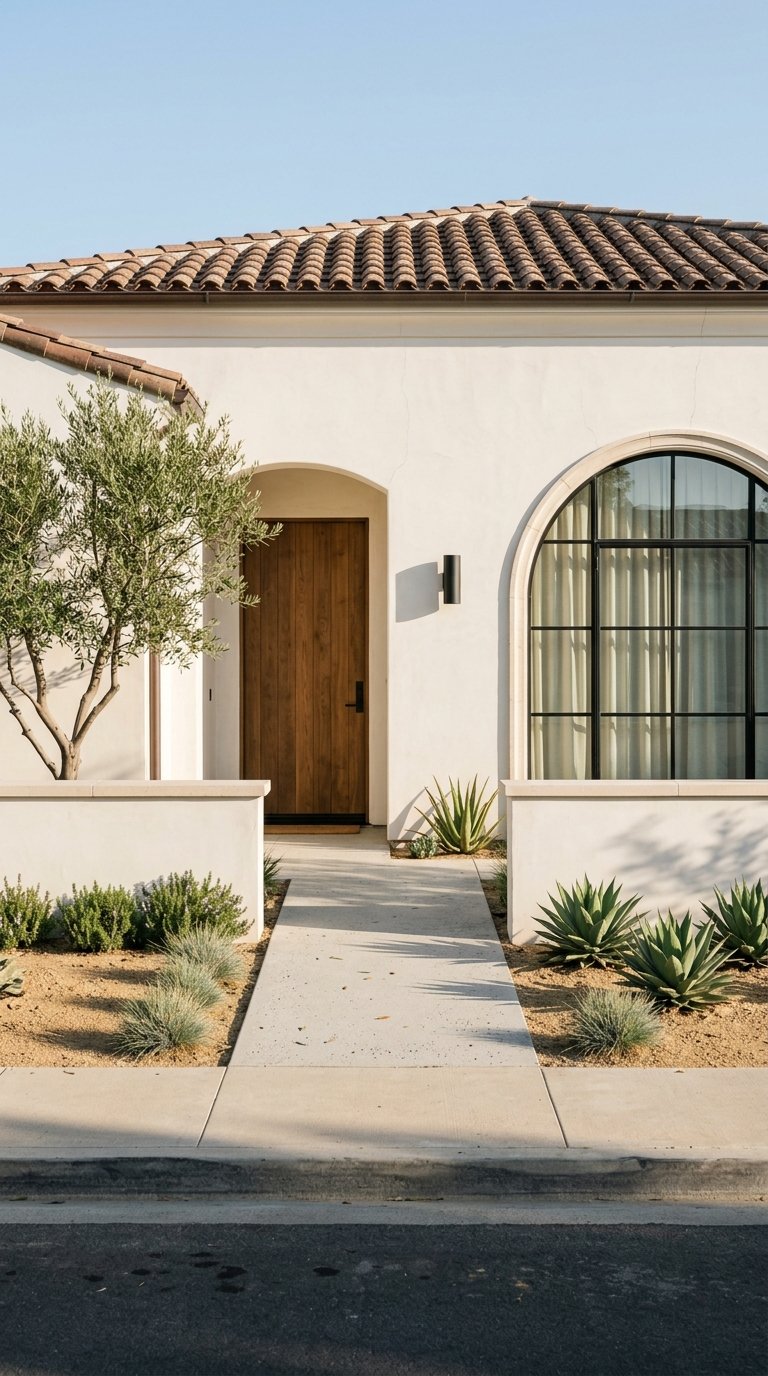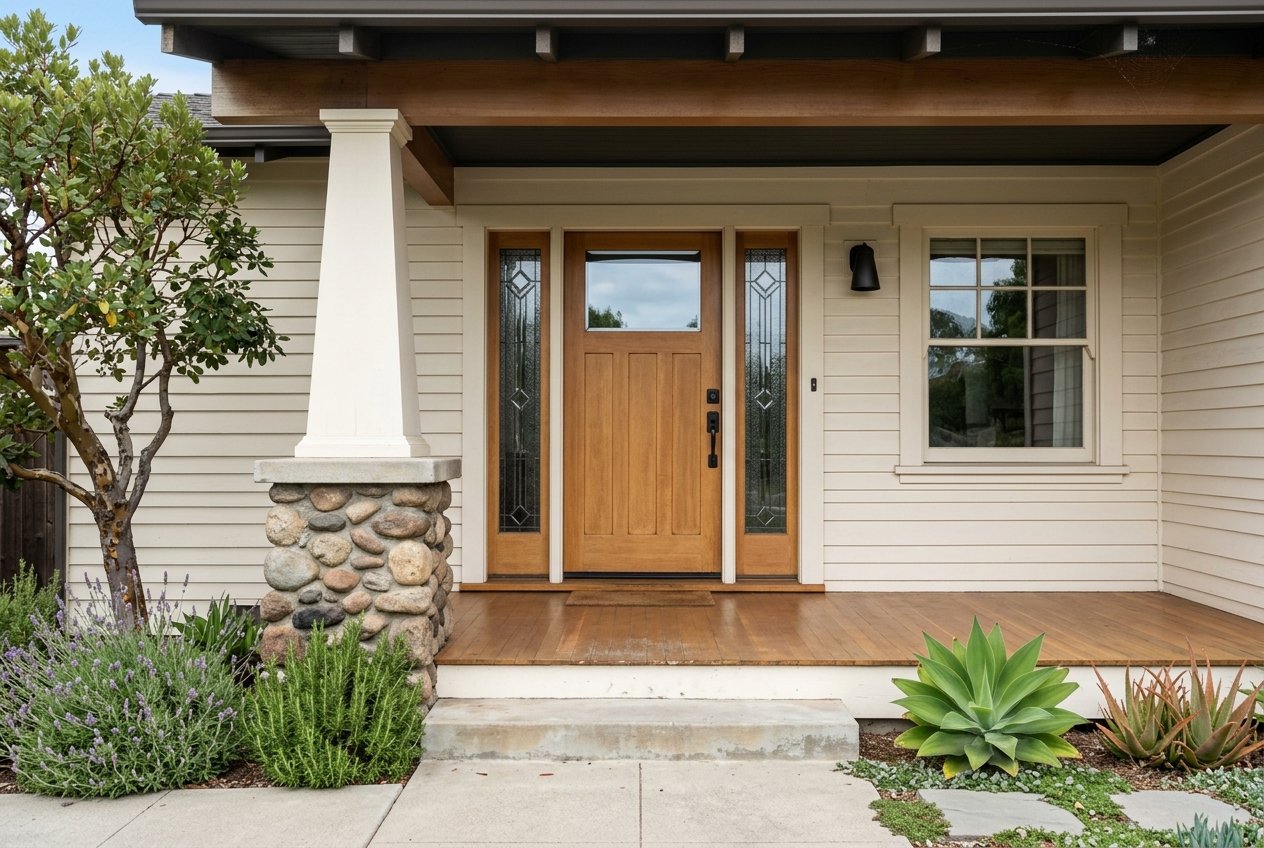
What makes a buyer stop scrolling and feel something about an older home? In Highland Park, the answer is rarely just square footage or finishes. Character homes here are part of a larger neighborhood story, and when you market them well, you help buyers see both the house and its place in the streetscape. If you are preparing to sell a character home in Highland Park, a thoughtful strategy can help you present its history, updates, and long-term appeal with clarity. Let’s dive in.
Why Highland Park supports character-home marketing
Highland Park has a distinct built identity that gives older homes more context than a standard detached listing. According to the Highland Park Community Association, the area was annexed in 1910 and was not substantially developed until 1946, with direct access to downtown via Centre Street and Edmonton Trail, plus connections to regional bike pathways, Confederation Park, and Nose Hill Park.
That broader context matters because buyers often respond to a home more strongly when it is presented as part of a recognizable neighborhood fabric. The community’s history and heritage overview points to pre-World War II homes on 34th Ave NE, slope-adaptive buildings, low-profile bungalows, mature trees, and a permeable grid street pattern. In practical terms, that means your home should be marketed as part of Highland Park’s layered architectural story, not simply as an older detached property.
Position the home with precise language
One of the most important parts of marketing a character home is using the right terms. In Calgary, a character home is not the same thing as a heritage-listed home or a designated historic property.
The City of Calgary notes that character-home criteria in the Heritage Incentive Area focus on homes built in 1945 or earlier that retain original form, scale, massing, roof profile, and most of the original window pattern on the primary facade. At the same time, Heritage Calgary explains that the Inventory of Evaluated Historic Resources includes only fully evaluated historic resources, and not every older property qualifies.
That distinction matters for buyer trust. If a home is older and visually distinctive, you can call attention to its architectural charm and original details. But if it is not inventoried or formally designated, your marketing should not imply a legal heritage status it does not have.
Three terms buyers should understand
- Character home: An older home with retained architectural features and original form.
- Heritage-listed or inventoried: A property that has been evaluated and included in the Inventory of Evaluated Historic Resources.
- Designated Municipal Historic Resource: A legally protected property with specific rules around demolition and changes to historic elements.
Clear language reduces confusion and helps buyers feel confident in what they are considering.
Answer approval and permit questions early
Older homes often bring more buyer questions, and strong marketing should get ahead of them. In Highland Park, that is especially relevant because the neighborhood sits within the North Hill Communities Local Area Plan, where planning and heritage guidance can shape how buyers think about additions, compatibility, and future redevelopment.
If your home is a designated Municipal Historic Resource, the City of Calgary says it cannot be demolished, and changes to historic elements may require approval. The City specifically notes that rooflines, windows, and exterior walls can be subject to review, and heritage program information also outlines tax and grant incentives available for designated properties.
Even if your home is not designated, documentation still matters. The City states that a Certificate of Compliance does not review permit history, so sellers should verify past permits and inspections, obtain an up-to-date Real Property Report, and address concealed or unpermitted work before listing or closing.
Documents that strengthen your listing
Before you bring a Highland Park character home to market, it helps to organize:
- An up-to-date Real Property Report
- Permit and inspection records for additions or renovations
- A clear summary of known updates
- Accurate information about heritage inventory or designation status, if applicable
- Any relevant information about location within a Heritage Guideline Area, if confirmed for the parcel
This kind of preparation supports a smoother showing process and more confident buyer conversations.
Focus on presentation, not over-modernization
Today’s buyers still respond to charm, but they also expect a home to feel easy to understand. In March 2026, CREB reported that Calgary’s market was relatively balanced overall, while detached homes remained the tightest segment. In the North West district, supply was under two months, which suggests that sellers still benefit from demand, but presentation remains important because buyers have options.
That is where staging and visual strategy can make a real difference. The National Association of Realtors 2025 Profile of Home Staging found that 83% of buyers’ agents said staging made it easier for buyers to visualize a property as their future home. The same report found that 49% said staging reduced time on market, while 29% said it increased dollar value offered by 1% to 10%.
For a character home, that does not mean stripping away personality. It means reducing distractions so buyers notice the right things first.
What to highlight in a Highland Park character home
The goal is to let the home’s defining features lead the story. Depending on the property, that may include:
- Original trim or millwork
- Built-ins
- Fireplaces
- Stair details
- Window patterns
- Distinct room proportions
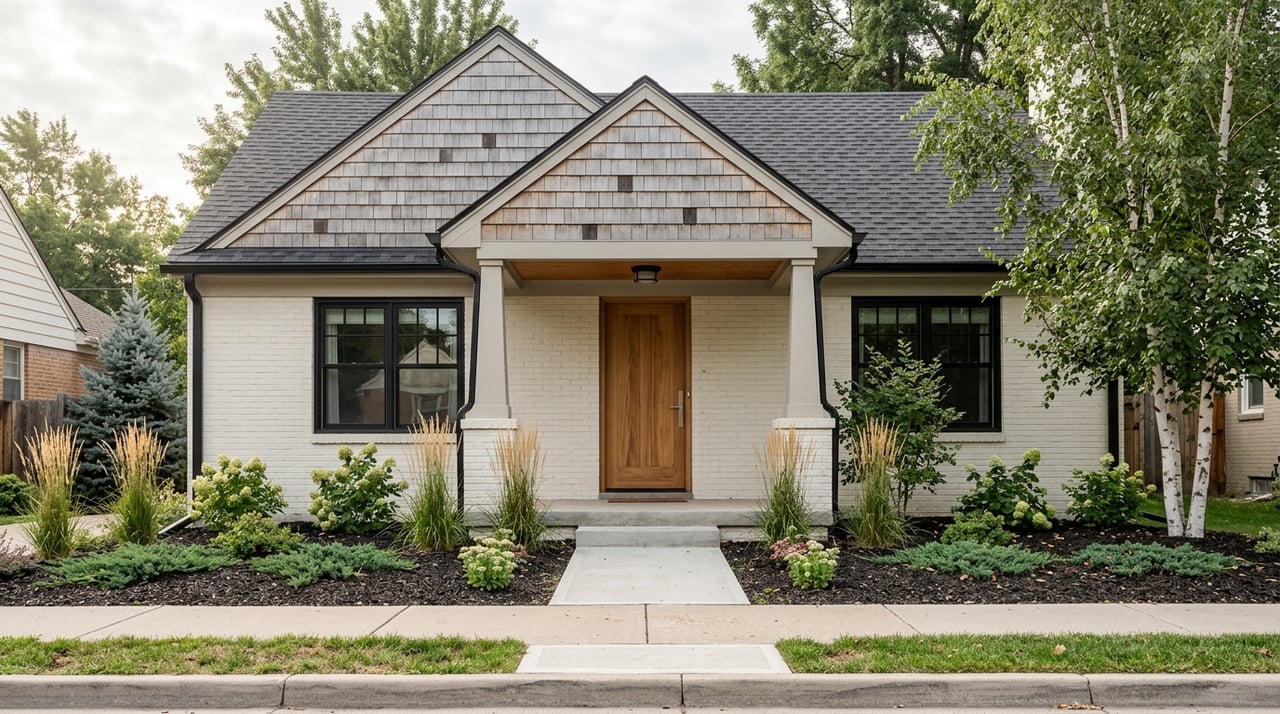
- Roof profile and exterior form
- Mature landscaping and streetscape presence
The same NAR report notes that sellers are most often advised to declutter, clean, and improve curb appeal. In a character home, those basics often have an outsized impact because they make original features easier to read in person and in photos.
Tell the update story carefully
Buyers want to know what is original, what has changed, and whether the work feels compatible with the home. That is why your marketing should describe updates with precision rather than broad claims like “fully reimagined” or “completely modernized,” especially if the property’s appeal comes from retained architectural character.
Parks Canada’s Standards and Guidelines support an approach that retains character-defining elements, uses minimal intervention, and repairs rather than replaces where possible. While those are conservation guidelines, they also support a stronger marketing message: thoughtful updates tend to resonate more than wholesale changes when buyers are drawn to a home’s original identity.
A better way to frame renovations
Instead of leaning on vague upgrade language, focus on specifics such as:
- The age and style of the house
- Which original features remain
- Which systems or finishes have been updated
- Whether the exterior form has been preserved
- The exact heritage status, if any
This gives buyers a cleaner picture of the property and protects credibility throughout the sale process.
Build the listing around place and provenance
A strong character-home listing should do more than describe rooms. It should explain why this home belongs here, and why Highland Park adds depth to its appeal.
That neighborhood story is well supported by the community’s own history. The Highland Park heritage overview makes it reasonable to reference mature trees, a walkable grid, older housing patterns, and a layered streetscape. The community association’s overview also supports highlighting access to downtown, nearby parks, and bike connections.
For buyers, that kind of storytelling creates context. It moves the listing from a simple feature sheet to a more complete narrative about architecture, setting, and daily living.
Use photos and tours to support the story
Character homes need strong visuals because many of their best qualities are emotional and spatial. Buyers often need to see how light moves through older windows, how a staircase anchors the entry, or how a low-profile bungalow sits within a mature streetscape.
The NAR staging report found that photos, videos, and virtual tours are highly important in listings. For a Highland Park home, those assets should not just document the property. They should help buyers understand scale, craftsmanship, exterior presence, and how original details work with later updates.
Visual priorities to consider
If you are planning your marketing rollout, the highest-value visuals often include:
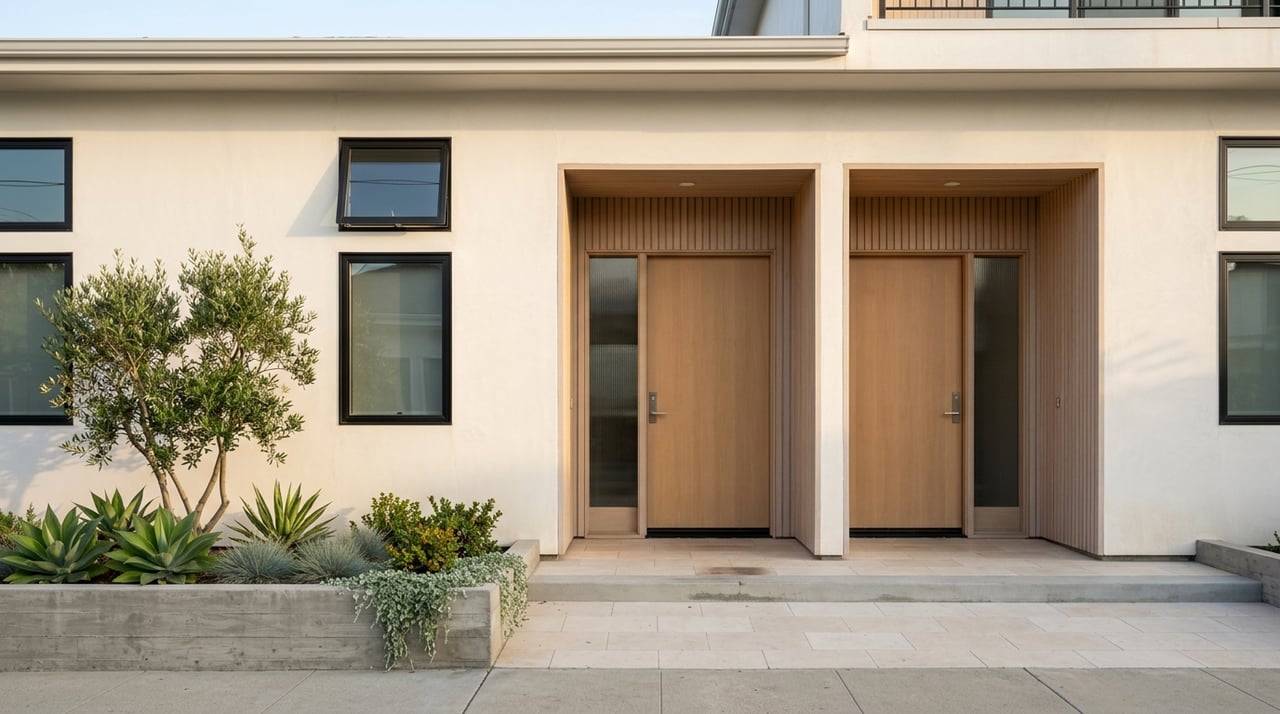
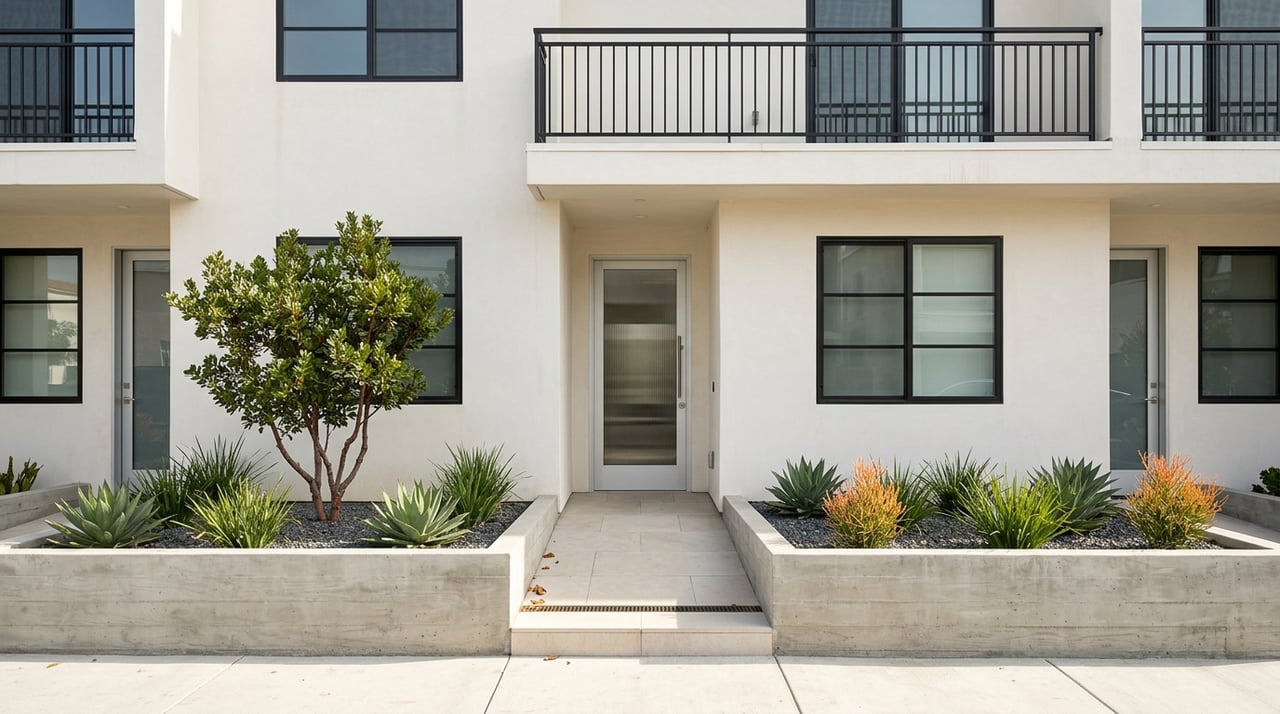
- Front exterior with landscaping and street context
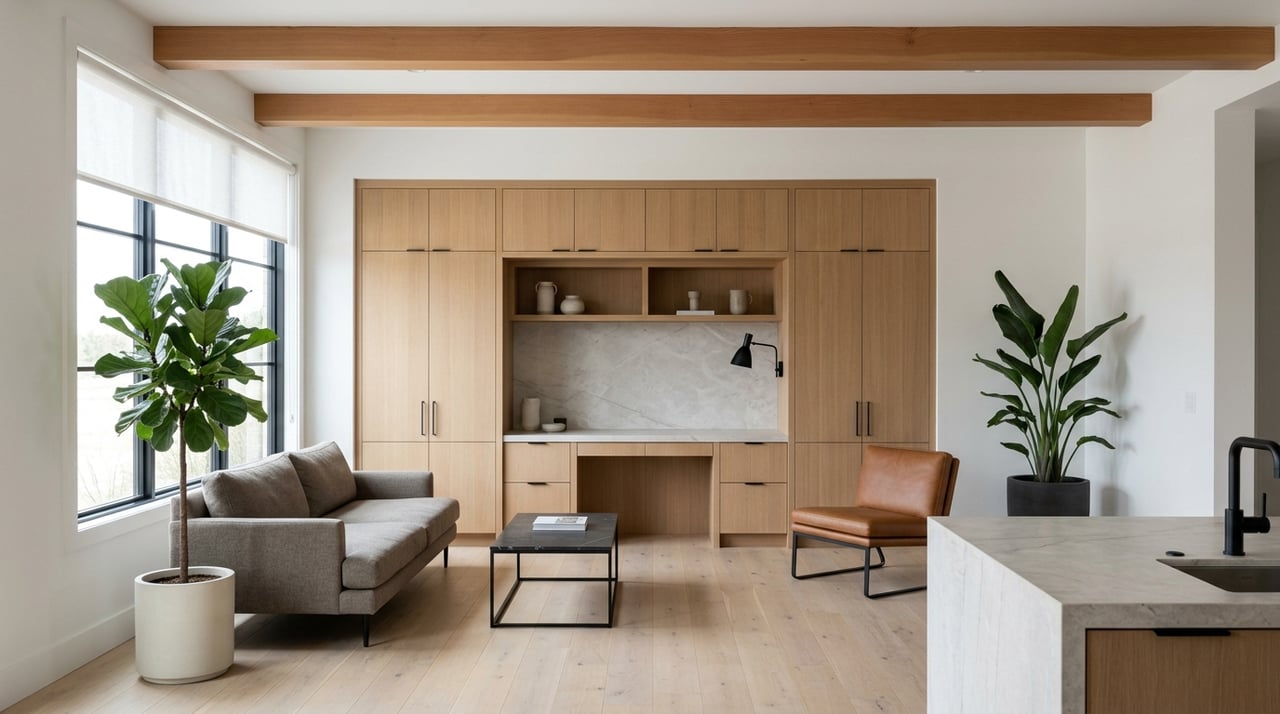
- Main living room
- Kitchen
- Primary bedroom
- Key original details and architectural moments
- Outdoor areas that show lot shape, slope, or mature trees
These choices align both with buyer behavior and with the way character homes are best experienced.
Market with clarity, not nostalgia alone
Nostalgia can attract attention, but clarity closes the gap between interest and action. Buyers are often excited by older homes, yet they also want direct answers about condition, documentation, and future possibilities.
That is especially true in an area shaped by active planning. The City notes that if a parcel sits within a Heritage Guideline Area, major new development and any new dwelling unit become discretionary uses and must follow area-specific heritage design guidelines. Because parcel-level status matters, sellers should verify this before making broad redevelopment claims.
In other words, the best marketing for a Highland Park character home combines emotional pull with factual discipline. You want buyers to feel the home’s story, but you also want them to trust every line of the listing.
Why strategy matters more today
In a market where detached homes still have demand, a well-marketed character property can stand out for all the right reasons. But standing out is not just about beautiful photos or polished copy. It is about presenting the home with accuracy, design awareness, and a strong understanding of how Highland Park’s history shapes buyer perception.
That is where a more editorial, property-specific approach can create real value. When your marketing connects architecture, documentation, neighborhood context, and visual presentation, you give buyers a fuller reason to engage and a stronger basis for confident offers.
If you are preparing to sell a character home and want a more thoughtful, design-minded strategy, RSR Real Estate offers a private consultation focused on positioning, presentation, and story-led marketing.
FAQs
What is a character home in Highland Park?
- A character home in Highland Park generally refers to an older home with retained architectural features and original form, often tied to the neighborhood’s earlier development pattern and historic streetscape.
What is the difference between a character home and a designated historic home in Calgary?
- A character home may simply be older and architecturally distinctive, while a designated Municipal Historic Resource has formal legal protection and specific approval requirements for changes to historic elements.
Do older Highland Park homes need permit records before listing?
- Yes, it is wise to verify permits and inspections for past work because the City of Calgary states that a Certificate of Compliance does not review permit history.
How should you stage a Highland Park character home for sale?
- Focus on decluttering, cleaning, curb appeal, and arranging furnishings so buyers can clearly see original details like millwork, fireplaces, windows, and room proportions.
Does heritage status affect changes to a Calgary home?
- Yes, for designated Municipal Historic Resources, demolition is not allowed and changes to historic elements such as rooflines, windows, and exterior walls may require City approval.
Why does neighborhood context matter when marketing a Highland Park home?
- Neighborhood context helps buyers understand how the home fits into Highland Park’s mature streetscape, grid layout, access to downtown, and connection to nearby parks and pathways.