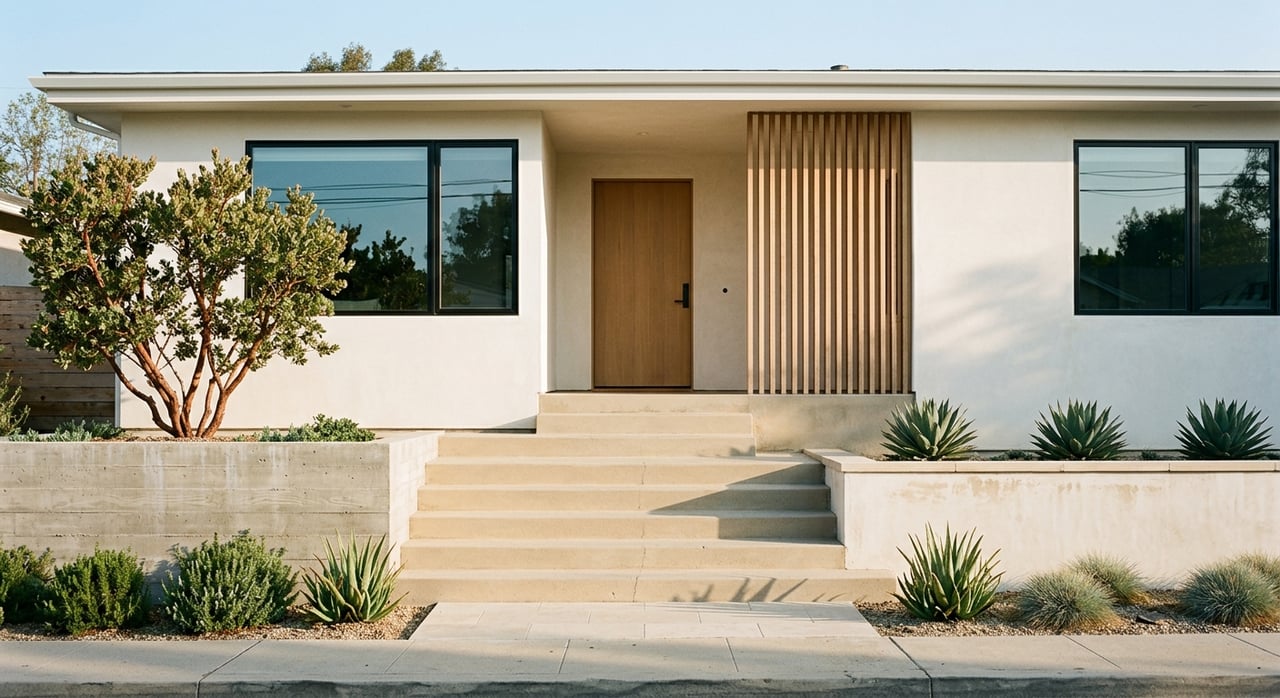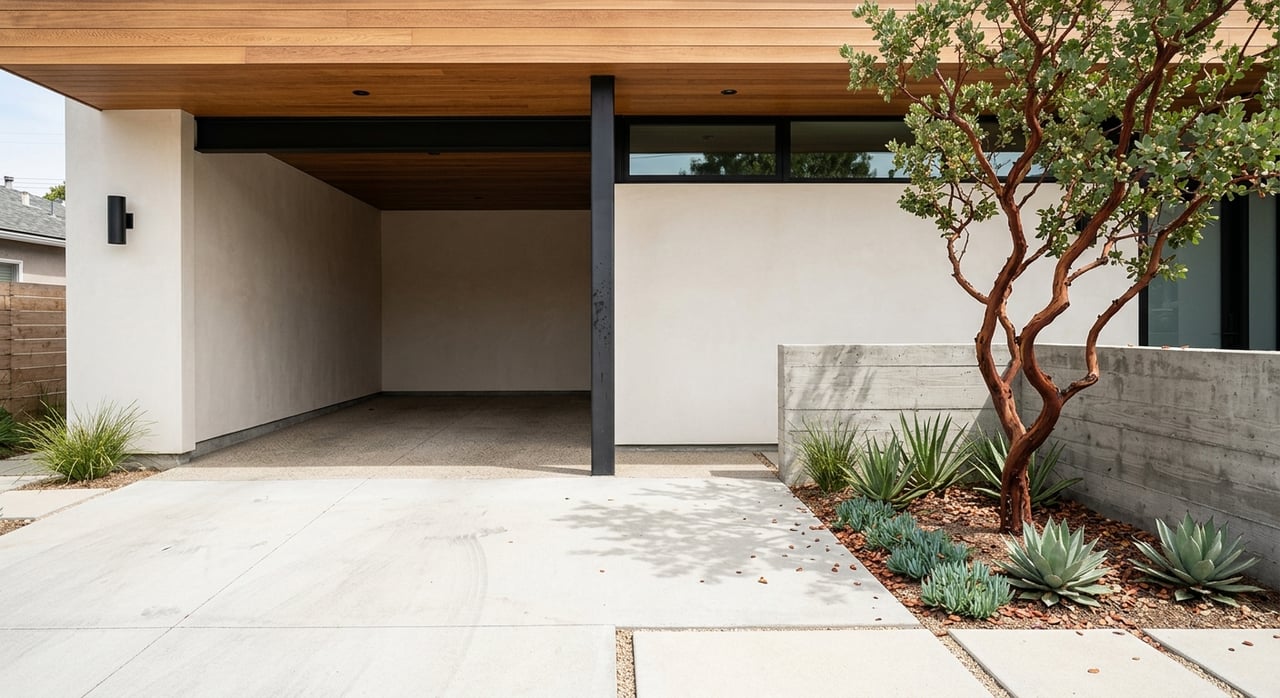
If you love places where architecture is part of daily life, Silver Lake stands out right away. Here, the hills, the reservoir, the stair streets, and the homes all work together to create a neighborhood that feels visually distinct without feeling staged. For design-minded buyers, curious locals, and anyone drawn to Los Angeles architecture, Silver Lake offers a layered story that goes far beyond a few famous houses. Let’s dive in.
Why Silver Lake Feels Design-Forward
Silver Lake’s identity starts with the land itself. According to Los Angeles city planning records, the neighborhood takes its name from the Silver Lake Reservoir, named for Herman Silver, with the reservoirs designed by William Mulholland and built in 1906 and 1907.
That reservoir history helped shape everything that followed. The completion of Glendale Boulevard in 1915 spurred development, and the Moreno Highlands tract opened in 1926, adding a major residential chapter to the area’s growth. Over time, Silver Lake became a place where architecture responded directly to steep lots, changing elevations, and prized views.
City cultural resources documentation notes that reservoir construction transformed the area into one of Los Angeles’ most desirable neighborhoods and helped create a concentration of high-style historic residences. That same record connects Silver Lake to architects such as Richard Neutra, Rudolf Schindler, Raphael Soriano, Gregory Ain, and John Lautner, giving the neighborhood a rare architectural pedigree rooted in place rather than trend.
Architecture Shaped by Hillsides
One of the most interesting things about Silver Lake is that the neighborhood does not read like a simple street grid with houses dropped onto it. The topography changes the experience. Streets bend, lots step up and down, and homes often orient toward light, privacy, and reservoir views.
City cultural resources materials also note that early tracts included public stairways because of the hillside terrain. That detail matters because it shows how Silver Lake’s design story includes not only architecture, but also urban form. The neighborhood is best understood as a built landscape where access, outlook, and density shaped the plan.
Landmark Homes Worth Knowing
For architecture lovers, Silver Lake offers a remarkably broad mix of styles in a relatively compact area. You can trace the neighborhood’s design evolution through a handful of standout properties and districts.
VDL Research House II
The VDL Research House II is one of Silver Lake’s most important architectural landmarks. The LA Conservancy describes it as an International Style building on the eastern edge of the reservoir, originally built as Richard Neutra’s home and office in 1932 and rebuilt by Richard and Dion Neutra between 1964 and 1968.
Its importance goes beyond local recognition. The National Park Service designation cited by the Conservancy identifies the Richard and Dion VDL Research House and Studio as a National Historic Landmark, reinforcing Silver Lake’s national significance in modern residential design.
Neutra Colony District
The Neutra Colony Residential Historic District adds another layer to the story. City planning documentation identifies it as a rare concentration of intact residences designed by Richard Neutra, Dion Neutra, or both, with ten architect-designed Mid-Century Modern or Late Modern homes near Silver Lake Boulevard and Earl Street.
For anyone who values provenance, this district helps explain why Silver Lake remains so compelling. It is not just that individual homes matter. It is that the neighborhood preserves a concentrated design conversation across decades.
Silvertop by John Lautner
Among Silver Lake’s best-known homes, the Reiner-Burchill Residence, also called Silvertop is hard to ignore. The LA Conservancy notes that the house, completed in 1963 on Micheltorena Street, marked John Lautner’s first major use of monolithic concrete as a sculptural component.
Its concrete roof, expansive glass, and reservoir-facing setting make it one of the neighborhood’s strongest visual statements. It also shows how Silver Lake architecture often turns challenging terrain into a design advantage.
Maltman Bungalows
Silver Lake’s architectural identity is not limited to modernism. The Maltman Bungalows offer a different chapter, with seventeen homes built in 1926 south of Sunset Boulevard.
The LA Conservancy notes original features including stucco exteriors, wood floors, built-in cabinetry, and tile details. These homes are a useful reminder that Silver Lake’s appeal comes from variety as much as from famous names.
Morris Studio and Barton Choy Residence
Experimental hillside design also has a place here. The Morris Studio is described by the LA Conservancy as A.E. Morris’s 1958 home and studio, stepping down the slope as a three-story glass box with red-painted steel beams and a red spiral staircase.
Later work continued that spirit. The Barton Choy Residence shows Silver Lake’s design story extending into the 1970s, with acute angles, steep-lot siting, and a dramatic facade that reflects a postmodern approach.
A Neighborhood of Layers, Not One Style
What makes Silver Lake especially rewarding for architecture and design lovers is its range. Based on LA Conservancy and city documentation, the neighborhood includes Revival-era housing, International Style, Mid-Century Modern, Late Modern, and Postmodern work.
That variety gives Silver Lake a lived-in richness. Instead of reading as a single-note modernist enclave, it feels like a neighborhood where different design eras continue to sit in conversation with one another.
The Reservoir as Public Design Space
The reservoir area is central to how Silver Lake looks and feels today. LA City engineering materials say the Meadow park was created in 2011 and includes about 3.4 acres of open lawn and a native plant garden, helping anchor the reservoir complex as a community gathering space.
Those same engineering materials note that the open reservoirs have been bypassed as a potable water source and are now maintained as non-potable water bodies for community benefit. In practical terms, that means the reservoir remains a defining visual feature while supporting a broader public realm that blends landscape, recreation, and neighborhood identity.
The adjacent Silver Lake Recreation Center analysis also highlights sports fields, cultural programs, picnic tables, and an indoor gym. For design-minded visitors, this matters because Silver Lake’s appeal is not only in private residences. It is also in how architecture, open space, and daily life come together.
Stairways That Define the Neighborhood
Silver Lake’s public stairways are one of its most distinctive features. The Silver Lake-Echo Park-Elysian Valley Community Plan explains that these stairs were originally built to provide pedestrian access in hillside neighborhoods and remain a unique part of the area’s character.
Two of the best-known examples are the Mattachine Steps and the Micheltorena Silver Lake Stairs, both highlighted by Discover Los Angeles. For architecture lovers, these routes reveal the neighborhood from a different angle, showing retaining walls, lot relationships, planting, views, and the practical beauty of hillside urbanism.
The Mattachine Steps also carry cultural significance. Discover Los Angeles notes that Harry Hay founded the Mattachine Society on that hillside in 1950, while city planning documentation connects Silver Lake and the surrounding area to a longer history as a refuge for LGBTQ residents and to the broader Mattachine Society and Black Cat era.
Design Culture Beyond the Houses
Silver Lake’s design identity extends into its commercial spaces. A strong current example is Sunset Row, described on its site as a curated collection of shops, cafes, restaurants, and cultural icons.
The project is especially notable for its adaptive reuse story. Sunset Row says it transformed two previously vacant buildings, including a former auto body shop, into retail and restaurant space with a 6,500-square-foot courtyard, restored Art Deco details, and expansive bow truss ceilings.
That approach says a lot about where Silver Lake design culture is today. The emphasis is not on flashy scale. It is on edited environments, reuse, walkability, and spaces that feel both considered and social.
Cafes and Retail with a Curated Feel
Design-minded neighborhoods often express themselves through everyday places, and Silver Lake does that well. Intelligentsia’s Silver Lake Coffeebar on West Sunset Boulevard includes a patio and outdoor space, which fits the area’s preference for indoor-outdoor gathering.
Dayglow’s Silverlake location also reflects the neighborhood’s taste for curation. According to the brand’s own story in the research, Silver Lake was the right landing spot for its first cafe because of its focus on curation rather than simply selling coffee.
For retail, Silverlake Wine offers another useful example, describing its Glendale Boulevard shop as a source for organic, biodynamic, and natural wine with local delivery. Taken together, these businesses reinforce the idea that Silver Lake’s design culture lives in the details of daily routines, not only in landmark architecture.
Why Silver Lake Appeals to Design-Minded Buyers
If you are drawn to homes with provenance, visual clarity, and a stronger relationship to site, Silver Lake offers a rare combination. You will find architectural history, a recognizable public realm, and a neighborhood layout shaped by topography rather than repetition.
Just as important, Silver Lake still feels lived in. Its appeal comes from the way historic homes, stair streets, reservoir paths, adaptive reuse, and neighborhood retail all support one another. For buyers who see a home as more than square footage, that mix can feel especially compelling.
When you are exploring architecturally significant or design-forward homes in Los Angeles, context matters as much as the property itself. If you want thoughtful guidance on neighborhoods like Silver Lake and a more curated approach to buying or selling, RSR Real Estate can help you navigate the market with a design-informed perspective.
FAQs
What makes Silver Lake appealing for architecture lovers?
- Silver Lake combines hillside planning, reservoir views, public stairways, and a wide range of notable homes, from Revival-era residences to International Style, Mid-Century Modern, Late Modern, and Postmodern examples.
Which famous architectural homes are in Silver Lake?
- Notable examples include the VDL Research House II by Richard Neutra, the Neutra Colony Residential Historic District, Silvertop by John Lautner, the Maltman Bungalows, the Morris Studio, and the Barton Choy Residence.
Why are stairways important in Silver Lake?
- Silver Lake’s stairways were built to provide pedestrian access in hillside areas, and they remain a defining part of the neighborhood’s character and urban design.
What is the role of the Silver Lake Reservoir in the neighborhood?
- The reservoir helps define Silver Lake’s visual identity, while the surrounding Meadow and nearby recreation spaces contribute to the area’s public landscape and community use.
Where can you experience Silver Lake’s current design culture?
- You can see it in adaptive reuse projects like Sunset Row, as well as in curated neighborhood businesses such as Intelligentsia’s Silver Lake Coffeebar and Silverlake Wine.