If you are listing a Los Feliz estate, you face a real tension: you want attention from the right buyers, but you do not want your home overexposed. In a neighborhood known for architectural significance and design pedigree, a public splash without a plan can work against the very qualities that make your property valuable. The good news is that you can build momentum with discretion, as long as your strategy follows the rules and fits the home. Let’s dive in.
Why Los Feliz Requires a Different Approach
Los Feliz is not a one-note luxury market. It is a place where architecture, provenance, and setting often shape buyer interest just as much as square footage or finishes.
That context matters when you prepare a listing. The LA Conservancy’s overview of Hollyhock House highlights the neighborhood’s connection to landmark residential architecture, including properties with private or do-not-disturb considerations. For sellers, that means marketing should do more than generate clicks. It should protect privacy while telling a credible story about the home.
Market conditions also support a thoughtful launch. Redfin’s Los Feliz housing market data reported a March 2026 median sale price of $2.225 million, while the research provided also notes Realtor.com’s February 2026 snapshot showing 87 homes for sale, a median asking price of $2.35 million, a 99% sale-to-list ratio, and a 47-day median time on market. At this level, pricing, condition, and launch timing still matter.
Define Privacy Before You List
Privacy can mean different things to different sellers. For one owner, it means limiting the number of people who walk through the home. For another, it means controlling photography, timing, and how much is shared publicly at each stage.
A strong plan starts by deciding what you want to protect. That may include the home’s interiors, your schedule, personal items, or the exact pace of the rollout. Once those goals are clear, your agent can match them to the right listing path and required paperwork.
Use a Controlled Launch Sequence
A discreet Los Feliz launch often works best in phases rather than as one large public reveal. That gives you time to prepare the home, refine the story, and build anticipation without moving too fast.
According to CRMLS Clear Cooperation guidance, a property may be placed in Coming Soon status for up to 21 days. During that period, agents can stage, photograph, and prepare the listing, but no showings or open houses may take place while it remains in Coming Soon.
CRMLS also states that if a property is marketed to the public before it is entered as Coming Soon, it must be entered as Coming Soon or Active within one business day. The National Association of Realtors Clear Cooperation Policy similarly requires public marketing to be followed by MLS submission within one business day, and NAR’s 2025 update created multiple listing options for sellers, including delayed marketing exempt listings and office-exclusive choices with signed seller disclosure.
The takeaway is simple: privacy is possible, but it is not informal. It has to be planned and documented correctly.
What a phased launch can do
A controlled sequence can help you:
- Prepare the home before broad exposure
- Align photography, copy, and pricing
- Create interest without rushing showings
- Reduce unnecessary traffic through the property
- Keep the process consistent with MLS and brokerage rules
Create Buzz Without Overexposing the Home
Buzz does not have to mean broadcasting every room. In Los Feliz, a more restrained strategy can actually strengthen the listing by focusing attention on what makes the property distinctive.
For architecturally notable homes, the strongest early marketing often leans on design narrative, setting, and provenance. The neighborhood’s architectural legacy, reflected in resources like the LA Conservancy’s Los Feliz landmark coverage, supports a story-first approach that feels more editorial and less revealing.
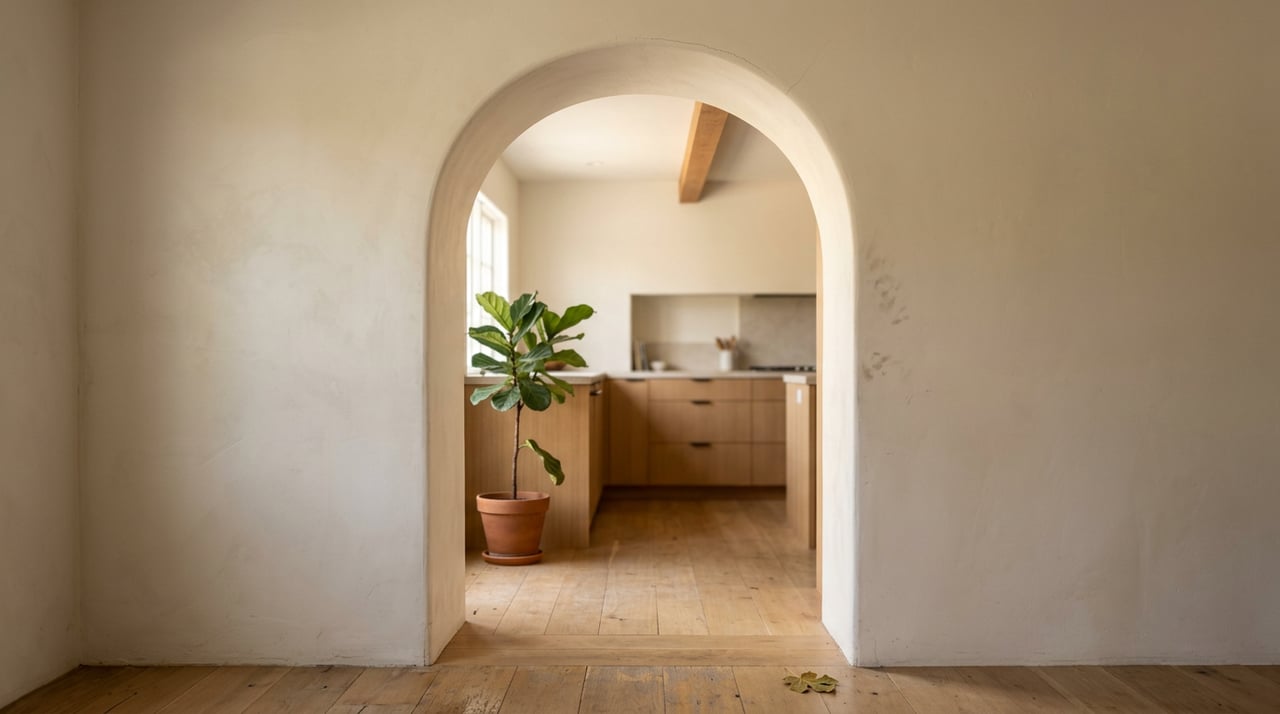
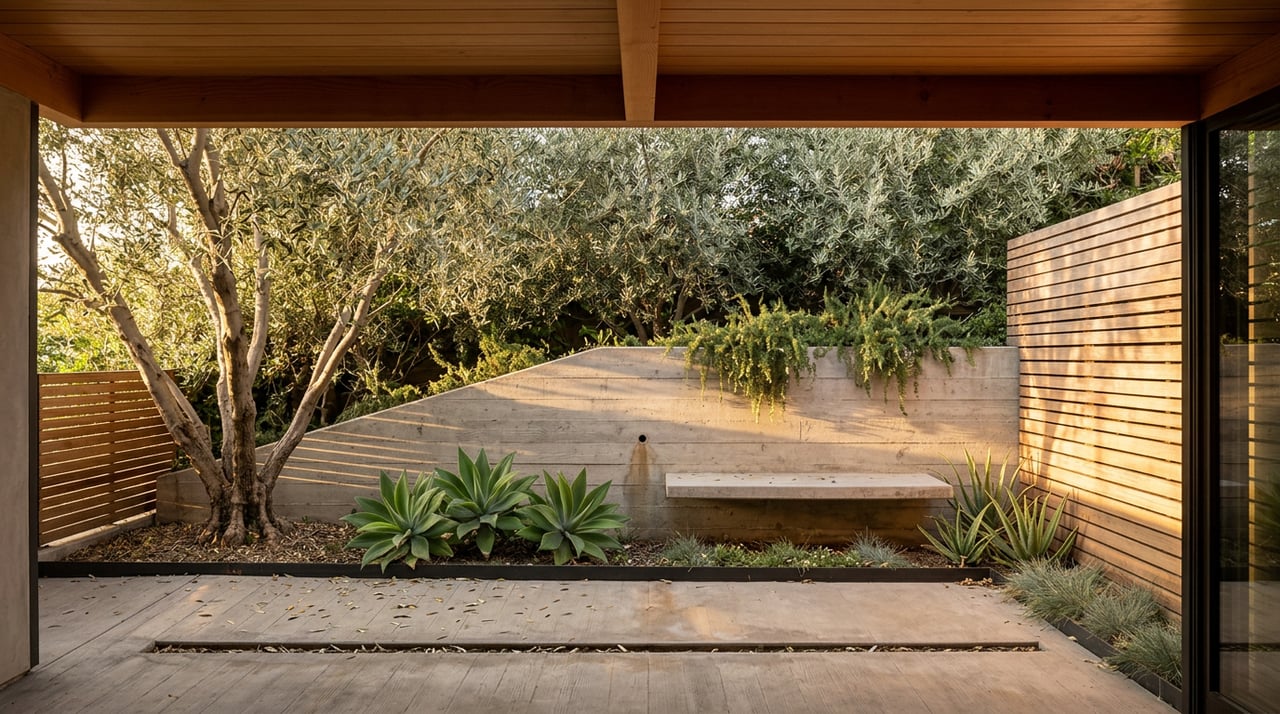
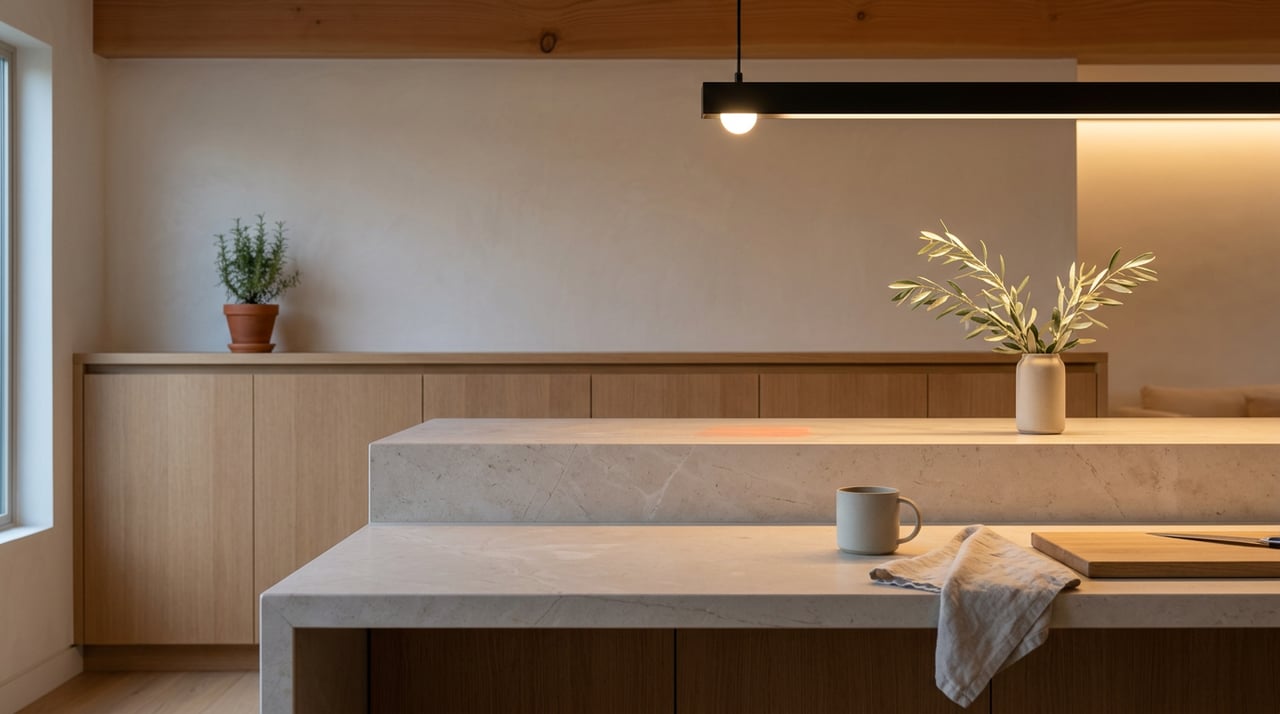
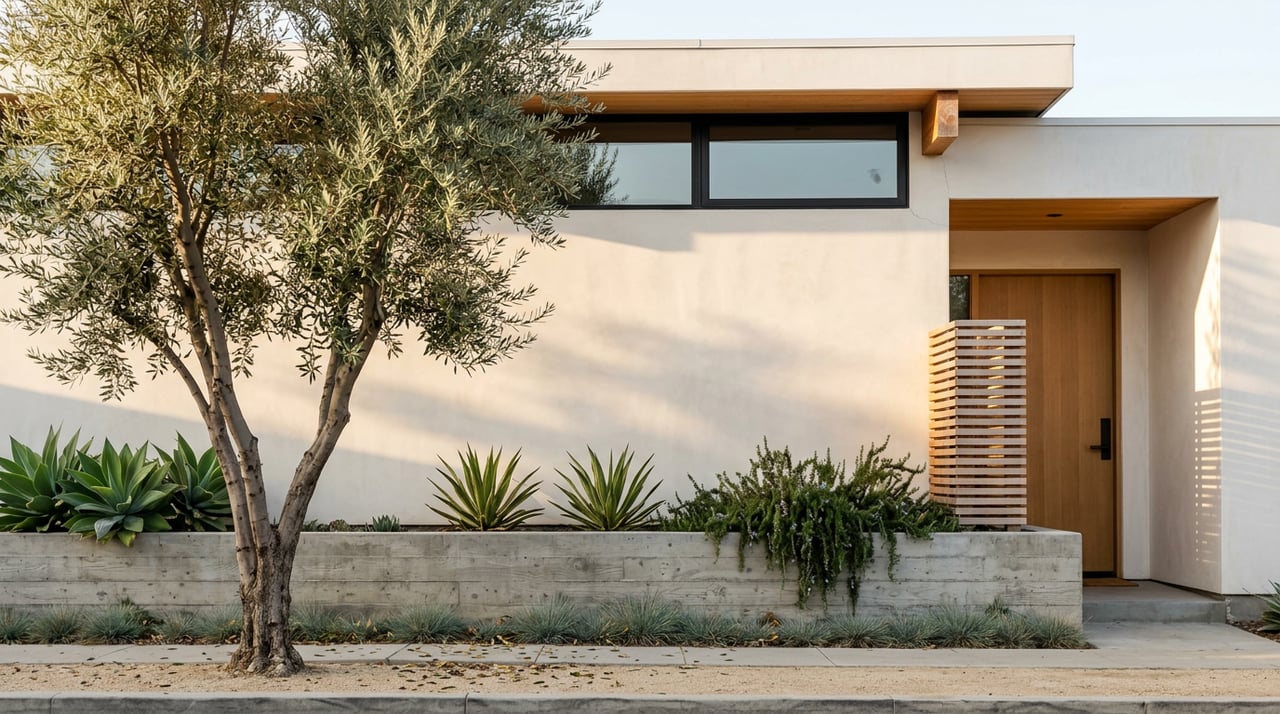
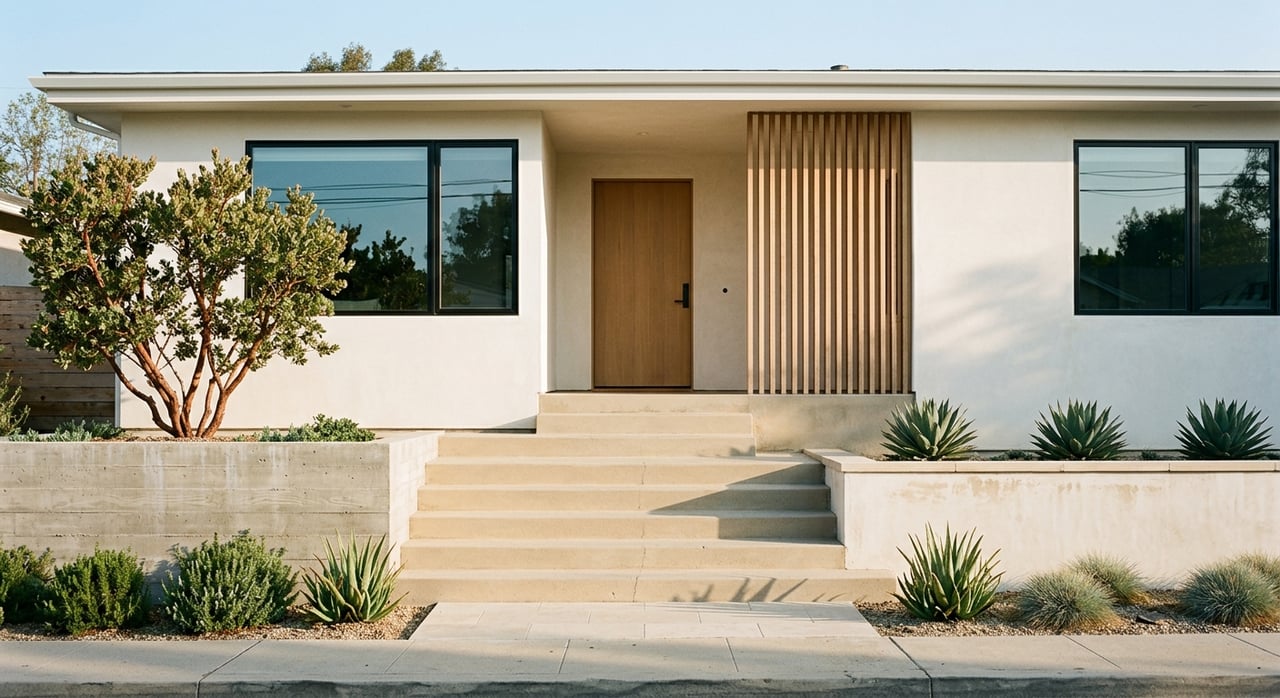
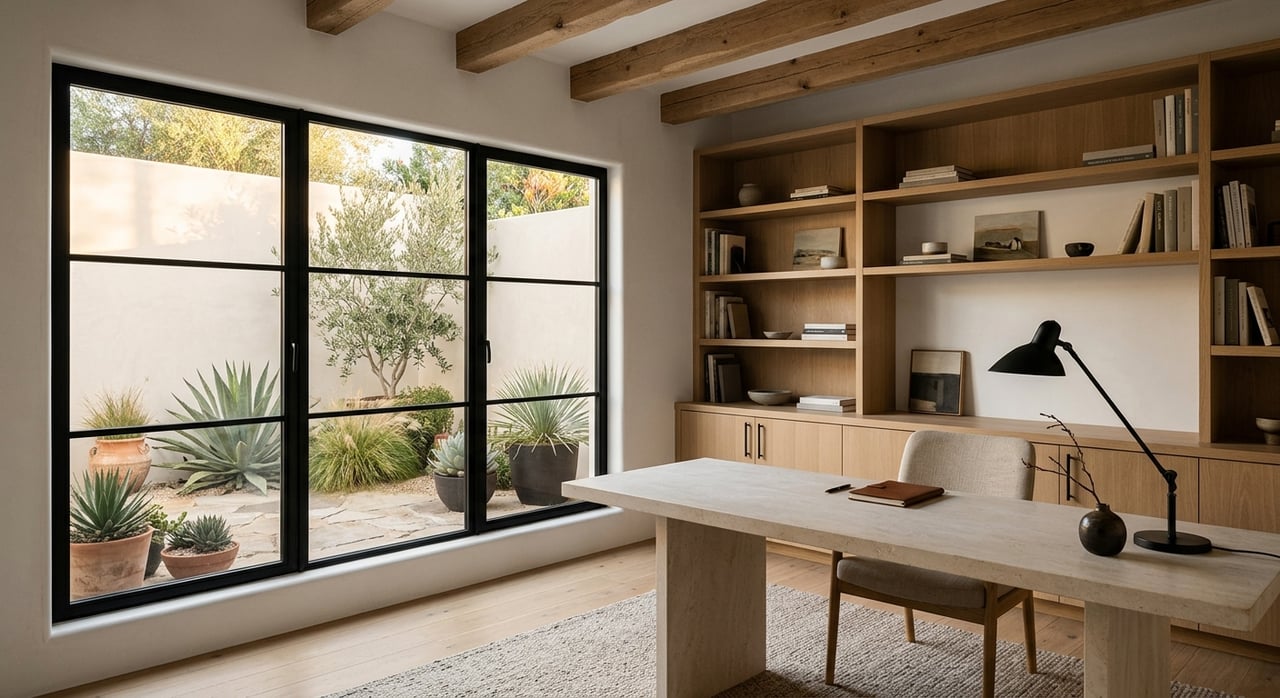
That might mean emphasizing the exterior approach, landscape, historic context, volume, light, or a few carefully chosen details rather than publishing a full visual inventory. The goal is to attract qualified interest, not satisfy casual curiosity.
Smart ways to build interest
A privacy-minded campaign may focus on:
- Architectural features that define the home
- A concise story about provenance or design context
- Accurate, selective imagery
- Targeted buyer outreach
- A showing strategy based on qualification and timing
This approach can create intrigue while preserving control.
Know the Rules for Photos and Media
Luxury marketing still has compliance boundaries. That is especially important when you want a listing to feel polished but not overproduced.
CRMLS requires an exterior photo showing a substantial portion of the home for Coming Soon listings, according to its current policy guidance. That means even a restrained pre-market presentation must include a meaningful exterior image.
California also added a new standard for image accuracy. Under AB 723, effective January 1, 2026, significantly altered images must be accompanied by the original, unaltered images and a disclosure identifying the altered versions. For sellers, that supports a simple rule: polished is fine, but accuracy matters.
What discreet imagery should do
Your media should:
- Reflect the home truthfully
- Highlight design and setting
- Avoid unnecessary overexposure of private spaces
- Stay consistent with listing status rules
- Support the broader pricing and launch strategy
In a neighborhood like Los Feliz, understatement can be more powerful than excess.
Disclosures Still Apply in a Quiet Sale
A private or limited launch does not remove disclosure obligations. If anything, sellers benefit from treating compliance as part of the home’s professional presentation.
The California Department of Real Estate’s consumer guidance explains that seller disclosures address the physical condition of the property and known hazards or defects, while the buyer’s agent has a duty to conduct a visual inspection and disclose readily observable defects. California’s Transfer Disclosure Statement requirements generally call for completed disclosures before transfer of title and, in some transactions, before contract execution.
Natural hazard disclosures also remain important. The California Geological Survey states that sellers must disclose when an earthquake fault zone affects a property, and the research provided notes that the Natural Hazards Disclosure now identifies whether a property is in a high fire hazard severity zone and whether it falls in a state or local responsibility area.
For many older homes, federal lead-based paint rules may also apply. The EPA’s real estate disclosure guidance requires sellers, landlords, real estate agents, and property managers to provide known lead information and a lead pamphlet before most pre-1978 transactions.
Common disclosure categories to review
Depending on the property, your preparation may include:
- Transfer Disclosure Statement materials
- Natural Hazards Disclosure documents
- Lead-based paint disclosures for many pre-1978 homes
- Property-specific condition disclosures
- Any additional forms required by the transaction structure
Privacy should never be framed as secrecy. It is better understood as process control within the rules.
Why Process Control Matters More Than Secrecy
Some sellers assume a quieter launch reduces risk. It does not. The legal and compliance burden remains, whether the sale is broadly marketed or tightly managed.
The DRE’s 2025 update booklet notes that disclosure rules change over time and that its materials are not legal advice. That is why sellers should involve an experienced agent and legal counsel before deciding between Coming Soon, office exclusive, delayed marketing, or a full public launch.
The real value of a privacy-forward strategy is not avoiding obligations. It is controlling the order of operations so the home is presented well, the right buyers are reached, and the seller stays informed at every step.
What Sellers Should Prioritize Before Launch
Before your estate goes live, focus on the parts of the plan that influence both privacy and performance.
Align the story and timing
Your narrative, visuals, price, and listing status should all support the same strategy. If the home is architecturally notable, the marketing should reflect that without revealing every detail too early.
Prepare for accurate presentation
Selective imagery only works when the home is ready. Staging, editing, photography, and compliance review should happen in the right order so the public rollout feels intentional.
Match exposure to the home
Some estates benefit from broad visibility right away. Others are better served by a more curated introduction, especially when privacy, provenance, or design significance are central to value.
Why RSR’s Approach Fits Los Feliz Estates
In Los Feliz, presentation is not separate from value. Buyers at this level often respond to architecture, editorial clarity, and the feeling that a home has been represented with care.
That is where a design-forward, white-glove process matters. From curated storytelling and selective imagery to disciplined rollout and transaction management, the goal is to protect your privacy while giving the property the narrative weight it deserves.
If you are considering how to position a Los Feliz estate with both discretion and impact, RSR Real Estate can help you shape a launch that respects the home, the rules, and your priorities.
FAQs
How private can a Los Feliz estate listing be?
- A Los Feliz estate listing can be handled with varying levels of privacy, but options like Coming Soon, office-exclusive, or delayed marketing must follow CRMLS, NAR, and brokerage rules, including required seller disclosures.
Can a Los Feliz seller create buzz without public open houses?
- Yes, a Los Feliz seller can create buzz through a controlled rollout, selective imagery, architecture-led storytelling, and targeted buyer outreach, as long as the plan matches the listing’s current status.
What does CRMLS Coming Soon allow for a Los Feliz listing?
- CRMLS Coming Soon allows up to 21 days for staging, photography, and pre-market preparation, but no showings or open houses may occur while the listing remains in that status.
Do California disclosures still apply in a discreet estate sale?
- Yes, California disclosure requirements still apply in a discreet estate sale, including property condition disclosures, natural hazard disclosures, and, for many pre-1978 homes, lead-based paint disclosures.
Should a Los Feliz seller choose office exclusive or public launch?
- A Los Feliz seller should choose between office exclusive and public launch based on privacy goals, property type, buyer strategy, and compliance requirements, ideally with guidance from an experienced agent and legal counsel.