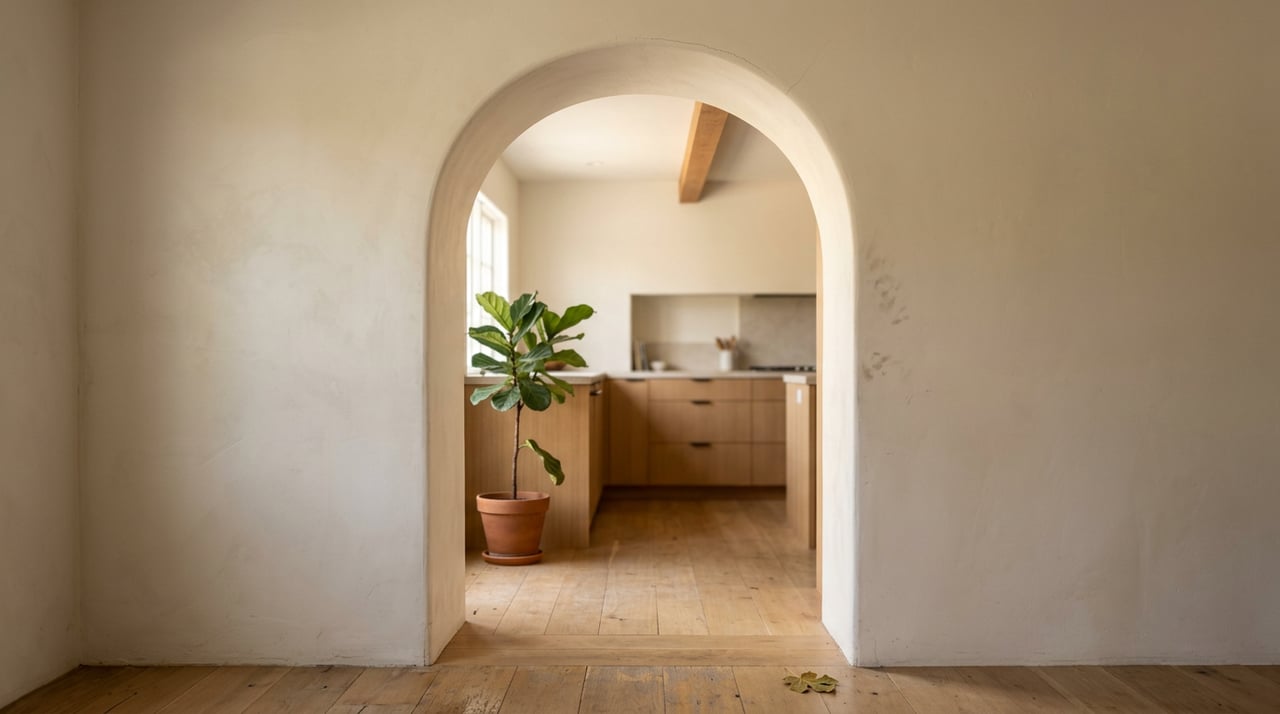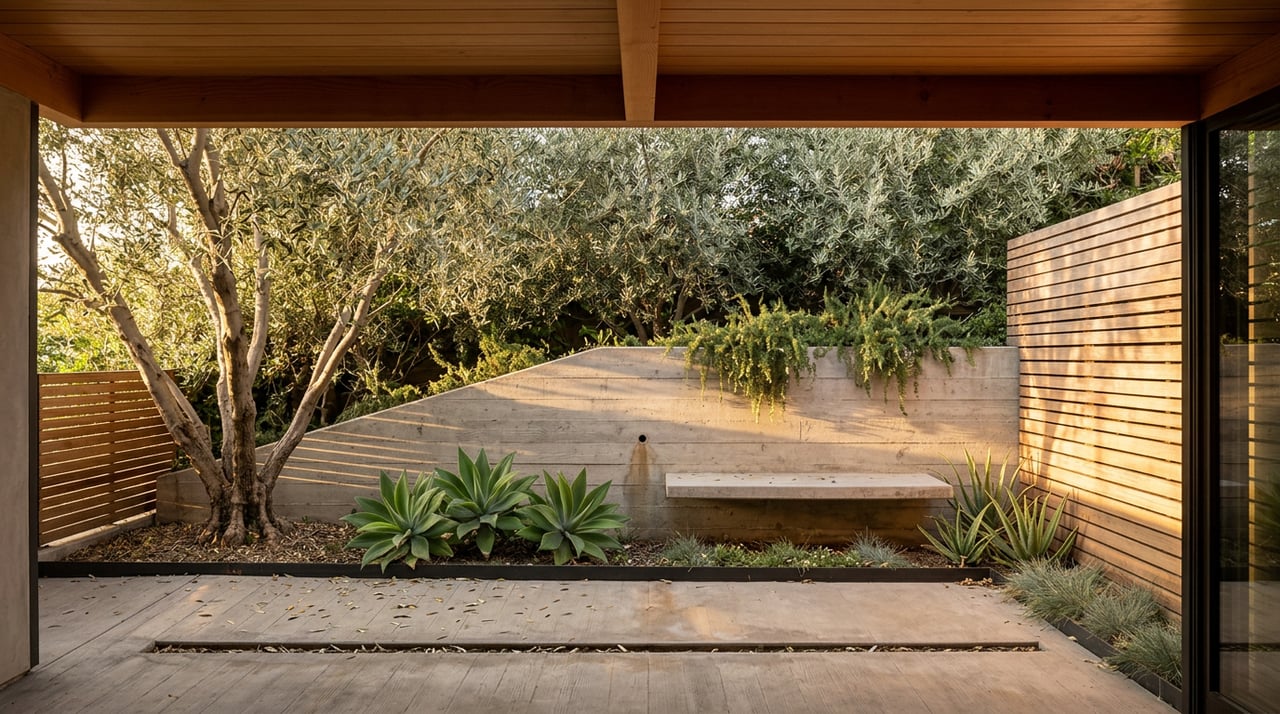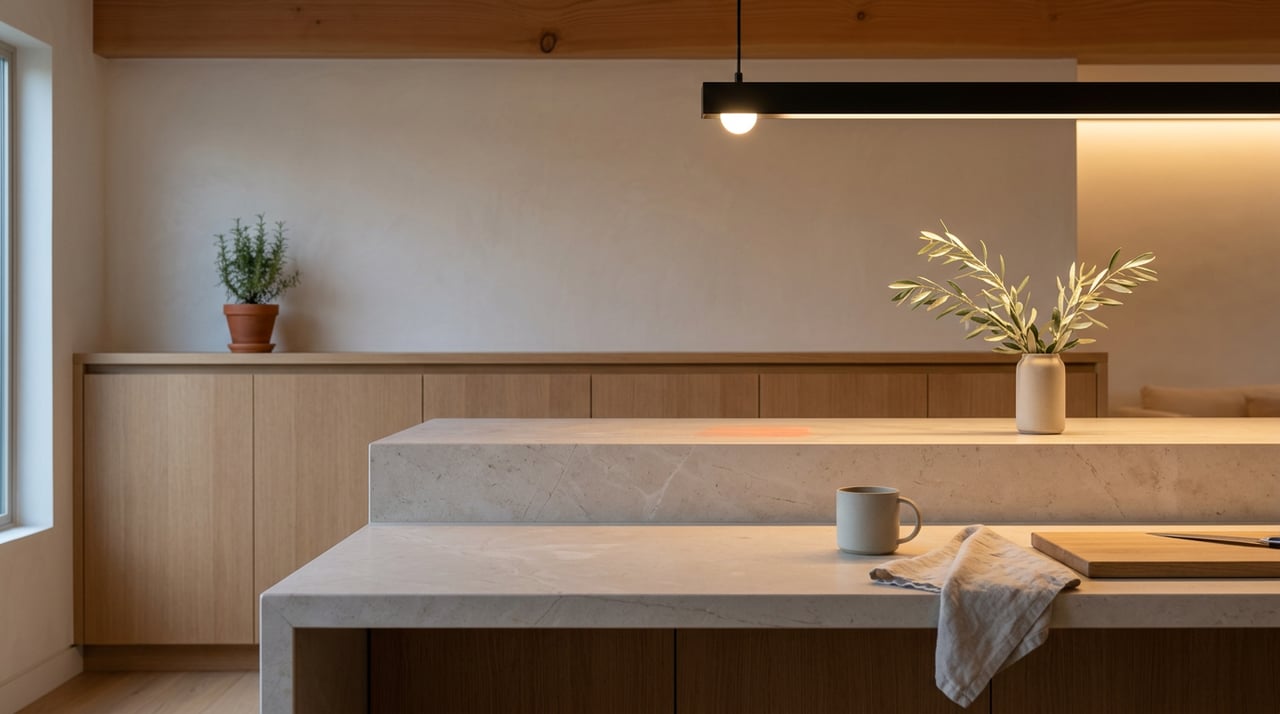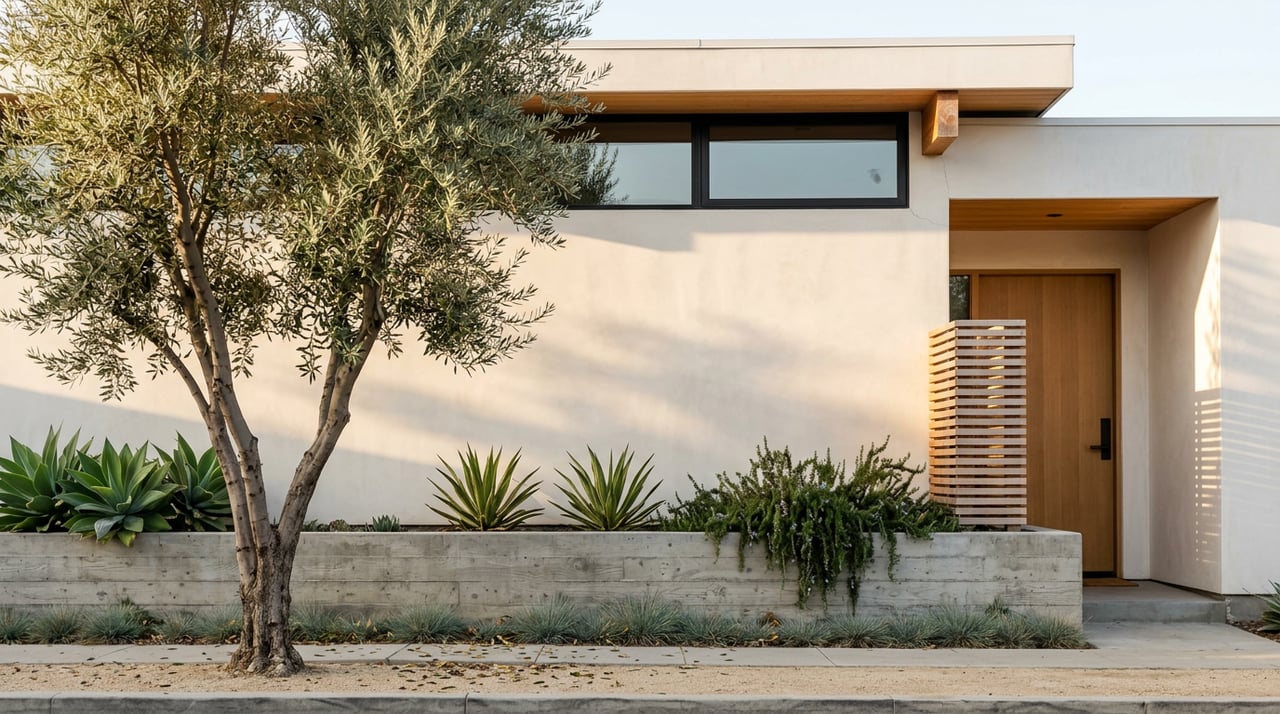
If you’re a creative, you probably measure a neighborhood by more than listings and square footage. You look for light, texture, quiet, and the kind of third places where ideas unfold. Highland Park in Division No. 6, Alberta offers an easy pace, streets with character, and everyday spots that can support your practice without a long commute. In this guide, you’ll get a clear sense of the daily rhythm, workspaces, community touchpoints, and practical tips to help you thrive here. Let’s dive in.
Highland Park at a glance for creatives
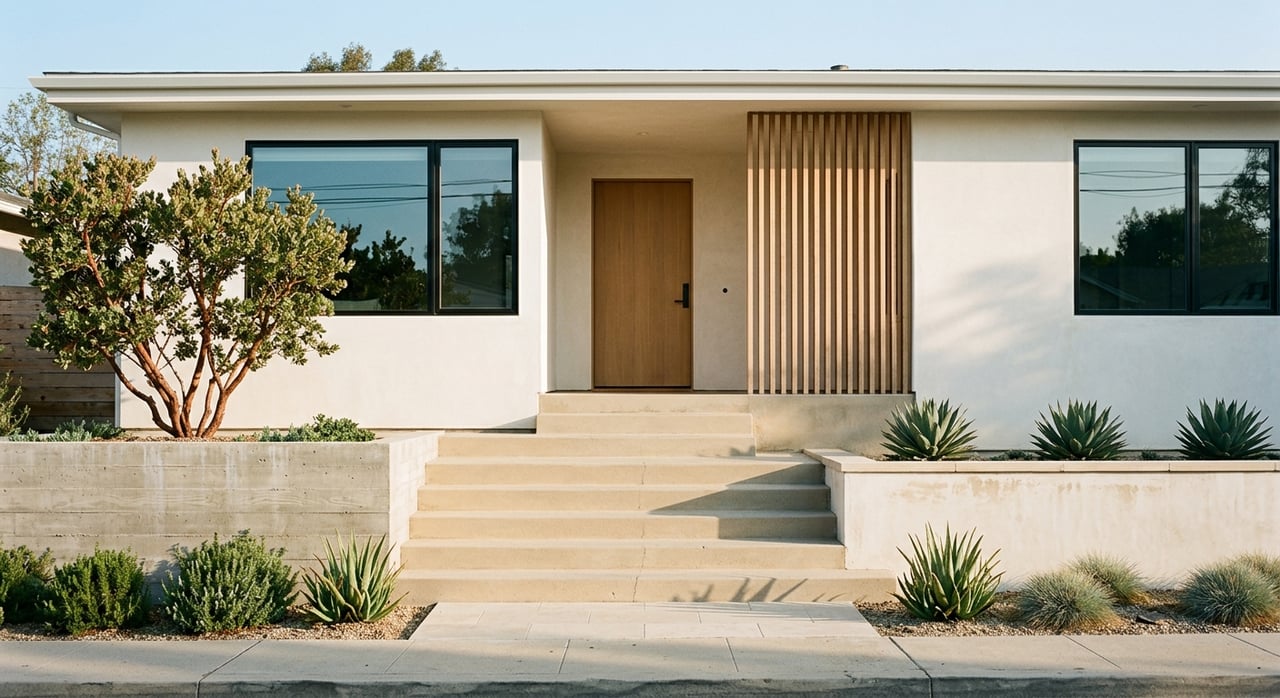
Highland Park is primarily residential, with leafy streets and small commercial pockets that feel approachable. The scale is human, which makes it comfortable to walk for coffee, step out for a reset, and return to focused work. You’ll find a mix of older homes and multi-unit buildings, so there are options for the spare room studio, the garage workshop, or a compact set-up. Nearby commercial corridors connect you to more active scenes when you want openings, pop-ups, or late-day energy.
Daily rhythm and neighborhood feel
Mornings are calm. You can grab a quiet corner table for sketching or client emails before the lunch rush. Afternoons often settle into studio hours at home or a shared space, with quick breaks to stretch your legs on tree-lined blocks. Evenings bring low-key community events, maker meetups, or a short ride to adjacent districts for gallery nights. The soundscape stays gentle most days, with birds, kids at local parks, and distant traffic rather than constant noise.
Working here: studios and set-ups
Highland Park lends itself to flexible work lives. Many residents keep a compact home studio and then layer in shared resources when they need them.
Home-as-studio basics
- Use a spare bedroom, basement, or garage for a light-duty studio that suits digital work, illustration, small-scale sculpture, or product prep.
- Confirm municipal home-based business rules, noise bylaws, and any landlord or condo restrictions before you invest in build-outs or signage.
- Think through ventilation, floor protection, and power needs. Simple upgrades like task lighting and rolling storage can change how well a room performs.
Shared studios and maker options
- Look for membership-based studios, maker spaces, or short-term benches in nearby neighborhoods if you need tools, kilns, or large tables.
- Ask about lease models. Some spaces offer monthly memberships, others have hourly or day rates. Waitlists can shift, so check current availability.
- If a commercial lease feels oversized, consider a garage or small workshop rental. Many creatives here mix home production with occasional access to shared equipment.
Third places: cafés, libraries, and laptop-friendly corners
Your second workspace might be a steady café or a quiet library table. Highland Park and its surrounding districts offer comfortable nooks with natural light and a mellow vibe. Policies vary, so always check expectations for laptop use and table times. Libraries can be a great fallback for deep focus, and many have meeting rooms you can book for client calls or small critiques.
Showing and selling your work
You’ll find opportunities to share your work across a range of formats rather than one obvious venue. That’s often a plus for emerging artists and designers.
- Watch for cafés and small shops that rotate local art on their walls. Ask about submission windows and display guidelines.
- Keep an eye on community hall pop-ups, holiday markets, and seasonal craft fairs. Tables can be affordable and draw real buyers.
- Explore nearby artist-run centres and galleries in adjacent districts for juried shows or open calls. Check submission policies and lead times.
- Retail consignment can work for smaller goods like prints, ceramics, and textiles. Clarify commission splits and payment schedules before you place inventory.
Community connections that matter
Community helps you stay motivated between deadlines. In Highland Park, you can plug in at your own pace.
- The community association is a central hub for event calendars, bulletin boards, volunteer projects, and rental details for the community hall.
- City-wide arts agencies and provincial arts organizations provide grant listings, workshops, and calls for artists. They also publish resources that can guide your next step.
- Social media groups and neighborhood forums are useful for finding pop-ups, studio shares, and quick-turn collaborations. They are also a good pulse check on what local audiences respond to.
Inspiration on your doorstep
If you work by observation, you’ll appreciate the small moments here. Street trees throw patterned light across sidewalks that make great sketch studies. Mature homes show a mix of materials, trims, and porches that translate into linework, textures, or palettes. Parks and pathways nearby give you open views for clearing your head, plus the occasional mural or temporary installation to spark a color story. Even industrial edges at the fringe can be a study in geometry and patina.
Getting around without the grind
Creative work flows better when you cut commute time. Highland Park’s residential grid and proximity to transit routes make it simple to move from home to coffee to studio to evening events. Bike-friendly streets help you carry a sketchbook or a small portfolio without stress. If you drive for client work or load-ins, you can usually find practical street parking or plan for quick drop-offs at nearby venues.
Practicalities: permits, noise, and storage
Before you move a printer, kiln, or amps, sketch your operational needs. Then check the rules.
- Home-based business: Review the city’s guidelines on permitted activities, signage, and client visits. This keeps you compliant and neighbor-friendly.
- Noise and hours: Know the bylaws on quiet times and acceptable sound levels. If you produce audio, consider extra sound treatment.
- Materials: Store solvents, inks, and finishes safely. A ventilated cabinet, sealed containers, and clear labeling go a long way.
- Deliveries and loading: If your work involves frequent shipments, confirm carrier access and a safe area for packages.
Housing types that suit creative work
Different homes unlock different workflows. As you tour options, map your practice against the bones of each space.
- Bungalows and older single-family homes often offer a basement or garage and good separation between living and working.
- Multi-unit buildings can work well for digital creatives who need quiet, light, and reliable internet more than heavy equipment.
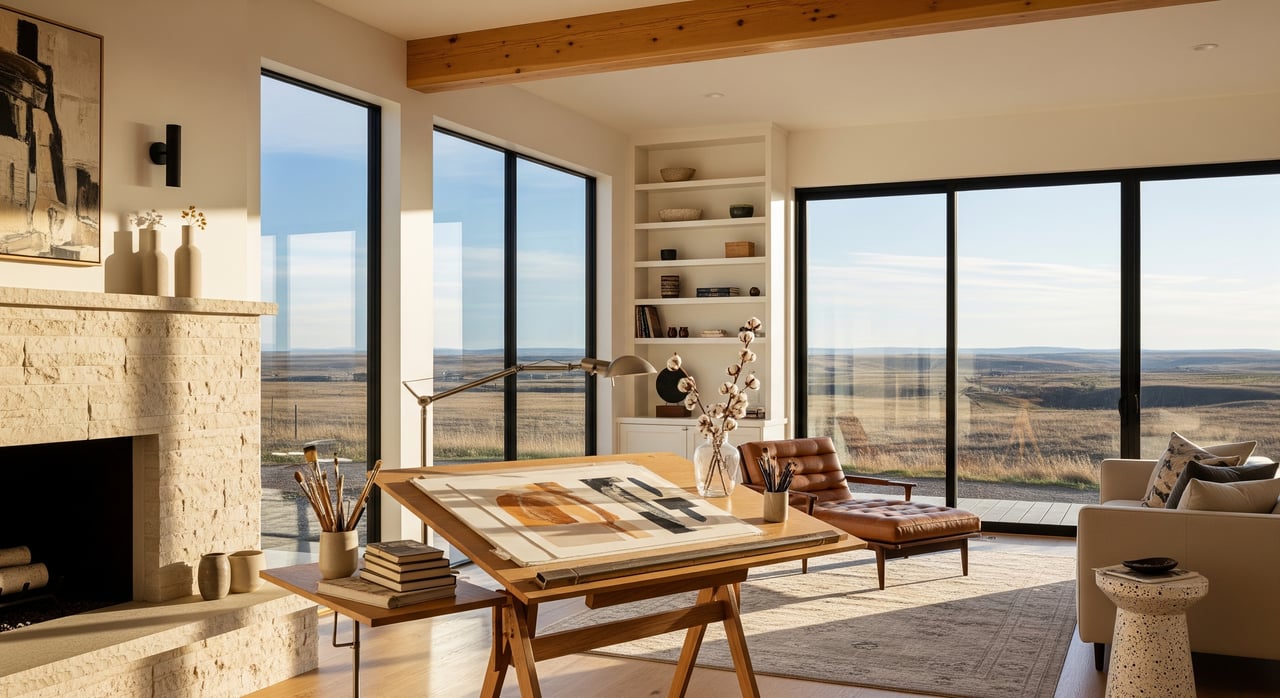
- Corner lots and suites with extra windows can deliver better daylight for painting or product styling.
- If you need messy space, look for easy-to-clean flooring, a utility sink, and an area where you can isolate dust or fumes.
A quick viewing checklist for creatives
- Light: Where does natural light fall during work hours? Any glare issues?
- Power and data: Enough outlets and bandwidth for your tools and uploads?
- Floors and walls: Can surfaces handle your medium without costly fixes?
- Storage: Room for flat files, racks, bins, and shipping supplies?
- Access: Can you move canvases, equipment, or inventory without hassle?
- Neighbors: Will your routine be respectful within the building and block?
A day in the life: an easy creative cadence
Imagine a weekday that supports, rather than fights, your process. You walk to a calm café for a warm-up sketch and email sweep. By late morning, you’re at your home bench, cutting patterns or refining edits. After lunch, you head to a shared studio in a nearby district to use specialized tools for a few hours. At dusk, you join a low-key opening or market preview, talk shop with other makers, and head home with two leads and a pocket notebook full of notes. Nothing felt rushed, and you stayed close to home the entire day.
Finding your people and your platform
You build a career one conversation at a time. Start with the community association calendar and local bulletin boards to find recurring events. Add artist-run centres and city arts agencies to your radar for open calls, small grants, and professional development. Ask your favorite cafés and shops how they source work for their walls or displays. Finally, track the pop-up circuit and seasonal markets so you can plan production and applications well ahead.
Budgeting time and money wisely
Space and gear are only part of the equation. Protect your practice with a simple plan.
- Mix free and paid workspaces. Use home for day-to-day tasks, then rent specialized tools only when needed.
- Batch your errands. Combine coffee, supplies, and delivery runs on one route to regain studio hours.
- Share resources. Split bulk materials with another maker, or swap skills to reduce cash outlay.
- Price for profit. Factor in materials, studio time, travel, and market fees so your margins are healthy.
Safety and peace of mind
Keep your setup calm and compliant so you can focus.
- Document your gear for insurance, and ask about coverage for home-based work.
- Improve basic security with good lighting, locks, and discreet storage.
- Keep extension cords to a minimum and maintain clear paths around equipment.
- Learn the rules for signage and client visits if you plan to host viewings at home.
If you’re relocating as a creative
Moving your life and your studio takes coordination. Start by outlining your must-haves: daylight, quiet, storage, access to transit or parking. Identify the tools you use weekly and the ones you can rent on demand. Then map your likely weekly loop: home, third place, shared studio, and market or gallery nodes you want to frequent. A clear loop makes it easier to choose the right street and floor plan.
If you want a tailored plan that lines up with your creative practice and your privacy needs, connect with our team. We understand design-driven buyers and the workflows of working artists and producers, and we can help you structure a move that supports both life and work.
Ready to explore your next chapter with intention? Reach out to RSR Real Estate to request a Private Consultation.
FAQs
Is Highland Park a good place for artists and designers?
- Yes. Its residential scale, everyday calm, and access to nearby creative nodes make it a practical base for focused work and easy collaboration.
Where can I find studio space near Highland Park?
- Look for shared studios, maker spaces, and artist-run centres in adjacent districts, and check current availability, lease models, and waitlists.
Can I run a small creative business from home in Highland Park?
- Often yes, but you should confirm home-based business rules, noise bylaws, signage limits, and any landlord or condo restrictions before starting.
How do creatives sell their work locally in Highland Park?
- Combine café walls, community hall pop-ups, seasonal markets, and nearby galleries or artist-run centres, following each venue’s submission policies.
Is Highland Park walkable and connected by transit for creatives?
- The neighborhood’s residential grid and proximity to transit routes make it simple to move between home, third places, and adjacent arts districts.
What home features are best for a studio in Highland Park?
- Seek good daylight, durable floors, adequate power, storage, and easy access for moving canvases, equipment, or inventory.
How can RSR Real Estate help with a move to Highland Park?
- RSR offers design-forward guidance and relocation support to help you choose a home and routine that fit your creative practice and privacy needs.