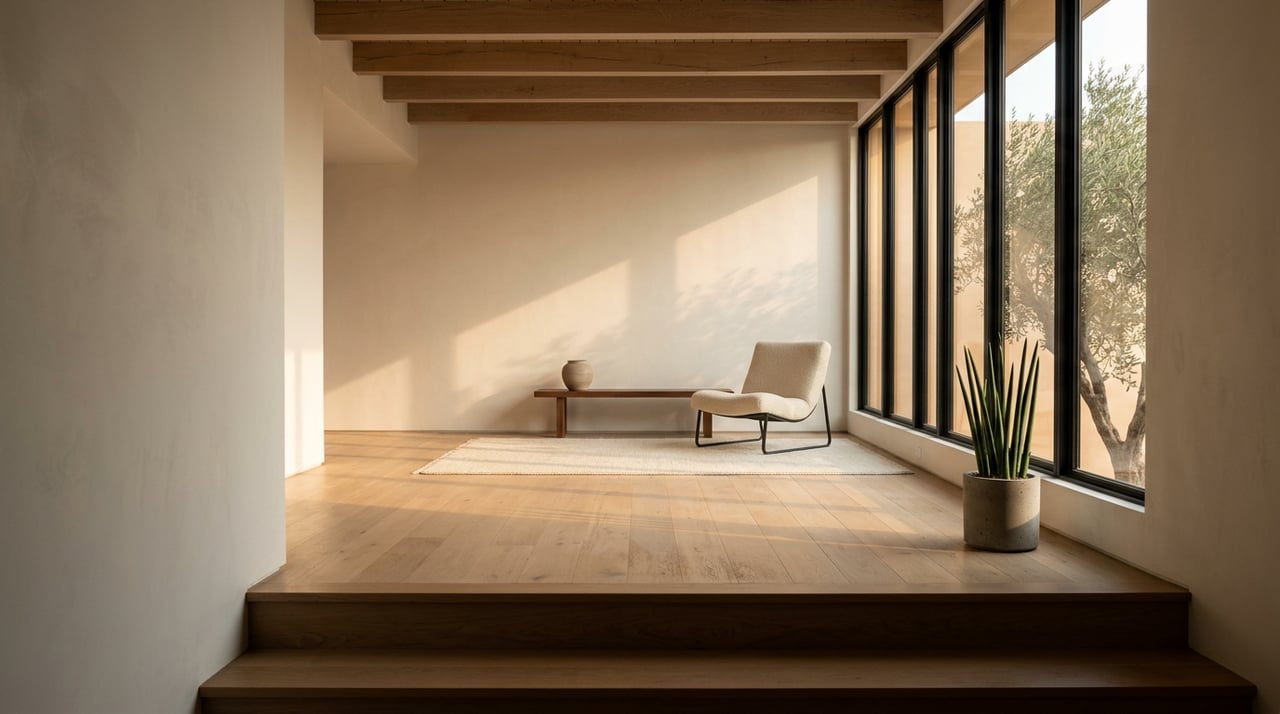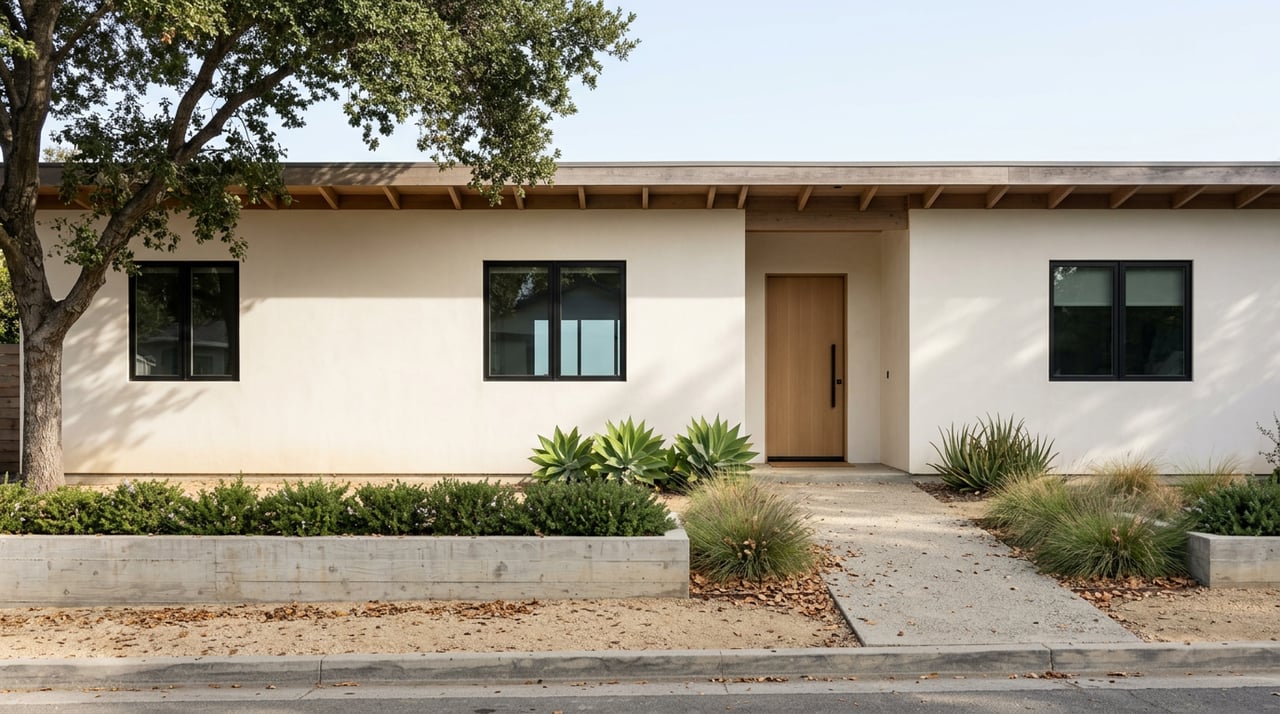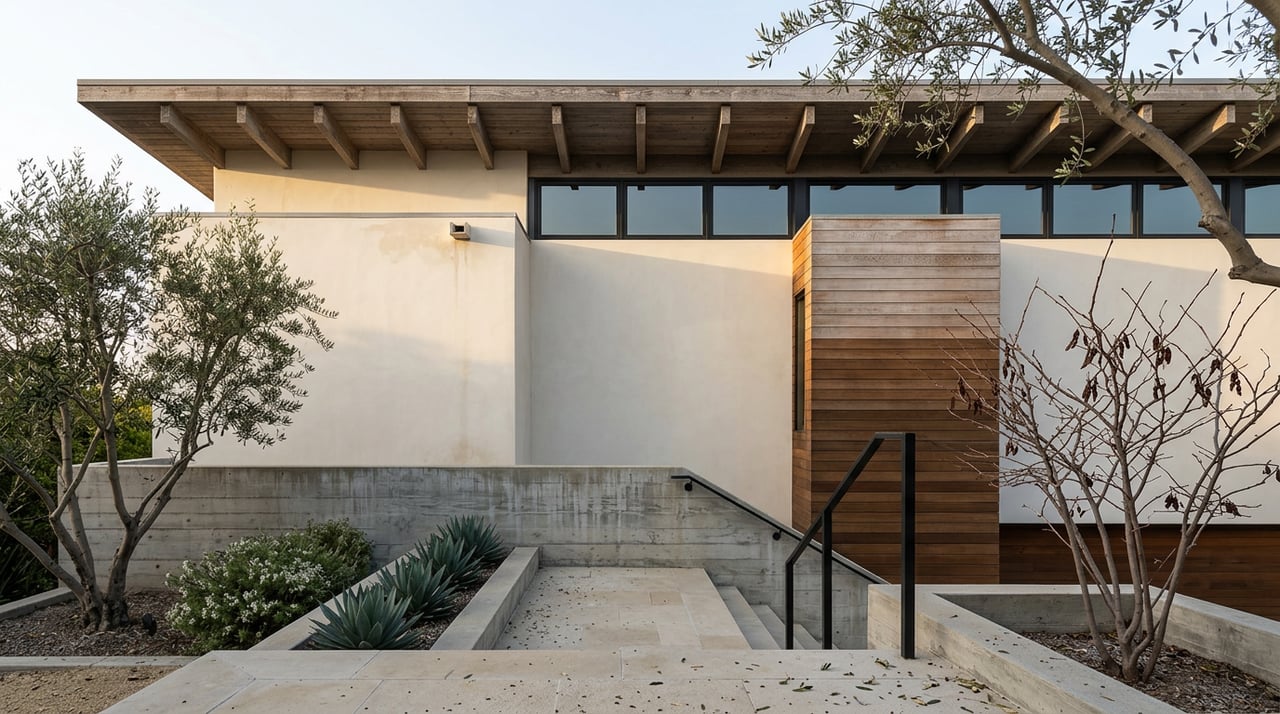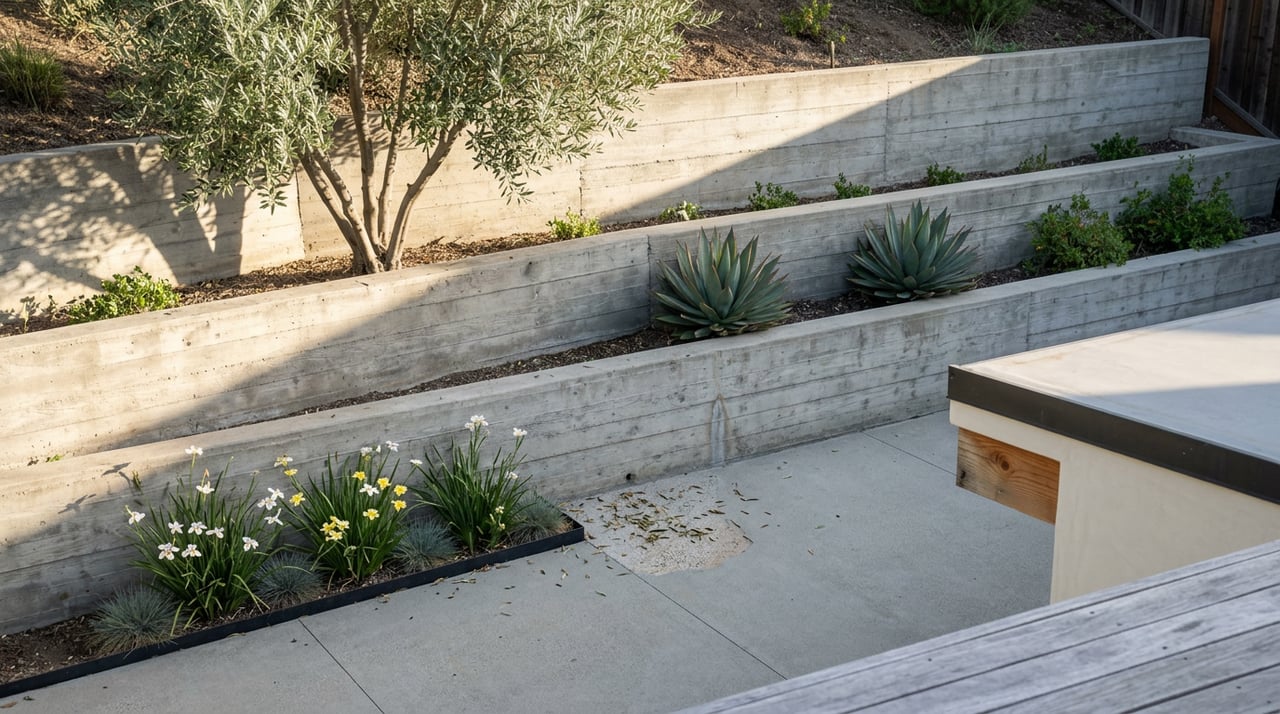
Why do two Silver Lake homes with the same square footage sell for very different prices? In this neighborhood, architecture is not just a look. It shapes how buyers feel, how a home lives, and what the market will pay. If you understand how style, floor plan, provenance, and condition work together, you can price, market, and negotiate with confidence.
This guide gives you a clear framework for how architecture influences value in Silver Lake, with style-by-style insights and practical checklists you can use right away. Let’s dive in.
Why architecture matters in Silver Lake
Silver Lake attracts design-aware buyers who value character, creativity, and connection to the outdoors. The neighborhood’s modernist legacy, hillside topography, and reservoir views make architecture part of the lifestyle story, not just an exterior style.
Design interacts with other high-value features: views, privacy, indoor-outdoor flow, and walkable access to cafes and retail. The right combination can amplify a premium, while mismatched updates or compromised floor plans can mute it.
Provenance also matters here. Recognized architects, intact original features, or notable ownership can expand the buyer pool and the press footprint, which can lift perceived value. Local rules, including potential historic overlays and city planning requirements, can protect character and affect what changes are allowed, so you should verify any designation before you remodel or price.
How design drives price
Scarcity and desirability
- When well-preserved examples are rare, demand concentrates. In Silver Lake, that often means intact midcentury homes or architect-designed custom builds. Scarcity plus taste alignment supports higher price per square foot and faster sales.
Floor plan and function
- Open layouts, strong sightlines, outdoor rooms, and flexible spaces for work are highly valued. Older compartmentalized plans may need reconfiguration; the cost to update affects negotiations and final price.
Provenance and authenticity
- Verified architect attribution and preserved original details create a scarcity premium. Authentic materials and documented history attract attention and often perform better than surface-level remodels that imitate a look.
Condition and systems
- Style carries maintenance expectations. Flat roofs, single-pane steel windows, or hillside foundations may signal near-term capital needs. Updated electrical, HVAC, insulation, and seismic work increase marketability, especially for older homes.
Curb appeal and visual legibility
- Homes that photograph well gain an edge in a visually driven market. Clean lines, natural light, and dramatic views enhance digital presentation and help the property stand out.
Regulations and entitlements
- Historic protections or planning constraints can stabilize value by preserving neighborhood character. They can also limit alterations. Confirm any overlay or landmark status and factor it into your plans and pricing.
Style-by-style performance in Silver Lake
Midcentury modern
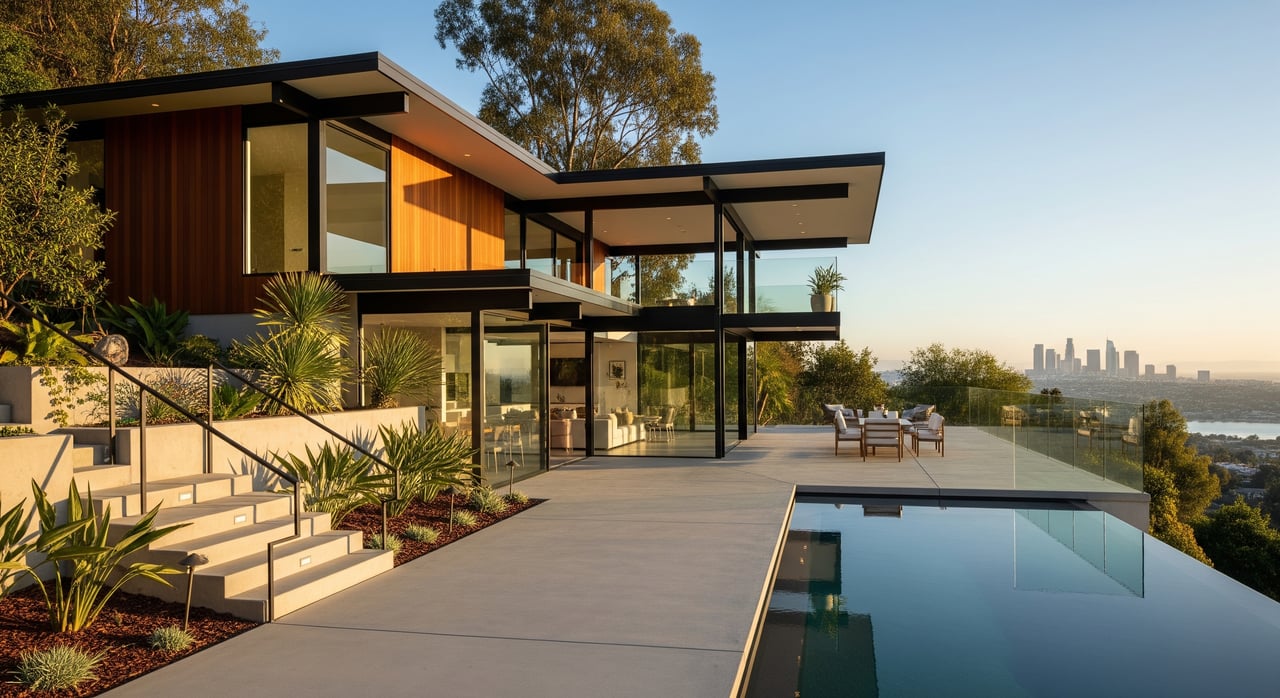
- Typical attributes: post-and-beam structure, open plans, floor-to-ceiling glass, horizontal lines, and indoor-outdoor flow that suits hillside sites.
- What drives demand: strong local cachet, photogenic interiors, and deep buyer interest in authenticity and named architects.
- Valuation notes: well-preserved or sensitively updated homes tend to outperform generic remodels. Poor “modernizing” that removes key midcentury features can hurt value.
- Marketing cues: spotlight original materials, documented architect, light, views, and seamless transitions to patios and decks.
Spanish revival family
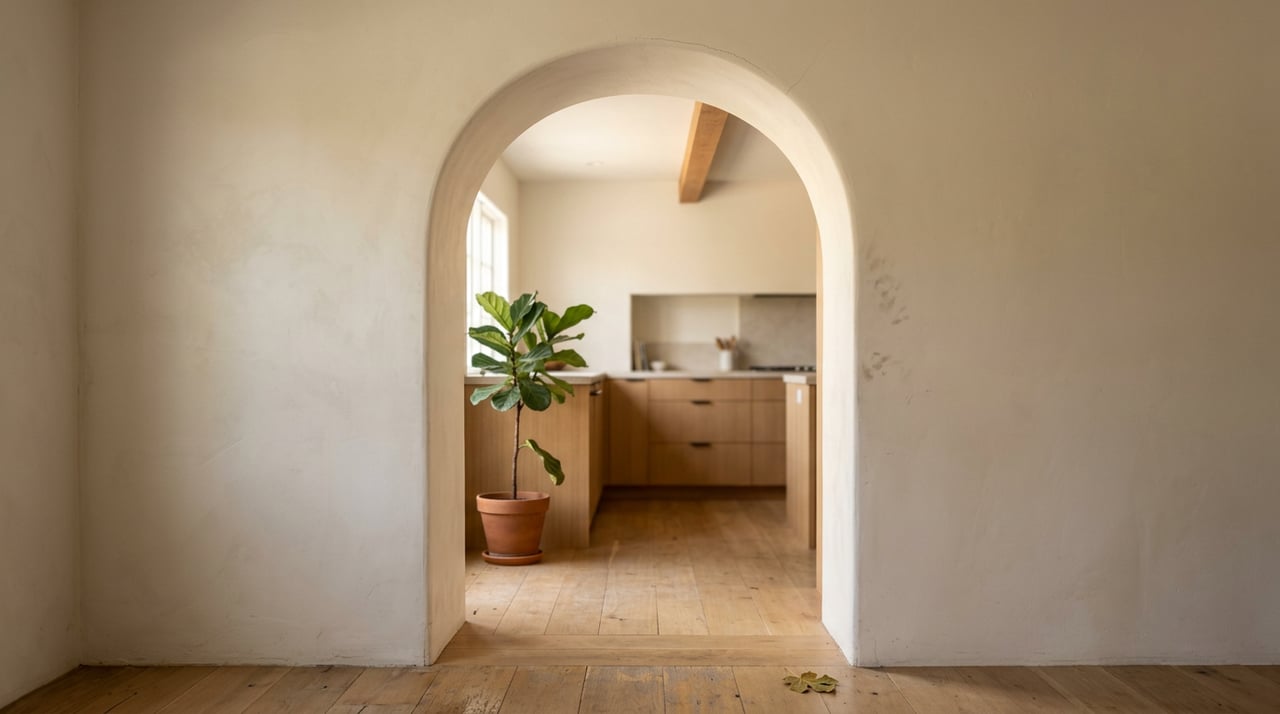
- Typical attributes: stucco walls, red tile roofs, arched openings, ironwork, cozy patios, and more compartmentalized rooms.
- What drives demand: historic charm, period character, and private outdoor courtyards for entertaining and privacy.
- Valuation notes: plan updates may be needed to match today’s flow expectations. Intact tile, beams, and hardware are prized. Roofing, stucco, and seismic work are common considerations.
- Marketing cues: highlight craftsmanship and outdoor rooms, and show tasteful modernization options where appropriate.
Contemporary custom builds
- Typical attributes: bespoke layouts, expansive glazing, minimal rooflines, energy-efficient systems, and integrated smart tech.
- What drives demand: turnkey living, performance systems, and tailored indoor-outdoor orientation on challenging lots.
- Valuation notes: often trade at higher price per square foot if design quality and finish level support the premium. Aesthetics can be polarizing, so targeting the right buyers is key.
- Marketing cues: emphasize build quality, efficiency, lifestyle zones for work and entertaining, and professional staging or virtual tours.
Your valuation framework
Collect key metrics
- Median sale price for Silver Lake and your street or tract over the past 12 months.
- Price per square foot for recent sold comps of the same style within 0.5 to 1 mile with similar lot and views.
- Days on market and list-to-sale ratio by style.
- Number of sales in the last 12 to 24 months by architectural style, if available.
- Permit history and major capital items: roof, foundation, seismic, HVAC, windows.
- Any historic designation or local overlay that could affect changes.
Qualitative checklist
- Provenance: named architect, plans or original specs, and any press or notable ownership.
- Authenticity: remaining original features and their condition.
- Plan function: flow, natural light, home office flexibility, and primary suite layout.
- Systems and liability: age and condition of major systems and hillside stability.
- Site and views: orientation to reservoir or city views, sun exposure, and outdoor room usability.
- Renovation feasibility: setbacks, ADU potential, and possible restrictions.
Questions to ask your agent and appraiser
- How do style-specific comps price relative to the neighborhood baseline?
- Does the local buyer pool favor authenticity or renovated look-alikes right now?
- What is the buyer pool size for this style: broad or niche?
- What near-term repairs or retrofits will a buyer or lender likely require?
Present the architecture
- Commission high-quality photography and floor plans that show indoor-outdoor relationships and original features.
- Document provenance: architect’s name, year built, drawings, and any publications.
- If proposing renovations, include professional concept renderings and cost ranges to help buyers see the path and value.
Pricing heuristics
- Verified architect attribution or documented provenance can justify a premium versus similar, unattributed homes. Use local comps to gauge the magnitude.
- Adjust for condition: if major systems are aged, expect buyer discounts unless you provide bids and timelines to reduce uncertainty.
- If the plan is functionally obsolete, estimate reconfiguration costs and buyer acceptance to inform your strategy.
Common Silver Lake scenarios
- An intact post-and-beam with panoramic views and original details often draws multiple offers when paired with documented provenance and strong visuals.
- A Spanish revival with period charm but dated flow may reach top pricing when sellers complete targeted system upgrades and present thoughtful plan options.
- A contemporary custom with high-end systems and staging can command a premium price per square foot if design quality and lifestyle zones are clear.
Update or preserve?
In Silver Lake, the best returns usually come from targeted updates that lower maintenance risk and respect the home’s inherent style. Buyers will often pay more for authenticity plus dependable systems than for a generic overhaul.
Focus on improvements that remove friction without erasing character. Preserve original woodwork, built-ins, and specialty windows where feasible, and modernize kitchens and baths in a style-consistent way.
Consider these high-impact items:
- Seismic upgrades, roof replacements, electrical and HVAC modernization.
- Window restoration or quality replacements that match the original intent.
- Insulation and energy performance improvements that do not compromise design.
- Outdoor living enhancements that strengthen indoor-outdoor flow.
How RSR Real Estate positions your home
You deserve representation that treats your home as cultural capital. RSR pairs design fluency with white-glove execution to surface provenance, protect your privacy, and tell a compelling story across photography, copy, and press.
Our team crafts style-specific pricing, curates buyer outreach, and uses editorial presentation to expand demand beyond listing portals. Whether you are selling an intact midcentury, a character-rich Spanish, or a bespoke contemporary, we guide what to preserve, what to update, and how to market for maximum value.
Ready to evaluate your next move in Silver Lake? Request a Private Consultation with RSR Real Estate.
FAQs
Which Silver Lake style sells fastest and for the highest premium?
- It varies by inventory and moment, but well-documented midcentury homes often sell quickly, high-quality contemporary customs command premium price per square foot, and Spanish revival performs strongly with buyers who value period character.
Does a named architect reliably increase price in Silver Lake?
- Yes, when the attribution is verifiable and the design is well-preserved, because it adds scarcity and draws broader attention, which can lift both interest and pricing.
Should I remodel before listing a Silver Lake home?
- Targeted updates that preserve style integrity and reduce maintenance risk usually outperform full cosmetic overhauls; use local comps and contractor input to fine-tune scope and budget.
How do historic overlays and designations affect value?
- They can stabilize neighborhood character and support value while limiting changes, so verify any designation early and factor rules into your renovation and pricing plans.
How do appraisers account for architectural style here?
- Appraisers rely on comparable sales first, then adjust when the market shows clear price differences for features like provenance, plan quality, or preserved original details.