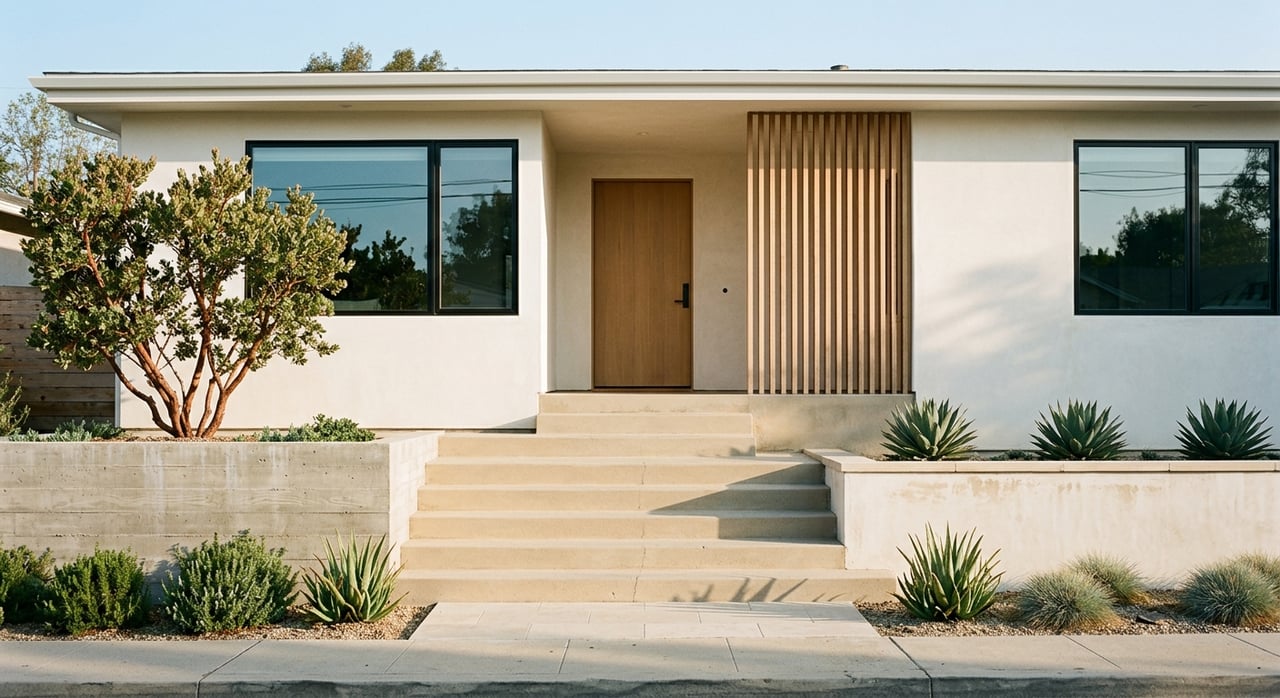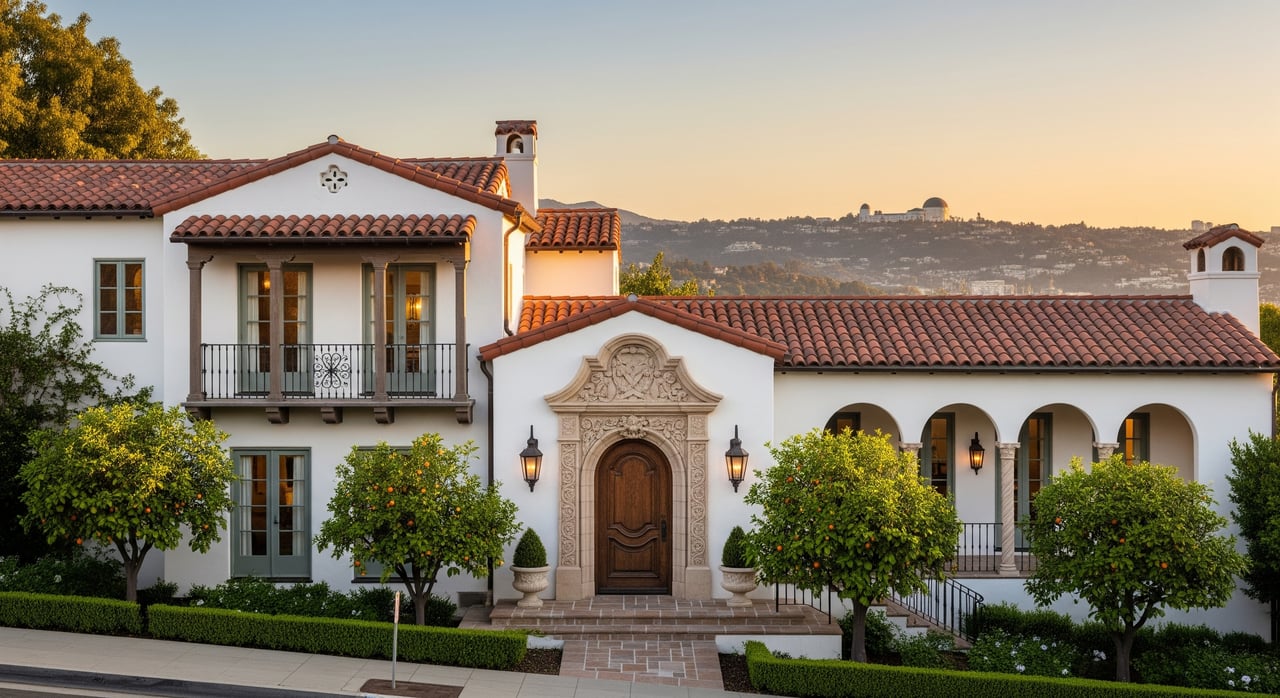
Is your Los Feliz home more than just square footage? If it has architectural pedigree, a special site, or a story, you face a different pricing puzzle than a typical listing. You want a number that honors the design and provenance while still attracting real buyers. In this guide, you’ll learn how to evaluate value drivers, combine valuation methods, and set a pricing strategy built for notable Los Feliz properties. Let’s dive in.
Why significant homes price differently
Los Feliz has a diverse mix of flats and hillsides with Craftsman, Spanish Colonial Revival, Tudor, Art Deco, mid‑century, and architect‑designed residences. Many standout properties offer rare combinations of architecture, views, privacy, or park adjacency. That uniqueness is powerful, but it also limits the reliability of simple price‑per‑square‑foot comparisons.
Because supply is low and each property is different, the buyer pool tends to be narrower. Outcomes depend on the right exposure and a pricing plan that accounts for micro‑location, provenance, and condition. Expect wider spreads between list and sale price and longer timelines than a standard Los Feliz home.
Key value drivers to analyze
Micro location and site
Where you sit within Los Feliz matters. Buyers weigh proximity to Griffith Park, Los Feliz Village amenities, and commute access. Site factors like topography, orientation, privacy, and usable outdoor space can add premiums or introduce constraints, especially on hillside lots.
Architecture and provenance
Architect name, original build date, awards, and documented provenance can justify a premium. Official recognition such as Los Angeles Historic‑Cultural Monument status adds prestige and may bring review requirements that some buyers value and others avoid. Clear records and credible storytelling help buyers understand the significance.
Condition and systems
Older Los Angeles homes require scrutiny of structure and seismic readiness. Foundations, bracing, and retrofits influence confidence. HVAC, plumbing, electrical, roof, and modern systems affect function and perceived upkeep. Sympathetic updates that respect original design typically appeal more than heavy, inconsistent remodels.
Permits and legal square footage
Lenders and buyers focus on legally permitted living area and accessory units. Unpermitted work can reduce financing options and slow a deal. Entitlements or development potential may increase value, while hillside rules can limit expansion.
Outdoor amenities and maintenance
Pools, terraces, gardens, and parking elevate the experience for high‑end buyers. The flip side is maintenance cost and complexity. Expect discerning buyers to factor operating costs into their offer.
Marketability and liquidity
Scarcity of direct comps increases appraisal variance. Marketing to the right audience can shift your outcome more than MLS exposure alone. Targeted outreach to architectural communities, collectors, and national or international buyers can matter as much as the list price itself.
How to set price in Los Feliz
Blend methods, not just price per foot
Significant homes rarely appraise cleanly on one approach. A sound pricing process uses several methods:
- Comparative Market Analysis with careful adjustments for architecture, lot, view, condition, and provenance.
- Replacement cost to gauge what it would take to rebuild, minus depreciation, plus land value.
- Income approach if there is realistic income potential or investor interest.
- A specialty appraisal from a professional experienced with unique and historic Los Angeles properties.
Finding and adjusting comparables
Start close to home, then expand to adjacent areas like the Hollywood Hills and Silver Lake for architecturally similar sales. Favor sales from the last 6 to 12 months. If you must use older comps, apply time and market adjustments. Compare more than price and size. Factor in design era, architect, lot and slope, parking, view premium, and renovation quality.
Pre‑listing steps that shape price
Inspections and reports
Commission structural, roof, pest, and system inspections. For hillside properties, add soils or geotechnical reports. Use the findings to refine price and decide what to repair in advance versus disclose and price accordingly.
Title and permitting review
Collect permits, verify legal ADUs, and flag any unpermitted improvements. These items will surface in escrow. Getting ahead of them reduces friction and protects your pricing power.
Historic status and tax programs
Confirm if the property is a designated Historic‑Cultural Monument or under a Mills Act contract. Designation can influence desirability, review processes, and potential tax benefits paired with maintenance obligations. Buyers weigh both the prestige and the responsibilities.
Marketing assets and exposure
Pricing and presentation go hand in hand. High‑quality architectural photography, floor plans, and editorial positioning help reach design‑minded buyers. For notable homes, targeted outreach beyond local portals often moves the needle.
Pricing strategies to consider
- Aspirational pricing to test the upper range works when paired with longer marketing windows and disciplined outreach. The risk is buyer fatigue if the list sits.
- Value pricing can create urgency and multiple offers in the right market. The risk is under‑shooting if the home is rarer than it first appears.
- Tiered or controlled exposure through private networks can locate discreet buyers but may limit price discovery.
- Curated auction or private sale processes sometimes maximize value for one‑of‑a‑kind properties, but they require specialist guidance and buyer vetting.
Timing, costs, and expectations
Expect a longer runway. Many significant Los Feliz homes need 60 to 180 days or more, depending on price and uniqueness. Build in time for specialty marketing, expert reports, and the possibility of longer escrows for complex financing. Account for documentary transfer taxes, recording fees, and any added expert costs in your net proceeds plan.
Legal, tax, and financing factors
California’s required disclosures apply to every sale. Unpermitted work must be disclosed and often impacts lending. Hillside properties bring added diligence on slope and erosion history, which lenders and insurers examine closely. Buyers also model property tax basis and local rules when estimating ownership costs. Specialty appraisals and insurance for older or hillside homes may influence affordability and offers.
Your advisory team matters
For a significant property, the right team is part of the value. A listing agent fluent in Los Feliz micro‑markets and architectural homes can align pricing with a narrative that resonates. A licensed appraiser, preservation consultant or architect, structural and geotechnical engineers, and an experienced escrow or title partner help you de‑risk the process. This is how you protect price while honoring the home’s story.
Seller checklist
- Gather title documents, permits, past appraisals, and surveys.
- Order inspections and obtain contractor estimates for key repairs.
- Verify legal square footage and ADUs; identify unpermitted work.
- Confirm historic status and any Mills Act participation.
- Produce floor plans, architectural photography, and a targeted marketing plan.
- Reconcile CMA, cost approach, and marketing strategy with your agent and appraiser.
- Set a list‑price range, negotiation plan, and minimum acceptable net.
Ready to price with confidence and reach the right buyers for your Los Feliz home? Schedule a confidential conversation with the team at RSR Real Estate to map the strategy that fits your property’s story.
FAQs
What makes comps unreliable for a unique Los Feliz home?
- Significant homes vary by architecture, site, views, and provenance, so simple price‑per‑square‑foot comparisons need larger adjustments and benefit from multiple valuation methods and a specialty appraiser.
How long does it take to sell a significant home in Los Feliz?
- Plan for months rather than weeks, often 60 to 180 days or more depending on price band, uniqueness, and market appetite.
Does historic designation raise or lower the price?
- It can do either, offering prestige and potential tax benefits while adding review obligations, so buyers weigh the value of designation against any limitations on alterations.
Should I legalize unpermitted work before listing?
- Often yes for major items, because it builds buyer and lender confidence, but you should get bids and an appraiser’s view to decide whether to legalize or disclose and price accordingly.
What inspections should I do for a hillside property?
- In addition to general, roof, pest, plumbing, and electrical inspections, add soils or geotechnical evaluation and review any slope or erosion history.
Will buyers pay more for architect or celebrity provenance?
- Some will, especially collectors or design‑focused buyers, but proof of provenance and overall condition still drive final value and appraisal support.