Buying a character bungalow in Highland Park can feel like falling for a home with a story before you know the full plot. You may love the porch, the roofline, or the way an older house sits on its lot, but you also need to know what you are truly buying. If you are drawn to charm and want to make a smart, informed purchase, this guide will help you evaluate condition, character, and future potential in Highland Park. Let’s dive in.
Why Highland Park draws bungalow buyers
Highland Park offers a housing mix where older homes still matter. According to the community profile, 37% of occupied private dwellings were built in 1960 or earlier, which makes age, upkeep, and renovation history especially important when you are shopping here.
The neighborhood also sits within Calgary’s North Hill Communities planning area, where the long-term direction is to preserve unique heritage character while allowing modern housing options. That balance is part of what makes a character bungalow appealing in Highland Park. You are not just buying square footage. You are buying form, setting, and architectural presence.
What defines a character bungalow
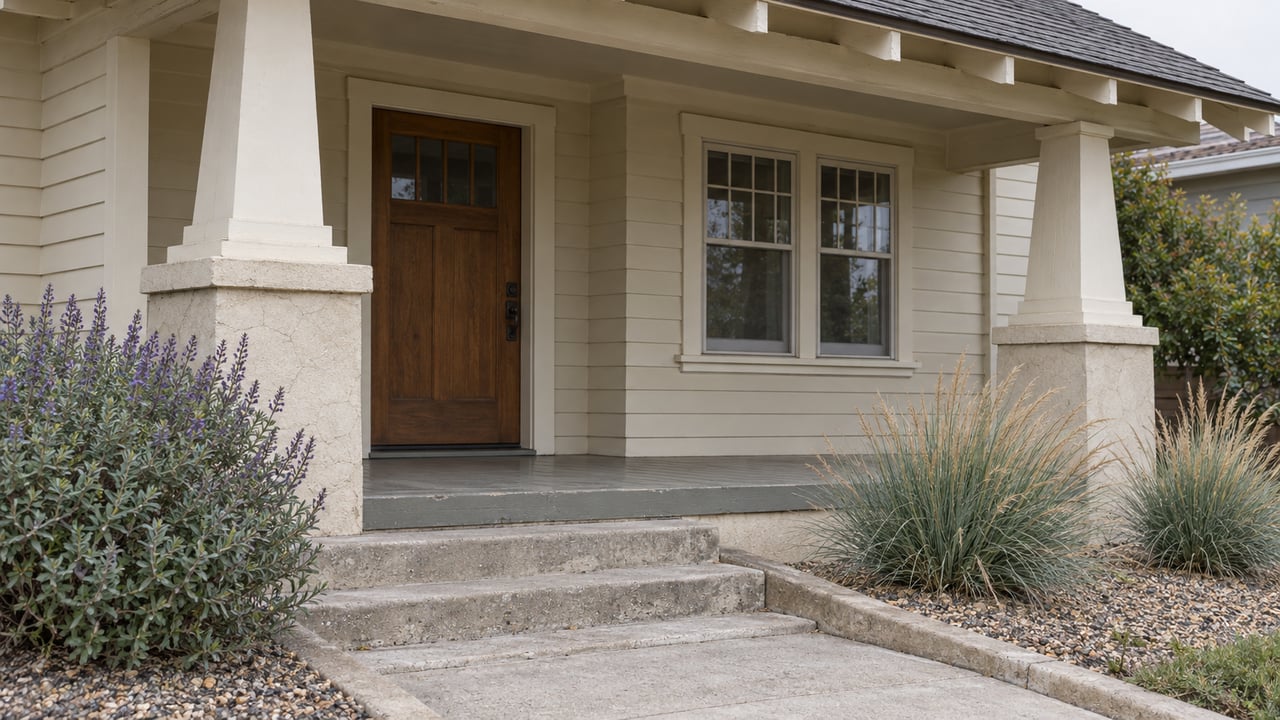
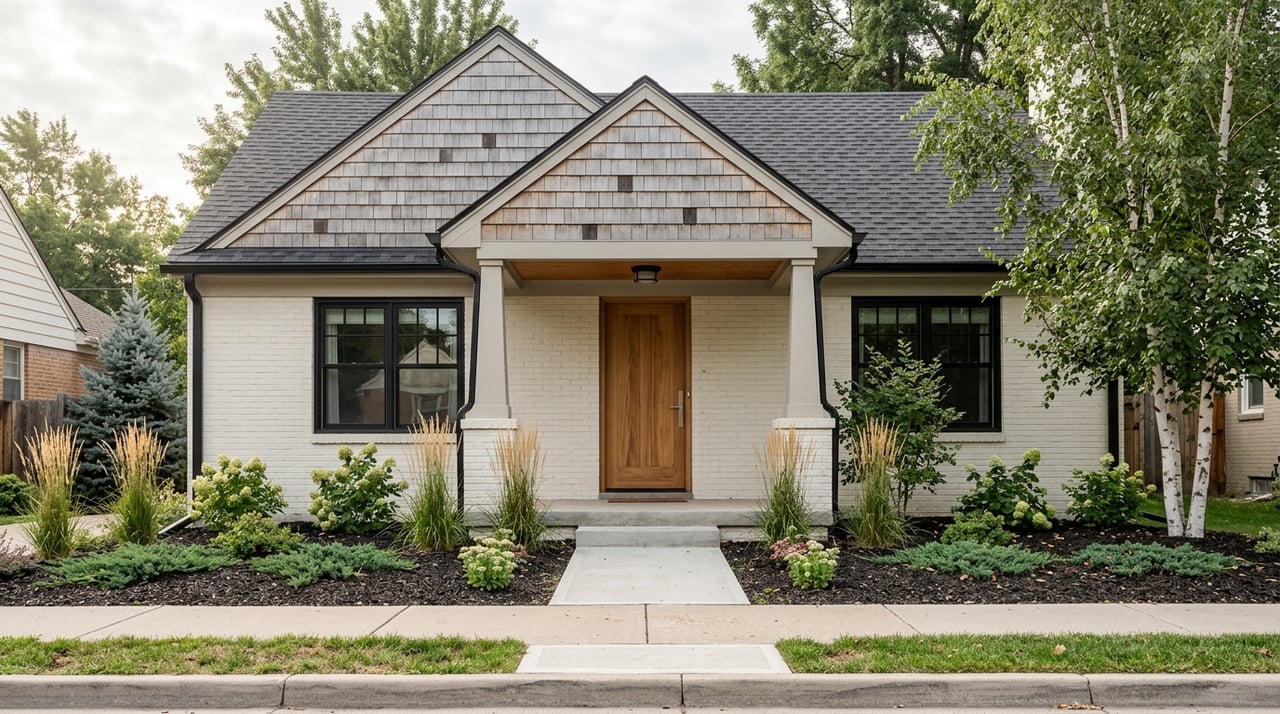
In Calgary heritage sources, bungalow-type homes are often one-storey or one-and-one-half-storey houses with compact plans and strong street presence. Common features include front porches or verandahs, moderate-pitched gable or hip roofs, dormers, and overhanging eaves.
Materials also help shape the look. Many older Calgary examples use wood-frame construction with stucco or shingle cladding, and they often relate closely to mature landscaping and established front setbacks.
Key features worth protecting
When you tour a home, focus on the elements that give it identity. In many character bungalows, the most important visual features are:
- Original massing and roofline
- Window and door pattern and proportion
- Front porch or verandah
- Placement on the lot
- Exterior materials and detailing that still reflect the home’s era
These details often matter more than surface styling. Paint colors and fixtures can change easily, but a home’s scale, roof form, and street relationship are harder to restore once altered.
What floor plans usually look like
Many character bungalows in Calgary are compact and efficient rather than sprawling. You will often find living and dining areas on the main floor, bedrooms off a central hall or grouped on the main level, and a full or partial basement used for storage and mechanical systems.
That layout can work beautifully if you value separation between living and sleeping spaces and appreciate a home with a clear, traditional plan. At the same time, it is smart to think ahead about how the layout fits your daily life, especially if you are comparing original homes with updated ones.
Condition matters in Highland Park
If you are buying an older bungalow, condition deserves as much attention as charm. In Highland Park, 92% of occupied dwellings needed only regular maintenance or minor repairs, but 8% were reported as needing major repairs. That does not mean a specific house will have serious issues, but it does show why careful due diligence matters.
Older homes can be rewarding, but they often come with a running list of maintenance priorities. A beautiful exterior and inviting interior do not always tell you what is happening with drainage, electrical, or basement moisture.
Inspection priorities for older bungalows
Alberta recommends hiring a licensed home inspector. For an older house, inspection priorities should include readily accessible features and systems such as:
- Roof condition
- Gutters and downspouts
- Foundation cracks
- Grading and drainage around the house
- Window condition
- Sewer and drain concerns
- Furnace age and condition
- Water tank age and condition
- Electrical system basics
- Signs of dampness in the basement
These are the areas most likely to affect your near-term budget and your peace of mind after closing.
Common issues buyers should expect
Older bungalows often show wear in practical places first. Alberta guidance highlights issues such as missing or curled shingles, worn siding, cracked or uneven paths and driveways, deteriorated caulking around tubs and basins, and trees planted too close to the home or underground pipes.
None of these issues automatically makes a property a bad purchase. The key is understanding what is cosmetic, what is deferred maintenance, and what could lead to larger repair costs.
How to judge updates with confidence
A well-updated character bungalow can offer the best of both worlds. You may get original charm along with improved systems and better day-to-day function. Still, not every renovation adds the same value.
As you evaluate a property, ask clear questions about what has been updated and when. Focus first on systems, envelope, and water management before getting distracted by finishes.
Questions to ask before you buy
Use these questions to guide your review:
- Which major systems have been updated?
- Was past work completed with permits where required?
- Does the home still retain its core character features?
- Are there records showing recent permit activity?
- Will future changes fit the home’s proportions and materials?
In Calgary, a Certificate of Compliance can help confirm that structures on the property comply with the Land Use Bylaw, but it does not verify permit history. The City’s myProperty tool shows the last 10 years of permit activity for residential properties, and older permit history requires a property research request.
Know the permit rules before planning changes
It is easy to walk into a charming bungalow and start imagining additions, a suite, or a major exterior redesign. Before you make assumptions, understand how Calgary handles permits.
Additions to a house always require at least a building permit. A development permit is also required if the design or location does not meet Land Use Bylaw rules. Secondary suites also require permit review, and in some districts both development and building permits are needed.
Why this matters to buyers
Permit rules shape both your renovation budget and your timeline. If you are buying with plans to expand or rework the property, you want to know early whether your ideas are likely to fit the site and the local rules.
This is especially important in a neighborhood where character and streetscape matter. A home may have plenty of potential, but the right approach is usually one that works with the existing house rather than overpowering it.
Respect character without freezing the home in time
Highland Park sits in a planning context that values heritage character, but that does not mean every house must stay untouched. It means thoughtful changes tend to matter more.
The North Hill Heritage Guidelines emphasize front setbacks that align with surrounding heritage assets, visible rooflines that remain consistent with the area, and front projections such as porches or verandahs that maintain a strong street relationship. The goal is to respond to heritage character without creating a fake historic appearance.
If the home has historic designation
Some properties may be designated as a Municipal Historic Resource. If that applies, demolition is prevented, and alterations to important heritage elements require collaboration with Heritage Planning.
For protected historic places, conservation standards recommend minimal intervention. In practical terms, that often means repairing rather than replacing character-defining elements when possible and designing additions that are compatible, subordinate to the original structure, and still distinguishable on close inspection.
How to balance charm and practicality
The right character bungalow is usually not the one that looks perfect on day one. It is the one where charm, condition, and future options line up with your goals.
For some buyers, that means choosing a home with intact original features and budgeting for gradual updates. For others, it means finding a property where major systems have already been improved while the home still keeps its roofline, porch, windows, and overall presence.
A smart purchase often comes down to four core questions:
- Does the home still feel true to its original character?
- What repairs or replacements are likely in the short term?
- Was previous work properly reviewed and documented?
- Can you make future changes without losing what makes the house special?
In Highland Park, those questions are especially useful because so much of the appeal is tied to older-house charm and neighborhood context.
If you are considering a character bungalow here, it helps to approach the search with both design sensitivity and clear-eyed due diligence. RSR Real Estate brings a design-minded perspective to distinctive homes and can help you assess charm, condition, and long-term fit with care.
FAQs
What is a character bungalow in Highland Park?
- A character bungalow in Highland Park is typically an older one-storey or one-and-one-half-storey home with features such as a front porch or verandah, a moderate-pitched gable or hip roof, compact form, and original details that contribute to its architectural identity.
What should you inspect in an older Highland Park bungalow?
- You should pay close attention to the roof, gutters, downspouts, foundation, grading, drainage, windows, sewer and drains, furnace, water tank, electrical basics, and any signs of basement dampness.
Do older homes in Highland Park often need repairs?
- Highland Park’s community profile shows that 92% of occupied dwellings needed only regular maintenance or minor repairs, while 8% needed major repairs, which makes inspection and repair budgeting important when buying an older home.
Do renovations to a Highland Park bungalow need permits?
- Yes. In Calgary, house additions always require at least a building permit, and some projects also require a development permit depending on whether they meet Land Use Bylaw rules. Secondary suites also require permit review.
How can you check past permit activity on a Highland Park property?
- In Calgary, the myProperty tool shows the last 10 years of residential permit activity, and older permit history requires a property research request. A Certificate of Compliance can confirm Land Use Bylaw compliance for structures, but it does not verify permit history.
What happens if a Highland Park bungalow is historically designated?
- If a bungalow is designated as a Municipal Historic Resource, demolition is prevented, and changes to important heritage elements require collaboration with Heritage Planning. Owners may also qualify for incentives or grants.