What does daily life really feel like around the Silver Lake Reservoir? If you are considering a move to Silver Lake, you are probably looking for more than a map pin. You want to know how the neighborhood moves, where people gather, and what kind of rhythm shapes an average morning or evening. This guide walks you through the routines, public spaces, and local habits that define life around the reservoir. Let’s dive in.
Why the Silver Lake Reservoir Matters
The Silver Lake Reservoir Complex is more than a backdrop. According to LADWP, it is a water-operations facility that began as open reservoirs in the early 1900s, and while the reservoirs were taken offline, the site remains operational. Portions of the complex have also been opened for community use, which helps explain why the area feels both civic and deeply local.
The reservoir also helped give the neighborhood its identity. LADWP notes that the area takes its name from the reservoir, which was named for city councilman Herman Silver in 1907. That history still shapes how people talk about Silver Lake today.
Outdoor Life Centers on the Loop
If you spend time near the reservoir, one thing becomes clear quickly: the loop is part of daily life. The Los Angeles Times places the full reservoir loop at 2.2 miles, making it a practical route for walks, runs, and repeat laps. Because much of it is separated from car traffic, it offers a steadier, more relaxed experience than many city routes.
The path moves past West Silver Lake Drive, Silver Lake Avenue, and Tesla Drive, with decomposed-granite stretches along parts of the route. The water itself remains fenced off, so the draw is not shoreline access. Instead, it is the consistency of the circuit, the views, and the ease of building it into your day.
For many residents, that means the reservoir becomes a routine rather than a destination. Morning walks, stroller laps, after-work runs, and casual weekend circuits all fit naturally here. It is one of the clearest examples of how outdoor movement is woven into neighborhood life.
Nearby Stops Add Flexibility
The loop is not the only reason the area works so well for daily use. The Los Angeles Times also highlights Silver Lake Meadow and the recreation center as natural companion stops. With grass, a playground, and the adjacent dog park nearby, the area functions more like a neighborhood commons than a single-use path.
That flexibility matters when you imagine real day-to-day living. You can keep a walk short, add time outdoors with kids, or extend the outing into a broader neighborhood errand run. In a place like Silver Lake, that kind of overlap often shapes how a neighborhood feels.
Community Stewardship Is Highly Visible
Some neighborhoods have well-used public space. Silver Lake also has visible community stewardship around it. An all-volunteer conservancy focuses on enhancing the reservoirs’ ecological, cultural, aesthetic, and recreational value, and the Silver Lake Neighborhood Council has a Reservoir Complex Committee dedicated to the walking paths, dog park, meadow, eucalyptus grove, and adjacent areas.
That level of involvement gives the area a particular texture. The reservoir is not just a place people pass through. It is a place people actively pay attention to, discuss, and help shape.
The city has also opened the South Dam as a walking path to improve pedestrian access. Small changes like that reinforce how important walkability and public use are to the area’s identity.
Stairways Extend the Neighborhood’s Rhythm
The reservoir loop is only part of Silver Lake’s outdoor culture. The neighborhood’s hillside stairways add another layer to everyday movement. City planning documents identify public stairways as a distinctive feature of hillside development in Los Angeles, and in Silver Lake, they are part of how people experience the terrain.
The Los Angeles Times points to the Music Box Steps, a 133-step climb, along with other public stairs nearby. If you enjoy neighborhoods that encourage walking with a little variation, this matters. The stairs create routes that feel more textured and local than a standard grid.
In practical terms, they also broaden your options. You can stick to the reservoir for a flatter loop or add elevation and neighborhood exploration. That mix is part of what makes Silver Lake feel active without needing a special outing.
Dog-Friendly Living Has Structure
If you have a dog, Silver Lake offers a clear public routine. Silver Lake Dog Park, located at 1863 Silver Lake Blvd., is open daily from 6:00 a.m. to 10:00 p.m., with a Wednesday maintenance closure from 6:00 a.m. to 8:30 a.m., according to the City of Los Angeles.
That convenience makes pet ownership feel naturally integrated into the neighborhood. At the same time, the city’s posted rules keep the space structured. Dogs must be leashed in the parking area, and the park is for dogs only.
The city also prohibits food, bicycles, skateboards, rollerblades, and unattended dogs inside the park. So while Silver Lake has a strong dog-friendly reputation, it operates within a clearly managed public setting. For residents, that usually translates into a dependable and orderly part of daily life.
Cafes and Markets Shape the Social Tempo
Life around the reservoir is not only about exercise. It is also about how outdoor routines connect to nearby businesses and gathering spots. The Los Angeles Times describes Sunset Junction and nearby commercial streets as anchors of everyday social life, with places like Intelligentsia Coffee, Millie’s Cafe, and Pine & Crane helping turn a walk into a longer morning or midday outing.
This is one reason Silver Lake often feels socially active without feeling overly formal. A reservoir circuit can easily lead into coffee, breakfast, or a casual meal. The neighborhood supports small rituals that repeat week after week.
The Silver Lake Farmers Market is another regular anchor. The City of Los Angeles Tourism site currently lists it on Saturdays from 8:00 a.m. to 1:30 p.m. at 1500 Griffith Park Blvd. The Los Angeles Times notes that its mix of produce, prepared food, and non-food vendors reflects the neighborhood’s character, while nearby shops and restaurants help the market feel connected to a larger local circuit.
What Living Nearby Often Feels Like
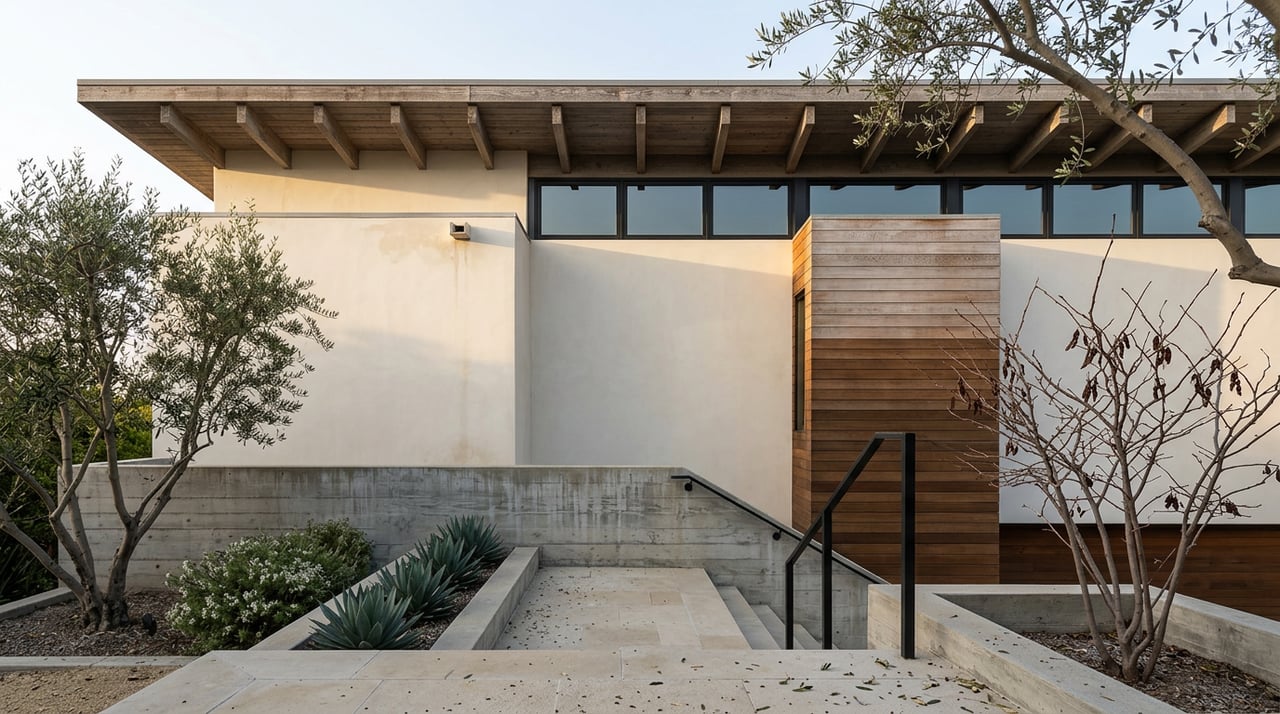
Taken together, the reservoir loop, stairways, dog park, meadow, and nearby cafes create a neighborhood where daily routines happen in public view. The Los Angeles Times characterizes Silver Lake as a neighborhood associated with hillside modernist architecture, creative residents, and a lively Sunset Boulevard core. Around the reservoir, that translates into a pace that feels active, social, and visually distinct.
For buyers, this kind of environment often matters as much as square footage. You are not only choosing a home. You are choosing whether your mornings begin with a 2.2-mile loop, whether errands can include a market stop, and whether neighborhood life feels close at hand.
Silver Lake tends to appeal to people who value design, movement, and a sense of place. Around the reservoir, those qualities are especially visible in the way public space and daily routine overlap.
Why This Matters for Homebuyers
When you buy near the Silver Lake Reservoir, you are buying into a specific pattern of living. Access to walking routes, public open space, nearby cafes, and established neighborhood rituals can shape how often you spend time outside and how connected you feel to the area.
That is especially relevant in a neighborhood where design and setting often go hand in hand. For buyers drawn to Silver Lake’s architectural identity and lived-in local culture, the reservoir area offers a strong example of how the neighborhood functions from one day to the next.
If you are exploring Silver Lake, it helps to look beyond listings and pay attention to routine. Walk the loop, notice how people use the space, and see how the surrounding streets connect to the rest of your day. Those details often tell you just as much as a property tour.
If you are considering a move in Silver Lake or searching for a home that aligns with your lifestyle and design priorities, RSR Real Estate can help you navigate the neighborhood with a thoughtful, local perspective.
FAQs
What is the Silver Lake Reservoir loop like for daily exercise?
- The Los Angeles Times reports that the full loop is about 2.2 miles and is largely separated from car traffic, making it a popular route for walking, running, and repeat daily laps.
Is the Silver Lake Reservoir open for waterfront access?
- No. The water remains fenced off, so the experience is focused on the perimeter path, views, and surrounding public spaces rather than direct shoreline access.
What public spaces are near the Silver Lake Reservoir?
- Nearby spaces include the perimeter walking path, Silver Lake Meadow, the recreation center, the dog park, and the South Dam walking path.
What should dog owners know about Silver Lake Dog Park?
- The City of Los Angeles lists Silver Lake Dog Park at 1863 Silver Lake Blvd. as open daily from 6:00 a.m. to 10:00 p.m., with a Wednesday maintenance closure from 6:00 a.m. to 8:30 a.m., and notes rules including leashes in the parking area and no unattended dogs.
When is the Silver Lake Farmers Market open in Los Angeles?
- The City of Los Angeles Tourism site currently lists the Silver Lake Farmers Market on Saturdays from 8:00 a.m. to 1:30 p.m. at 1500 Griffith Park Blvd.
How do Silver Lake stairways shape neighborhood life?
- Public stairways are a distinctive part of hillside Los Angeles, and in Silver Lake they add walking routes, elevation changes, and another layer to the area’s everyday outdoor culture.