Selling a historic Los Feliz home quietly takes more than limiting who walks through the front door. You are balancing privacy, preservation, presentation, and California disclosure rules all at once. Done well, a confidential sale can protect your personal space while still giving buyers the confidence they need to act. Let’s dive in.
Why historic Los Feliz homes need a different plan
Los Feliz is not just a collection of older homes. Within the Hollywood Community Plan area, Los Angeles uses a preservation system that looks at properties at the parcel level through ZIMAS and HistoricPlacesLA.
That matters because a historic home here should be treated as a specific preservation case, not as a generic vintage property. In Los Feliz, SurveyLA identifies strong concentrations of Period Revival architecture, including Spanish Colonial Revival, Mediterranean Revival, Tudor Revival, Storybook, French Norman, and Chateauesque homes.
These homes are often defined by more than age alone. Materials, craftsmanship, setbacks, and landscaping all contribute to how the property is understood and presented.
For sellers, that means your home’s original character is not just background detail. It is part of the story buyers respond to and part of what should be protected during pre-sale preparation.
Confirm the home’s historic status first
Before you schedule repairs, painting, or staging, confirm exactly how the property is identified by the City. In Los Angeles, ZIMAS and HistoricPlacesLA are the key starting points.
ZIMAS can show zoning, overlays, and permit history. HistoricPlacesLA includes SurveyLA findings and can help confirm whether the home is identified through local surveys, designated as a Historic-Cultural Monument, or located within a Historic Preservation Overlay Zone.
That distinction shapes what you can do before listing. A property with formal designation or overlay review may need more care and additional approvals for exterior work.
Why review rules matter before pre-listing work
If the home is a City Historic-Cultural Monument, proposed work that may affect it can be reviewed by the Cultural Heritage Commission. If the home sits within an HPOZ, exterior work, including landscaping, alterations, additions, and new construction, is subject to added review.
This is why rushing into cosmetic updates can create problems. Even work that seems simple, such as changing windows or reworking a front yard, may affect the home’s historic presentation.
For a confidential sale, speed often matters, but so does accuracy. Verifying status upfront helps you avoid delays, missteps, or changes that undercut value.
Focus on repair over replacement
For a historic Los Feliz home, the pre-sale goal is usually rehabilitation rather than wholesale modernization. In simple terms, that means improving condition and livability while maintaining the home’s historic character.
As you prepare for market, favor work that repairs what exists instead of replacing distinctive features without a clear reason. Original details often contribute to the home’s appeal, especially for design-minded buyers looking in Los Feliz.
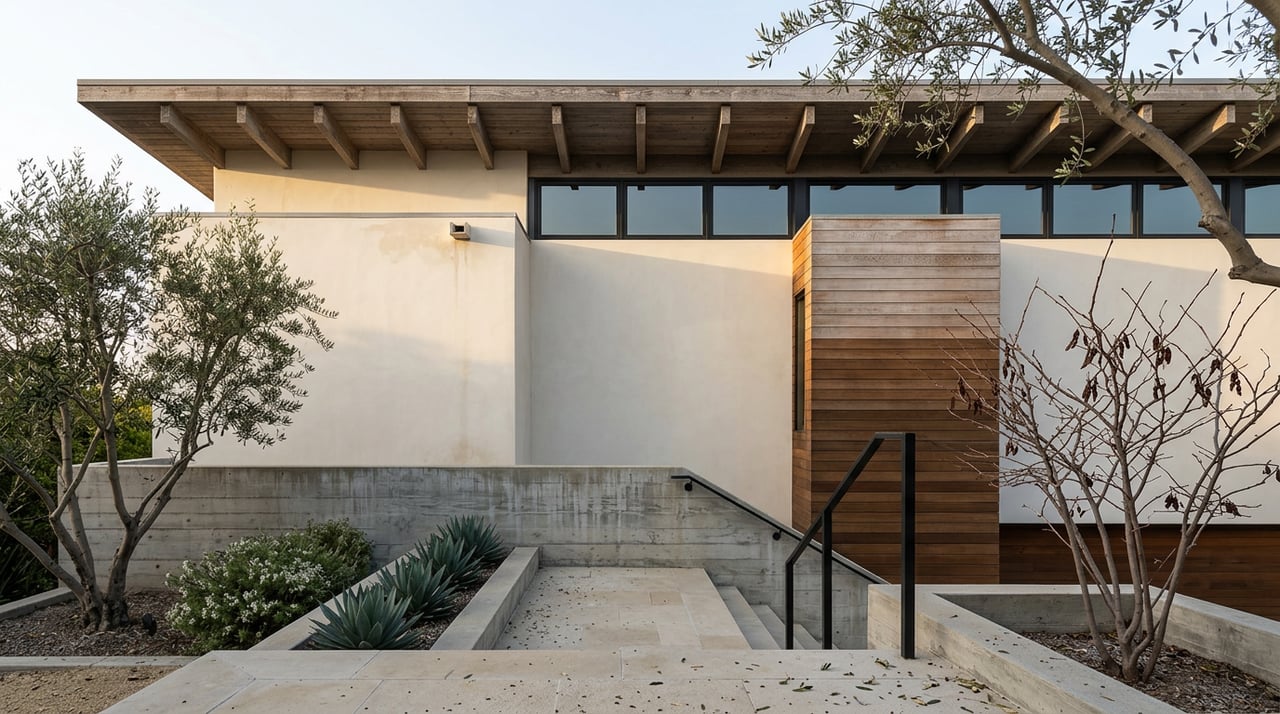
This approach is especially important when it comes to visible exterior elements. Unnecessary changes to rooflines, openings, and other defining features can weaken the architectural identity that makes the property stand out.
Protect windows, doors, and exterior character
SurveyLA’s guidance is useful here. Some windows and doors may be replaced, but openings should not be altered and original fenestration patterns should not be disrupted.
That means buyers are not only noticing whether the house looks polished. They are also reading whether the exterior still feels coherent and true to its architecture.
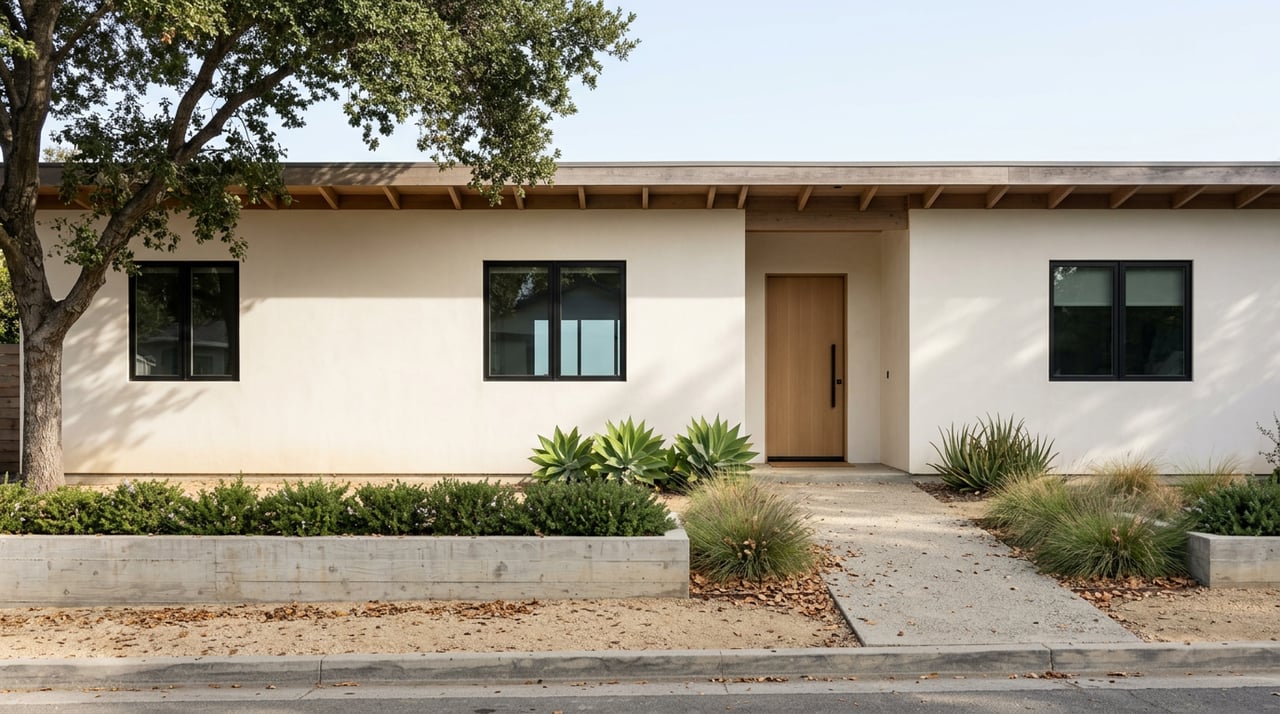
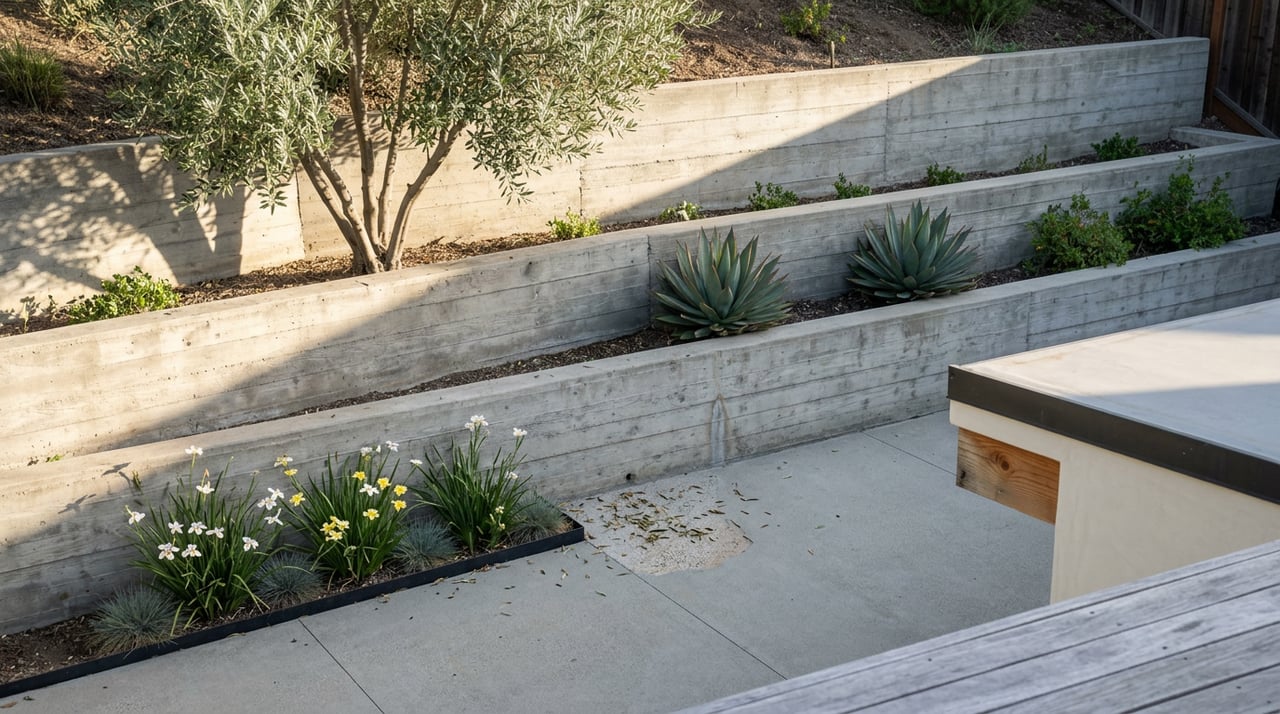
Front-yard presentation matters too. In Period Revival areas, setbacks, landscaping, and street-facing character help create the larger setting buyers expect in Los Feliz.
Prepare the property to show well
Confidential does not mean unfinished. A discreet sale still needs strong presentation, especially when the buyer pool is narrower by design.
Cleaning, decluttering, and improving curb appeal can strengthen photography and private showings. Staging can also help buyers understand scale, flow, and lifestyle without overwhelming the home’s original character.
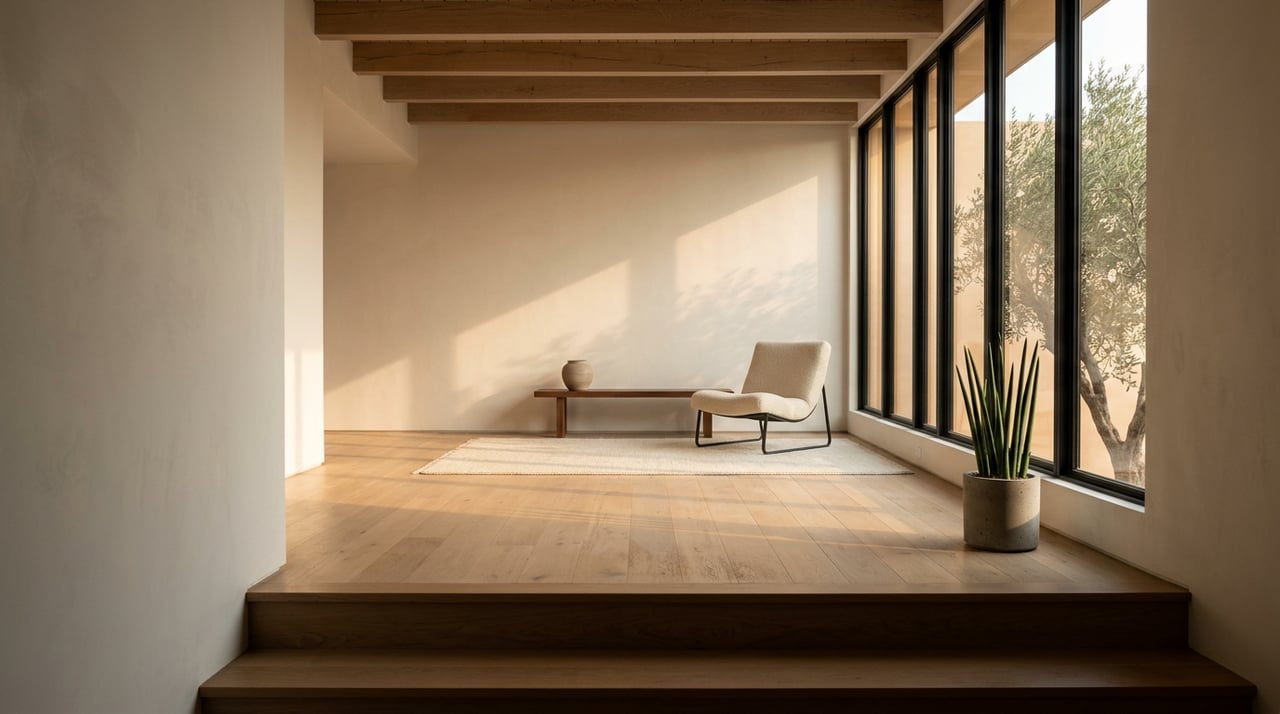
For an architecturally notable house, the best preparation is often restrained. The goal is to make the home feel composed, calm, and cared for while letting the architecture lead.
Consider a pre-sale inspection
A pre-sale inspection is not required, but it can be a smart step. It may help identify issues involving the roof, plumbing, electrical systems, HVAC, or health-related concerns such as mold, lead paint, asbestos, or radon.
For a confidential listing, early information is especially valuable. It gives you time to decide what to repair, what to disclose clearly, and how to prevent surprises later in the process.
When buyers are being carefully vetted and showing opportunities are limited, confidence matters. A well-prepared seller often creates a smoother path to serious offers.
Use extra care with older materials
If your Los Feliz home was built before 1978, repainting or renovation work that disturbs older paint should be handled with lead-safe methods. Testing is the only way to know for certain whether lead paint is present.
For projects that disturb lead-based paint, lead-safe certified contractors are required under federal renovation rules. Inspections and risk assessments can also be useful first steps when you are deciding how to prepare the home responsibly.
This is one area where discretion should never mean cutting corners. Quiet execution still needs to be careful, documented, and compliant.
Build a confidential sale around controlled access
A private sale works best when access is intentional. That usually means removing personal items, securing valuables, minimizing visible personal information, and routing all inquiries and showings through your agent.
Unscheduled visitors and casual drop-ins do not support privacy or buyer quality. A controlled-access approach helps keep the process calm, secure, and aligned with the level of the property.
For many sellers, this also creates a better emotional experience. You can prepare the home thoughtfully without feeling exposed to constant traffic.
Vet buyers without losing momentum
Privacy and seriousness tend to go together. Limiting showings to pre-qualified or properly identified buyers can help reduce risk and keep the process focused.
That does not mean the sale should feel inaccessible. It means the experience should be curated, with each showing treated as a meaningful opportunity rather than a volume exercise.
For a notable Los Feliz property, selective exposure can be strategic. But the tradeoff is real: broader MLS exposure reaches the largest pool of serious buyers, while a more confidential approach narrows exposure in exchange for privacy.
Prepare disclosures early
Discretion does not reduce your disclosure obligations in California. For most single-family residential resales, California Civil Code section 1102 requires a Transfer Disclosure Statement, and any waiver is void as against public policy.
California Civil Code section 1103 also requires hazard disclosures when a property is located in covered natural or environmental hazard zones. Waivers of those requirements are also void.
If the home was built before 1978, federal lead-based paint disclosure requirements typically apply before a sales contract is signed. That includes providing available records or reports, the required federal pamphlet, and a 10-day opportunity for a buyer to conduct an inspection or risk assessment.
Why disclosure supports a private sale
Some sellers worry that privacy and transparency are at odds. In reality, a confidential transaction tends to work better when the disclosure package is assembled early and presented clearly.
Serious buyers are more comfortable moving forward when they understand the property, its condition, and any historic considerations. Full preparation helps the sale feel curated rather than guarded.
That distinction matters in Los Feliz, where buyers of historic homes often care deeply about provenance, condition, and long-term stewardship.
Keep tax and code issues in view
If your home qualifies for the Mills Act, that can be relevant to both you and a future buyer. In Los Angeles, the program can offer a potential property-tax reduction for Historic-Cultural Monuments and contributing properties in HPOZs.
Mills Act contracts are made between the owner and local government, last at least 10 years, renew automatically each year, and transfer to new owners. That can make the contract an important part of how the property is positioned and understood.
The California Historical Building Code may also matter if the home needs repairs or code-related solutions. It provides alternative regulations for qualified historical buildings undergoing repairs, alterations, additions, change of use, or continued use.
A strong confidential sale feels curated
The best confidential sales are not hidden. They are carefully structured.
In Los Feliz, that means verifying historic status before changes are made, protecting the character-defining elements that shape value, presenting the home with restraint and polish, and managing access with intention. It also means preparing disclosures early so privacy never comes at the expense of trust.
When a historic home is handled this way, buyers are more likely to see what matters most: a property with architectural identity, thoughtful stewardship, and a sale process that respects both the home and the homeowner.
If you are considering a discreet sale for a historic or architecturally notable Los Feliz property, RSR Real Estate can help you shape a private, design-conscious strategy that protects presentation, process, and buyer confidence.
FAQs
How do you check if a Los Feliz home has historic status?
- Start with ZIMAS and HistoricPlacesLA to confirm whether the property is survey-identified, designated as a Historic-Cultural Monument, or located within an HPOZ.
What pre-listing updates are safest for a historic Los Feliz home?
- In many cases, repair-focused improvements, careful cleaning, decluttering, staging, and exterior upkeep are safer choices than major replacements or changes to visible historic features.
Can you sell a historic Los Feliz home privately and still follow California rules?
- Yes. A confidential sale can limit exposure and access, but it still requires the same California disclosure compliance, including transfer and hazard disclosures when applicable.
Why does landscaping matter when selling a historic Los Feliz home?
- In Los Feliz Period Revival areas, landscaping, setbacks, and front-yard presentation contribute to the property’s historic setting and overall architectural reading.
What should sellers know about lead paint in older Los Feliz homes?
- If the home was built before 1978, any work that disturbs older paint should be handled with lead-safe methods, and lead disclosure requirements generally apply before a sales contract is signed.
Can a Mills Act contract affect the sale of a historic Los Feliz property?
- Yes. A Mills Act contract may offer a potential property-tax reduction, lasts at least 10 years, renews annually, and transfers to a new owner.