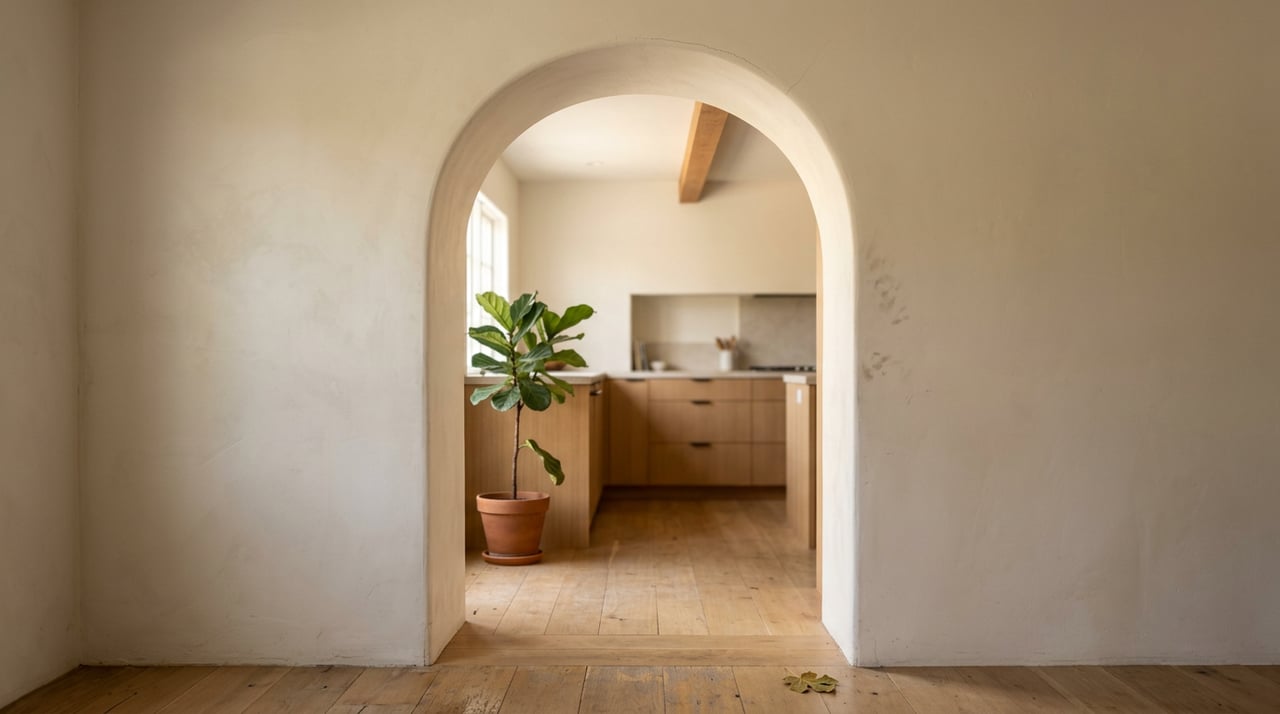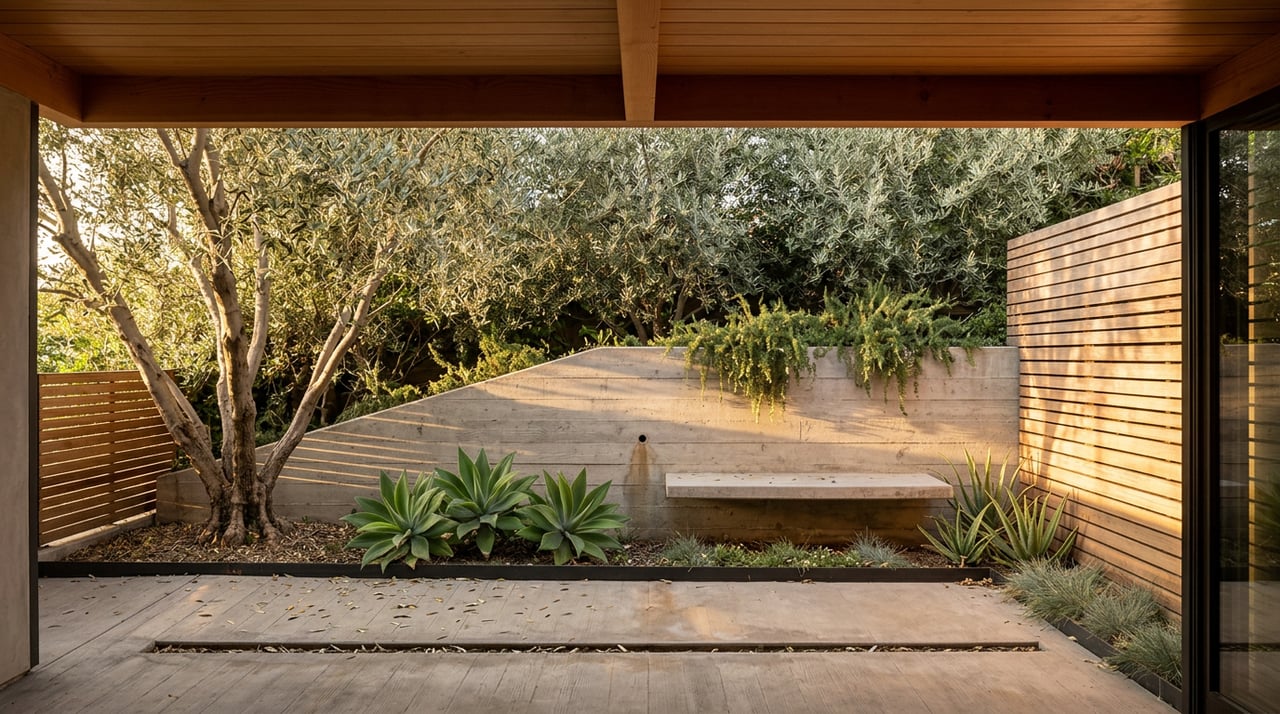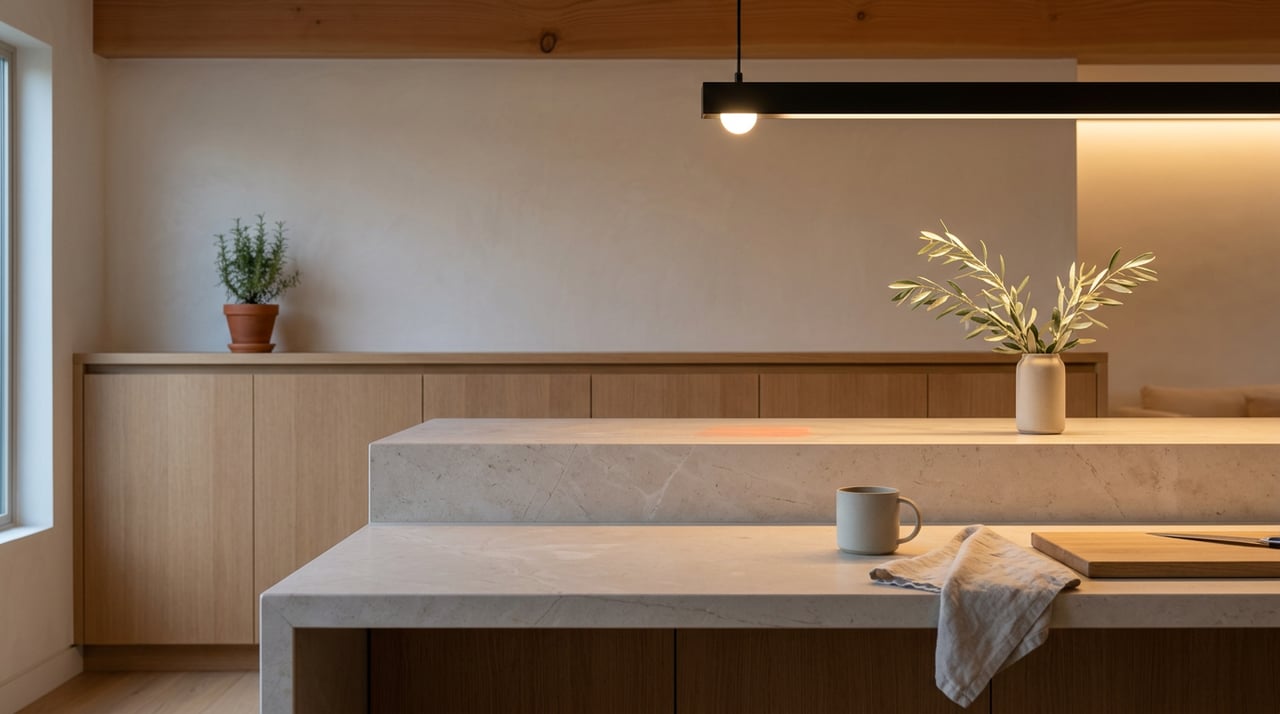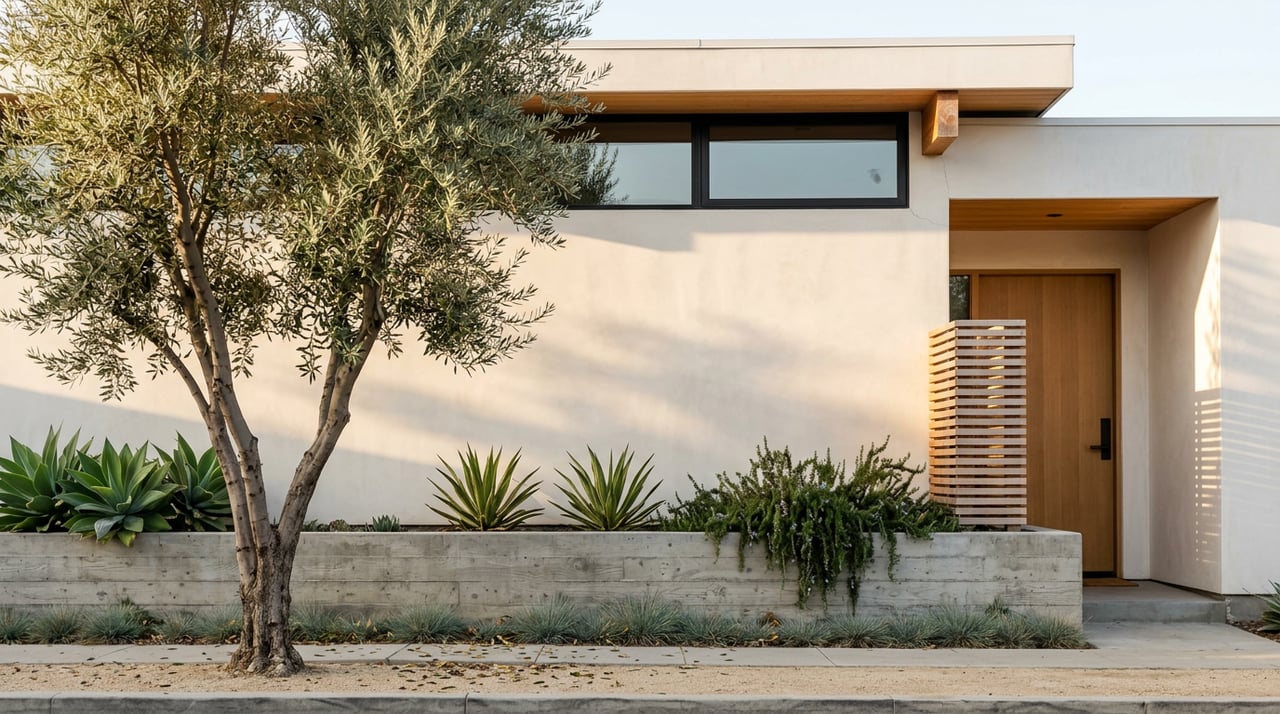
If you are selling a Silver Lake architectural home, generic luxury marketing is rarely enough. In a neighborhood known for important Modern residences, steep hillside sites, and a strong design identity, buyers and editors often respond to a property’s story as much as its square footage. When your home has architectural pedigree, the right strategy can shape who sees it, how they understand it, and how seriously they value it. Let’s dive in.
Silver Lake Needs Specialized Marketing
Silver Lake is not just another Los Angeles neighborhood with stylish homes. Los Angeles City Planning describes it as one of the city’s 10 original open-reservoir communities and notes that the area around the reservoir contains some of the city’s finest architecture, including works by Richard Neutra, Rudolph Schindler, and Gregory Ain.
That local context matters because it changes the audience. A buyer looking at a Silver Lake architectural home may be comparing not only price and layout, but also provenance, design integrity, and how the home relates to its site. Design media often looks for those same qualities.
SurveyLA reinforces this point. It identifies the Silver Lake, Echo Park, and Elysian Valley area as one of Los Angeles’s most important concentrations of Early Modern, International Style, and Mid-Century Modern residences, with works by architects such as Neutra, Schindler, Raphael Soriano, Harwell Hamilton Harris, John Lautner, and A.E. Morris.
Why Design Media Can Matter
For the right property, design media can do more than create buzz. It can place the home in a cultural conversation that helps design-conscious buyers understand why the residence stands apart.
That is especially relevant in Silver Lake, where neighborhood identity and architectural history often support the listing narrative. City planning documents tie the area to a rich collection of Modern homes, a reservoir-centered setting, and a long-standing creative and artistic character.
Editorial outlets also have a clear appetite for this kind of home. Architectural Digest describes itself as an international design authority covering innovative homes, luxury real estate, architecture, and interiors, while Dwell emphasizes home tours and real estate, and Wallpaper* covers architecture, design, art, travel, and entertaining.
For a notable architectural listing, that means your marketing plan should not stop at broad exposure. It should consider how the home may be framed for readers and buyers who care deeply about design.
Start With the Architectural Story
A strong marketing brief begins with facts, not hype. Los Angeles City Planning’s monument guidance makes this clear by calling for significance statements grounded in documentary evidence and cautioning against unsupported claims like “unique,” “only,” or “first” unless those statements can be proven.
In practice, the most compelling story usually centers on a few essentials:
- Architect and builder, if known
- Date of construction
- Architectural style
- Original client or ownership history, if documented
- Notable materials and design features
- Restoration or preservation work
- The home’s relationship to the hillside or lot
That last point is especially important in Silver Lake. SurveyLA notes that many hillside houses in the area were designed in direct response to the terrain, using stilt construction, stepped forms, and cantilevers. Those details are not just technical notes. They help explain why the house looks and lives the way it does.
Neighborhood Context Strengthens the Pitch
When a home sits in a place with recognized architectural significance, the surrounding context becomes part of the value story. SurveyLA recorded the Silver Lake Residential Historic District as a pre-World War II automobile suburb with a concentration of Period Revival and Mid-Century Modern architecture.
That means the listing narrative should not isolate the home from its setting. Instead, it should show how the residence fits into Silver Lake’s broader architectural landscape, whether the property is a classic Modern hillside house, an early residence, or a thoughtfully preserved home within a historically important pocket.
For design media, this gives editors a fuller angle. For buyers, it offers a clearer sense of place and provenance.
Photography Should Feel Authentic
Photography for an architectural home should feel considered, but not overworked. That balance matters because consumer-facing marketing and editorial media often value different things.
The National Association of Realtors’ 2025 staging profile found that 83% of buyers’ agents said staging makes it easier for buyers to visualize a property as a future home. The living room, primary bedroom, and dining room were the most commonly staged spaces.
At the same time, Dwell’s editorial standards state that it does not stage home shoots and that furniture and art shown in its photo shoots belong to the residents. It also emphasizes first-hand reporting and avoiding heavy retouching.
Taken together, those facts point to a smart middle path for Silver Lake architectural marketing. You want the home to feel polished and legible, while still preserving the truth of the architecture.
What the Visual Package Should Show
For a design-forward listing, the image set should do more than make rooms look attractive. It should document the home clearly and show why the architecture matters.
A strong visual package often highlights:
- Built-ins and original details
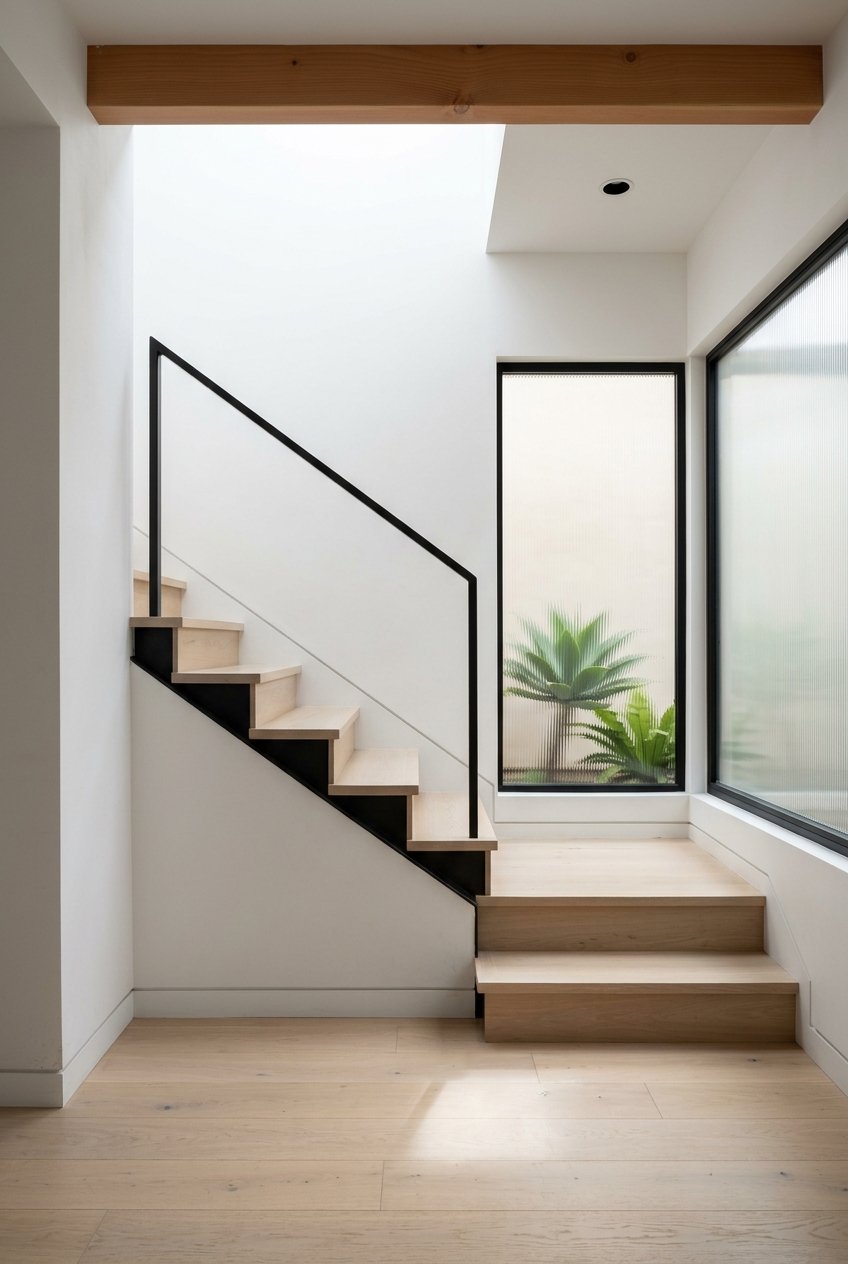
- Glazing and natural light
- Material texture and restraint
- Indoor-outdoor continuity
- Key sightlines through the house
- How the structure sits in the landscape
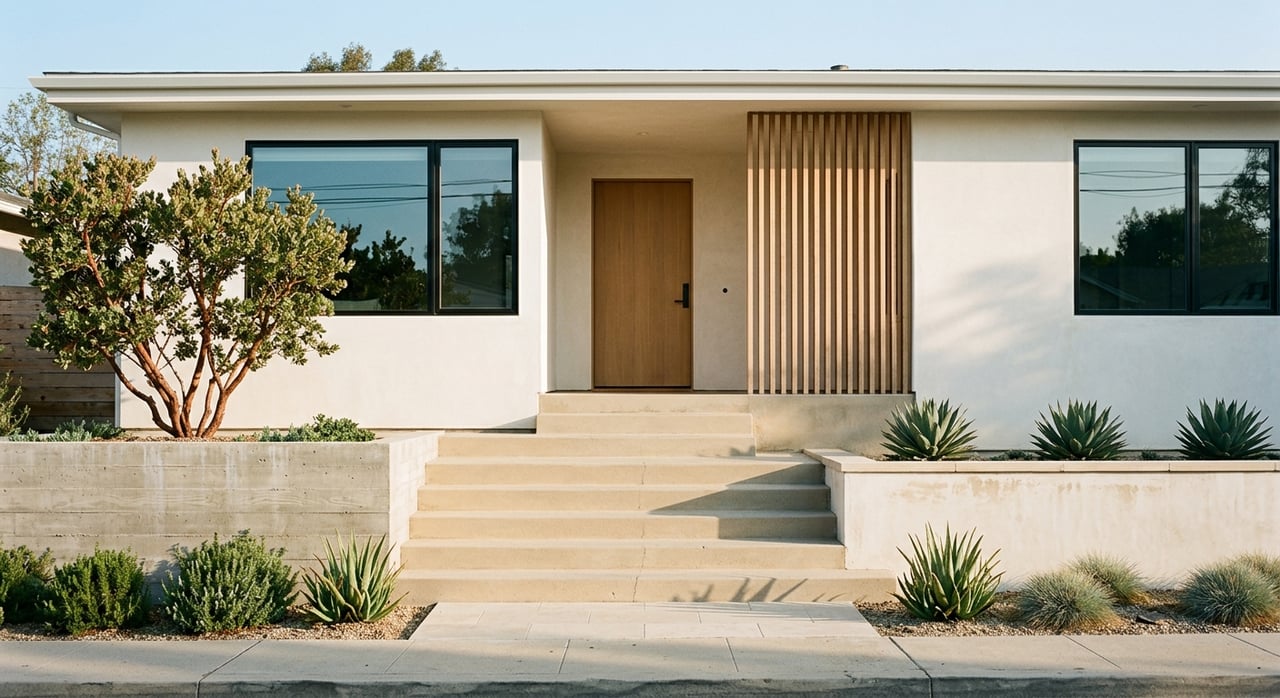
- The front facade and primary architectural features
This approach also aligns with local preservation documentation standards. Los Angeles monument instructions emphasize factual physical descriptions, primary-facade photography, notes on alterations, and supporting documentation such as permits and other records.
If a home has architectural pedigree, that archive of images and source material can strengthen both marketing and credibility.
Press Materials Need Real Substance
A design-media pitch should feel concise, informed, and easy to evaluate. Editors are not just looking for luxury finishes. They are looking for a home with a clear point of view and a verifiable story.
Useful materials often include:
- A short architectural thesis
- A provenance timeline
- Architect and builder credits
- A clean floor plan
- Key restoration notes
- A photo sequence that shows the home’s site response
This kind of package helps the property read as a serious architectural offering rather than a standard listing with premium branding. It also supports a more disciplined outreach strategy.
Curated Outreach Beats a Broad Blast
Not every important home should be promoted the same way. For some Silver Lake listings, especially those where privacy matters, a curated media and buyer strategy can be more effective than a wide, noisy campaign.
That approach fits the realities of architectural marketing. Some properties benefit from a selective release of images, a controlled story angle, and a focused outreach list that respects both the home’s significance and the seller’s discretion.
It also reflects how design outlets operate. Their coverage is editorial, not promotional in the ordinary sense, so the pitch needs to be tailored, factual, and visually strong.
International Reach May Support the Strategy
A design-media plan can also widen the audience beyond local buyers. According to NAR, foreign buyers purchased $56 billion worth of U.S. existing homes from April 2024 through March 2025, and California accounted for 15% of foreign-buyer destinations.
That does not prove a Silver Lake-specific audience on its own. Still, it supports the idea that a design-forward California home may attract attention from buyers who follow architecture and luxury real estate globally.
For sellers, that means presentation quality matters even more. The story, photography, and positioning all need to communicate clearly across a wider audience.
Historic Rules Can Shape the Marketing Conversation
If the home is in a local historic district, local preservation rules may affect how buyers and sellers think about the property. Los Angeles HPOZ rules state that exterior work, including landscaping, alterations, additions, new construction, and in some cases paint, is subject to additional review.
Work completed without review can also lead to code-enforcement action. For a seller, this makes accuracy and documentation especially important during preparation and marketing.
There may also be preservation-related incentives for qualified properties. Los Angeles City Planning notes potential tools such as the Mills Act property-tax reduction for Historic-Cultural Monuments and contributing properties in HPOZs, along with the California Historical Building Code and adaptive-reuse tools for qualified historic resources.
What Sellers Should Prioritize
If you are preparing to market a Silver Lake architectural residence to design media, focus on clarity before volume. The best campaigns usually begin with a disciplined review of what is documented, what is visually compelling, and what story the property can honestly support.
A smart seller checklist includes:
- Confirm documented architect, date, and style
- Gather permits, plans, and restoration records
- Identify original or preserved architectural features
- Prepare a clean, restrained photo strategy
- Develop a concise narrative tied to the house and site
- Review whether local historic rules apply
- Decide how public or private the rollout should be
In Silver Lake, the difference between ordinary exposure and meaningful attention often comes down to curation. When the house is marketed with architectural respect and editorial discipline, the right buyers are more likely to see its full value.
If you are considering the sale of a notable home and want a strategy built around provenance, presentation, and discretion, RSR Real Estate can help you shape a private consultation and a tailored plan.
FAQs
What makes a Silver Lake architectural home different to market?
- Silver Lake has a documented concentration of important Modern, Early Modern, International Style, Mid-Century Modern, and Period Revival homes, so buyers often evaluate architectural significance, provenance, and site response alongside standard property features.
Why would design media matter for a Silver Lake home sale?
- Design media can help frame an architecturally notable home as part of a larger design conversation, which may attract design-conscious buyers who value story, preservation, and presentation.
What should a Silver Lake architectural listing story include?
- The strongest listing narratives are usually built around documented facts such as the architect, construction date, style, materials, restoration history, original client if known, and how the home responds to its hillside site.
How should photography work for a Silver Lake architectural listing?
- The best visual strategy is usually polished but authentic, with clear images of built-ins, glazing, textures, facade views, and indoor-outdoor relationships rather than heavy styling or excessive retouching.
What should sellers know about historic rules in Silver Lake?
- If a property is in a local historic district, exterior changes may be subject to additional city review, so sellers should confirm applicable rules and gather documentation before marketing or planning improvements.