Thinking about a home tucked into the Hollywood Hills with storybook charm and winding streets? If you are eyeing Beachwood Canyon, you will likely encounter its Historic Preservation Overlay Zone. That can feel intimidating at first, especially if you plan to remodel or add space. This guide breaks down how HPOZ rules work, how they affect buying and renovations, and the smart steps to protect your timeline and budget. Let’s dive in.
What an HPOZ means
In Los Angeles, a Historic Preservation Overlay Zone protects the character of historically significant neighborhoods. The City’s Office of Historic Resources and City Planning administer the program. Each HPOZ has a Preservation Plan that outlines what is protected, how projects are reviewed, and which features define the neighborhood’s character.
Most HPOZ rules focus on what you can see from the street. Exterior elements like windows, doors, roof forms, porches, additions, and fences are typically regulated. Interior work is usually not regulated unless specific interior elements are designated in the plan.
Beachwood Canyon basics
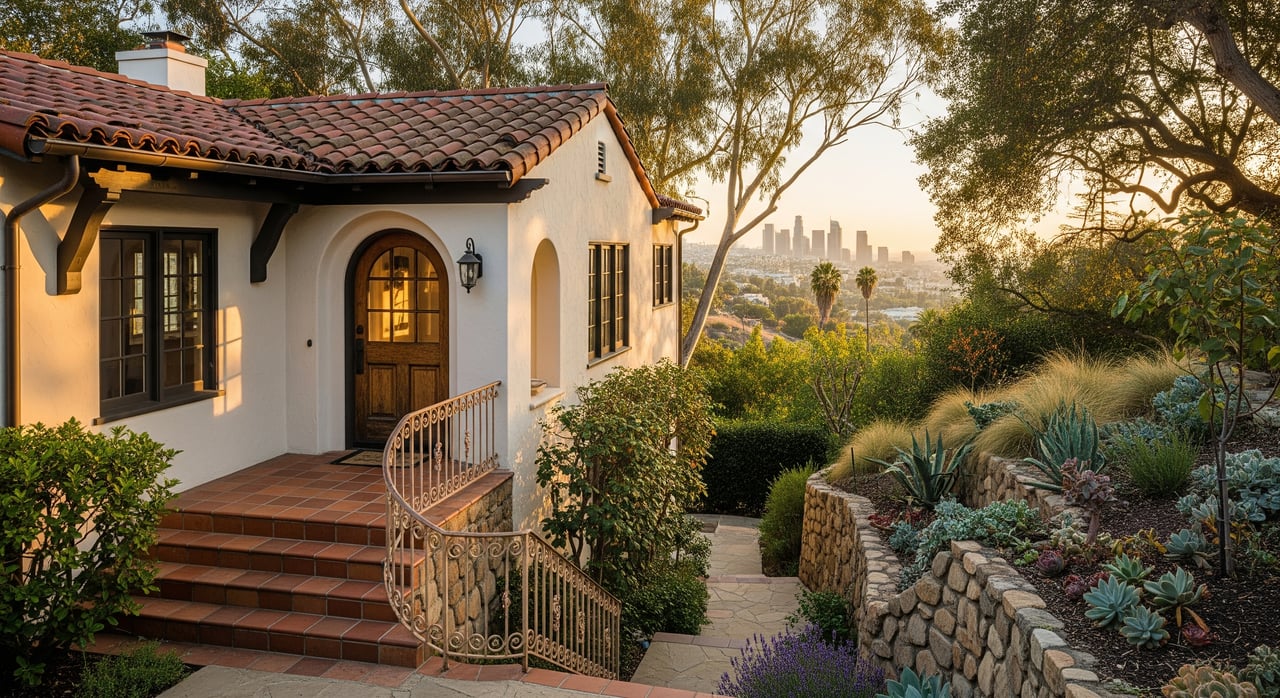
Beachwood Canyon sits in the Hollywood Hills and is known for early 20th-century homes, eclectic storybook cottages, and period architecture. Streets are narrow and winding, with mature landscaping and hillside views. The HPOZ aims to preserve that visual character and scale.
The hillside setting influences more than aesthetics. Steep slopes, limited access, and high fire risk shape construction logistics, review timelines, and insurance planning. Expect those realities to play a role in your purchase and any future work.
Contributing vs non-contributing
Every HPOZ has a Historic Resources Inventory that classifies properties. A Contributing property helps tell the neighborhood’s historic story and faces stricter review. A Non-Contributing property usually has more flexibility, though compatibility still matters.
If you are comparing homes, confirm the property’s status in the HPOZ inventory and Preservation Plan. Your approach to design, budgeting, and timing will differ depending on how the property is classified.
What needs review
Not everything triggers a formal review. Routine maintenance and in-kind repairs are often exempt, such as repainting in existing colors or fixing materials to match what is there.
Changes that affect the exterior view typically require review. That includes alterations to windows and doors, roofing materials or forms, porches, additions, new fences and walls, new construction, and demolition. Solar installations are generally encouraged, but panels visible from the street may need placement or screening adjustments.
Interior alterations are usually outside HPOZ jurisdiction unless interiors are specifically designated. Plan ahead if your project includes both exterior and interior work, since the exterior portion will likely be subject to design review.
Permits and approvals
You will usually navigate two processes. One is HPOZ design review through City Planning, guided by the Preservation Plan and the Secretary of the Interior’s Standards for Rehabilitation. The other is building permits through the Los Angeles Department of Building and Safety.
Reviews can be administrative or go to the HPOZ Board. Administrative reviews are typically quicker for minor work. Board hearings are used for more complex projects and follow the Board’s meeting schedule.
Demolition is carefully scrutinized, especially for contributing resources. Even if demolition is proposed, procedures can delay action while alternatives are evaluated.
Typical timelines
Minor administrative approvals often take days to weeks if your plans are complete. Board-level reviews can take weeks to several months, especially if designs need revisions or if you are coordinating with the Board’s monthly schedule.
Do not forget permit plan check with the building department, which can add weeks or months depending on scope. If you intend to remodel soon after closing, build these timeframes into your offer and escrow, and consider contingencies tied to approvals.
Costs and Mills Act
Standard city permit fees still apply. There can be additional application or environmental review fees depending on the scope. Soft costs are often higher in HPOZs because plans must align with preservation guidelines and may involve added documentation.
Some properties may benefit from a Mills Act historic property contract, which can reduce property taxes in exchange for ongoing maintenance commitments. Not all properties qualify, and contracts are selective. Confirm eligibility and current contract status before relying on potential tax savings.
Hillside realities
Beachwood Canyon’s slopes and soils often require geotechnical reports for foundation work, retaining walls, and drainage. Those studies can influence design and permit timelines and add to engineering and construction costs.
The area is in a high fire-risk zone. Brush clearance, defensible space, and access requirements from the Los Angeles Fire Department and Cal Fire apply. These rules can affect landscaping choices, setbacks, and materials. Insurance costs or availability can also be impacted in higher wildfire-risk areas, so it helps to obtain quotes early.
Narrow streets and limited parking shape construction logistics. Staging areas, haul routes, and delivery windows may need planning and approvals. Older utility infrastructure can prompt coordination with providers if you are upgrading service capacity.
ADUs and additions
California state laws support accessory dwelling units. Local jurisdictions can apply objective standards and design review in HPOZs but cannot use historic status to arbitrarily prevent ADUs that meet the rules. Expect review focused on placement and visual compatibility.
Additions and new construction are evaluated for scale, massing, setbacks, roof forms, and materials. Designs that defer to the main building and streetscape typically move more smoothly through review.
Due diligence checklist
Use this quick list before you write an offer or during escrow:
- Confirm HPOZ status and classification. Check the Beachwood Canyon HPOZ map and Historic Resources Inventory to see if the property is Contributing or Non-Contributing.
- Read the Preservation Plan. Focus on character-defining features, materials guidance, and public-right-of-way elements.
- Ask the seller for documentation. Request past permits, plan sets, HPOZ approvals, evidence of in-kind repairs, and any Mills Act contracts or open code cases.
- Verify permits and violations. Order a permit history from the building department and check with City Planning for open HPOZ or enforcement matters.
- Plan site-specific assessments. If you intend to build, budget for architectural plans, potential preservation consulting, geotechnical and structural studies, and a fire and landscape strategy that meets local rules.
- Clarify escrow contingencies. Include time and approval contingencies if your purchase depends on remodel approvals. Define who pays for revisions, permits, and any mitigation.
- Choose experienced professionals. Architects and contractors familiar with LA HPOZ procedures and hillside work can anticipate constraints and streamline review.
Renovation categories
Painting and maintenance
In-kind maintenance and repainting in the same colors are often allowed without review. A new color scheme on a street-facing elevation may require approval if it alters the historic appearance.
Windows and doors
When visible from the street, window and door replacements typically require review. Policies often prioritize repairing original elements or using replacements that match historic profiles and materials. Vinyl or visibly mismatched replacements are commonly discouraged.
Roofing
Changes to roof material or form that are visible from public ways usually need review. Matching existing slopes and historically appropriate materials helps preserve the streetscape.
Additions and new construction
Scale, massing, setbacks, roof form, and materials are key. Subordinate additions that respect the original structure tend to fare better than oversized, visually dominant forms.
Demolition
Demolition of contributing resources faces significant scrutiny. For non-contributing structures, demolition can still be reviewed for site context and neighborhood impact.
Solar and mechanical equipment
Solar is generally supported. Panels should be placed to minimize street visibility. Large, visible rooftop equipment or ground-mounted arrays may need mitigation or alternative placement.
ADUs and accessory structures
State law supports ADUs, while HPOZ design review focuses on visual compatibility. Garages and other detached structures typically require review for placement and design harmony.
Workflow and timeline
A realistic sequence for most projects looks like this:
- Identify property and classification. Days.
- Review the Preservation Plan and prior approvals. Days to weeks.
- Engage an architect with HPOZ experience. Weeks to onboard and draft.
- Prepare HPOZ submittal. Weeks for drawings and materials.
- Administrative review or HPOZ Board hearing. Days to weeks for admin; several weeks to months for Board, depending on schedules and revisions.
- Building permit plan check. Weeks to months, tied to scope and corrections.
- Construction. Timeline varies and can be extended by hillside or mitigation requirements.
For major additions or demolition, allow several months for complete entitlements and permits.
Escrow and contract tips
If your purchase hinges on a remodel or addition, build in time. Use contingencies that cover HPOZ approvals and permits. Specify who pays for plan changes, historic studies, or mitigation if required by the City.
Price and timing should reflect the likely path through administrative review or a Board hearing. If you are competing in a tight market, a well-prepared plan and realistic schedule can help you write a strong, credible offer without overreaching.
What this means for you
Beachwood Canyon’s HPOZ does not freeze homes in time. It balances preservation with thoughtful upgrades that respect the hillside streetscape. If you align your design with the Preservation Plan, prepare complete submittals, and account for the hillside and fire context, your project is more likely to move smoothly.
If you value historic character, the HPOZ can be a feature, not a barrier. A measured approach to due diligence and design will protect your investment and preserve what makes the canyon special.
Ready to refine your search, pressure-test a remodel plan, or position an offer with smart contingencies? Request a Private Consultation with RSR Real Estate for discreet, design-forward buyer representation aligned with Beachwood Canyon’s unique character.
FAQs
How Beachwood Canyon HPOZ status affects remodeling plans
- Exterior changes visible from the street usually need HPOZ design review, while interior work is typically outside the HPOZ unless specifically designated.
How to confirm if a Beachwood property is contributing
- Check the Beachwood Canyon HPOZ Historic Resources Inventory and Preservation Plan to see if the property is listed as Contributing or Non-Contributing.
What timelines to expect for HPOZ approvals in Los Angeles
- Minor administrative approvals can take days to weeks; Board-level reviews and complex projects often require weeks to months, plus building permit plan check.
Whether ADUs are allowed in the Beachwood Canyon HPOZ
- State law supports ADUs that meet objective standards; HPOZ review focuses on design compatibility and minimizing street visibility.
How wildfire risk factors into Beachwood Canyon homeownership
- The area is high fire-risk, so brush clearance, defensible space, and access requirements apply and can affect landscaping and insurance.
What the Mills Act could mean for Beachwood Canyon buyers
- Eligible historic properties may qualify for tax savings through a Mills Act contract, which requires ongoing maintenance and is not available for every home.