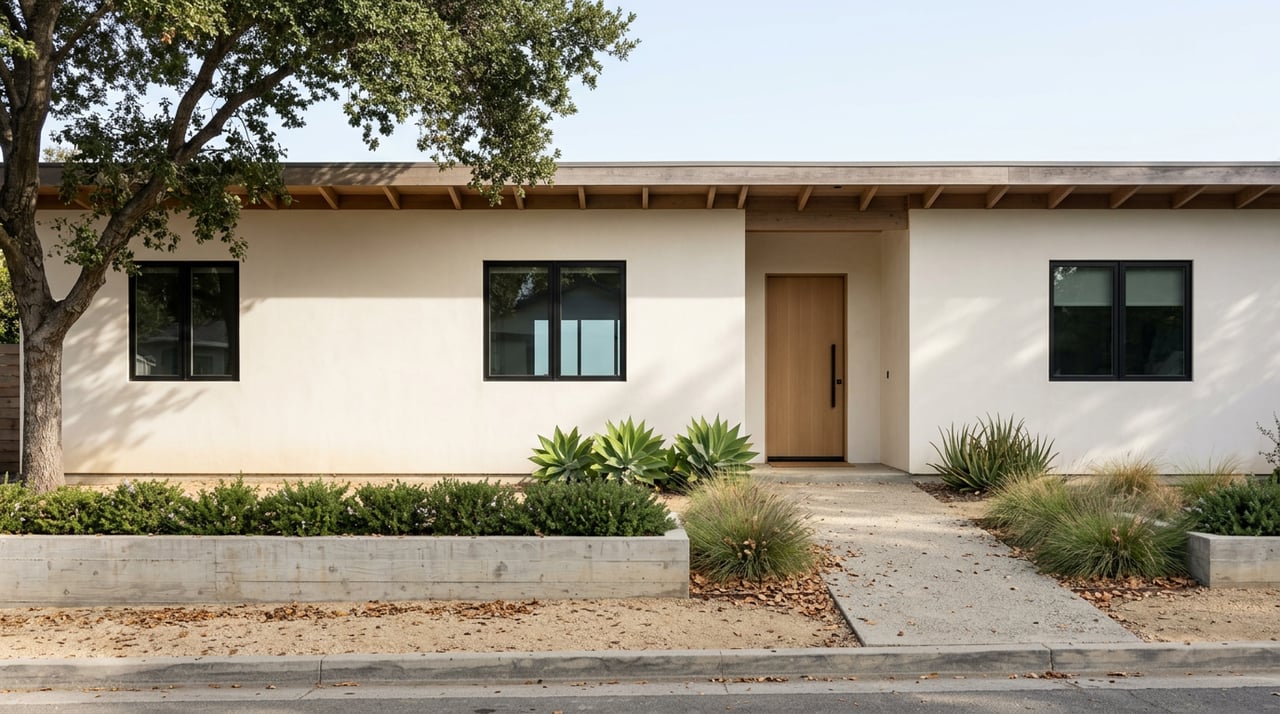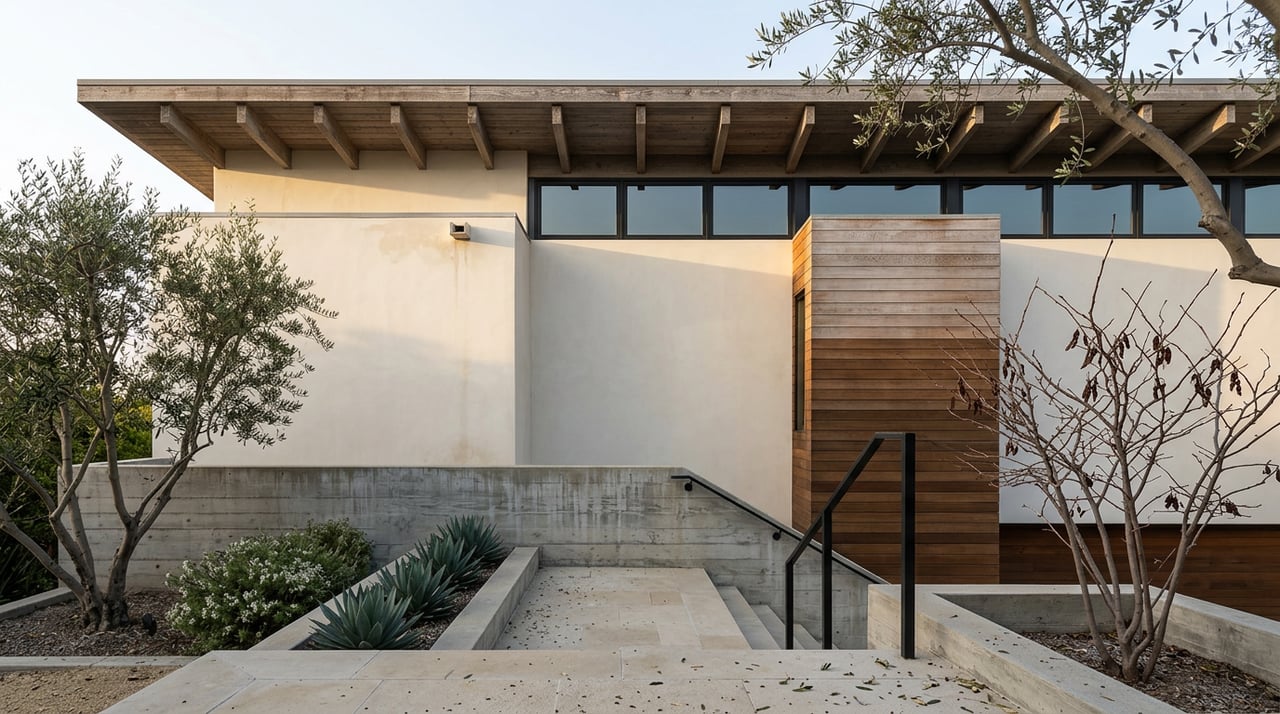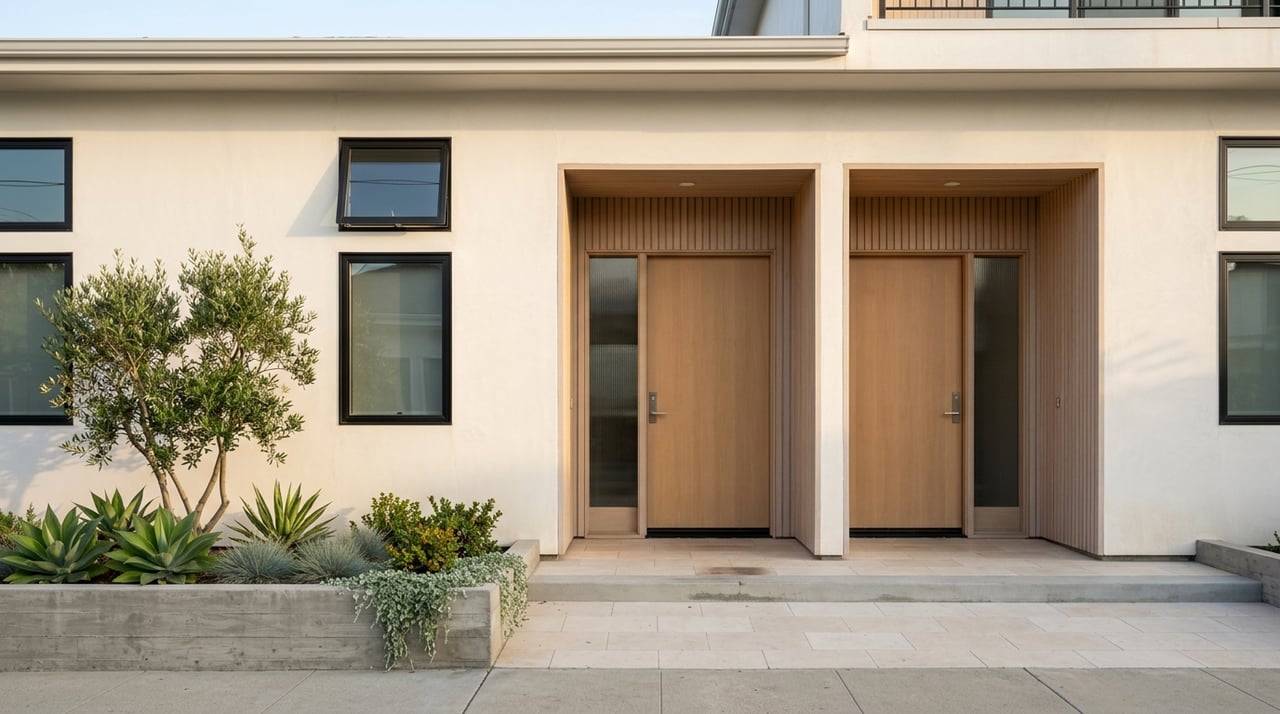
If you are thinking about owning a small income property in Los Feliz, you are not just buying real estate. You are stepping into a neighborhood where architecture, location, and city rules all shape the ownership experience. That can feel exciting and a little complex at the same time. This guide will help you understand what makes Los Feliz distinctive, what to review before you buy, and how to think about a 2 to 4 unit property as both a home and an operating asset. Let’s dive in.
Why Los Feliz stands out
Los Feliz offers a mix that is hard to replicate in Los Angeles. It sits within the Hollywood Community Plan area, which the City updated in January 2025, and it is known for concentrated pockets of period-revival and storybook architecture from the 1920s and 1930s. For many buyers, that means the appeal goes well beyond square footage.
In practical terms, a small income property here can carry both lifestyle value and operational complexity. You may be drawn to a duplex or triplex for its charm, views, or original detail, but your ownership decisions may also be shaped by rent rules, historic review, zoning, and building condition. In Los Feliz, character and compliance often go hand in hand.
What small income properties look like
Much of Los Angeles multifamily housing from this era includes duplexes, triplexes, courtyard apartments, and apartment houses. In Los Feliz, city planning materials specifically reference French Norman Revival multifamily buildings and 1930s courtyard apartments. That gives the neighborhood a visual identity that design-minded buyers often value.
These properties can feel more personal than larger apartment buildings. A two to four unit property may offer a more residential scale, distinctive facades, shared gardens or courtyards, and details that are difficult to reproduce today. For an owner, that can create long-term appeal, but it can also mean more careful maintenance and renovation planning.
Why renters are drawn to Los Feliz
Tenant demand in Los Feliz is tied to more than just the units themselves. The neighborhood benefits from access to Griffith Park and Griffith Observatory, along with cultural destinations like Barnsdall Art Park. LADOT’s DASH Observatory/Los Feliz route also connects key local stops including Vermont/Sunset Station, the Greek Theatre, Griffith Observatory, and Los Feliz/Hillhurst.
That mix of parks, arts access, views, and transit convenience can support steady interest from renters who want a connected, centrally located neighborhood. Older commercial corridors and historic streetcar-era patterns also help explain why smaller income properties often sit near walkable areas and transit access.
Think like both an owner and an operator
A small income property in Los Feliz is best viewed as a hybrid purchase. It can support your lifestyle if you plan to live in one unit, and it can also generate rental income. At the same time, it should be evaluated like a business.
A simple underwriting approach starts with gross rent, then subtracts vacancy, operating expenses, debt service, and reserves. Common expense categories can include insurance, interest, real estate taxes, repairs, utilities, and professional fees. If you are reviewing a property with existing tenants, the current rent roll tells only part of the story. The local regulatory framework matters just as much.
Financing a 2 to 4 unit property
If you want to live in one unit and rent the others, financing options may be available for 1 to 4 unit owner-occupied properties. Research sources note that FHA loans can be used on 1 to 4 unit properties, and Freddie Mac offers mortgage products for 2 to 4 unit owner-occupied primary residences. The broad takeaway is that owner-occupied small income property financing does exist.
That said, program rules, income treatment, and down payment expectations can vary by loan type and lender. Before you focus too heavily on projected returns, it helps to understand how your lender will evaluate rental income, reserves, and occupancy plans. Clear loan strategy early on can save time later.
Los Angeles taxes to plan for
Property tax is one of the biggest line items to model before you buy. Los Angeles County states that the general levy is 1% of assessed value, plus voter-approved debt and direct assessments. That means your actual annual tax bill is often higher than a simple 1% estimate.
The County also notes that property is generally reappraised when ownership changes or new construction is completed. For buyers, that matters because a supplemental tax bill may arrive after closing. If you are underwriting conservatively, it is wise to account for that possibility upfront.
Rent rules can shape your strategy
For small income property buyers in Los Feliz, rent regulation is one of the most important issues to review before making an offer. If the property is in the City of Los Angeles, the Rent Stabilization Ordinance generally applies to rental properties first built on or before October 1, 1978. That can include apartments, condos, townhomes, duplexes, and two or more single-family dwelling units on the same parcel.
LAHD’s current calculator shows the annual allowable RSO increase is 3% for the period from July 1, 2025 through June 30, 2026. If a property is subject to RSO, that can affect future income growth, renovation timing, and hold strategy. A beautifully located duplex may still underperform expectations if the rent assumptions are not grounded in actual city rules.
Even if a property is not covered by RSO, Los Angeles rules still matter. LAHD states that the City’s Just Cause Ordinance applies to rental units not subject to RSO, with a current fee of $31.05 per unit per year. State law also creates a separate baseline for many rentals, including just cause requirements after 12 months of lawful occupancy and statewide rent caps that may apply unless an exemption exists. In practice, local rules may be stricter, so buyers should start with the city framework first.
Registration and filing deadlines matter
Owning a rental property in Los Angeles comes with annual administrative requirements. LAHD states that all units rented or offered for rent must be registered annually. New owners have 45 days to register and to file temporary exemptions if applicable.
These deadlines are easy to overlook during a busy closing period. Still, they are part of the real operating picture. If you are buying a small income property for passive income, it helps to remember that there is an active compliance side to ownership.
Eviction procedures are highly specific
If you own RSO units, tenancy changes are not just about lease language. LAHD states that notices to terminate RSO tenancies must be filed within three business days of service. It also notes that no-fault evictions require relocation assistance.
This is one reason due diligence should include a close review of tenancy status and seller records. The legal and financial implications of inherited tenancies can be significant, especially in an older Los Feliz property where rents, building condition, and renovation goals may not line up neatly.
Older buildings need extra review
Many of Los Feliz’s most appealing properties are older, and that age can affect both cost and scope. LADBS states that the mandatory soft-story retrofit program does not apply to residential buildings with 3 or fewer units. However, 4-unit buildings with 2 or more stories, pre-1978 construction, and ground-floor parking or similar open space may fall within the program.
That means a fourplex may need a different level of structural review than a duplex or triplex. You do not want to discover a major retrofit issue after closing. Early review of building records and physical conditions can help you avoid expensive surprises.
Historic review may affect renovation plans
Los Feliz is known for its architectural character, and that can come with added review requirements. If a parcel is in a Historic Preservation Overlay Zone or is otherwise recognized as a historic resource, the City states that exterior work, additions, landscaping, and new construction can require additional review.
For buyers who value design and want to improve a property thoughtfully, this is not necessarily a drawback. It simply means your renovation timeline, approvals, and design scope may need to be more deliberate. In a neighborhood like Los Feliz, preserving character can be part of protecting long-term value.
Start due diligence with city tools
Before you make an offer, city tools should be part of your standard review process. LAHD directs property owners and buyers to ZIMAS to verify zoning and RSO status. The City also points to HistoricPlacesLA and ZIMAS for checking designated historic resources.
In Los Feliz, this step is especially important because older housing stock, possible historic designation, and rent-regulated tenancies can all affect your plans. A property that looks straightforward at first glance may have a very different risk and opportunity profile once those records are reviewed.
A practical Los Feliz checklist
If you are evaluating a small income property in Los Feliz, keep this checklist in mind:
- Confirm the number of units and basic building configuration
- Review current tenancy, rent amounts, and occupancy history
- Check RSO status through city tools
- Verify zoning and any historic designation or overlay status
- Review whether annual LAHD registration applies
- Ask whether any Just Cause Ordinance fees apply
- Model property taxes using reassessment and supplemental tax bill scenarios
- Review building age and whether a 4-unit structure may trigger soft-story review
- Estimate reserves for repairs, maintenance, and compliance-related work
- Match your purchase plan to your ownership goal, whether that is owner-occupancy, long-term hold, or portfolio diversification
The real opportunity in Los Feliz
The appeal of owning a small income property in Los Feliz is not just monthly rent. It is the chance to own a piece of a neighborhood with strong architectural identity, cultural landmarks, and lasting lifestyle appeal. For many buyers, that combination is what makes a duplex, triplex, or fourplex here feel more meaningful than a simple spreadsheet exercise.
Still, success usually comes from balancing taste with discipline. The best acquisitions are often the ones where the design story, the rental framework, and the city requirements all make sense together. When you approach Los Feliz with both curiosity and careful due diligence, you put yourself in a much stronger position.
If you are considering a small income property in Los Feliz and want guidance that respects both the numbers and the architecture, RSR Real Estate can help you evaluate opportunities with care, discretion, and local insight.
FAQs
What makes a small income property in Los Feliz different from one in another Los Angeles neighborhood?
- Los Feliz combines historic architecture, older multifamily building stock, access to parks and cultural destinations, and local city rules that can affect rents, renovations, and long-term ownership strategy.
What types of small income properties are common in Los Feliz?
- Buyers commonly encounter duplexes, triplexes, courtyard apartments, and other small multifamily properties, including many buildings from the 1920s and 1930s.
What rent rules should buyers check for a Los Feliz income property?
- Buyers should verify whether a property falls under the City of Los Angeles Rent Stabilization Ordinance, review any Just Cause Ordinance requirements, and understand that state rules may also apply.
What property tax issue should Los Feliz buyers plan for after closing?
- Los Angeles County may reappraise the property after a change in ownership, and that can lead to a supplemental tax bill after closing.
What building condition issue matters for older Los Feliz fourplexes?
- Some 4-unit buildings may need review for the City’s soft-story retrofit program if they meet the stated age, height, and ground-floor configuration criteria.
What city tools should buyers use before buying a Los Feliz small income property?
- Buyers should start with ZIMAS to check zoning and RSO status, and use HistoricPlacesLA and ZIMAS to review whether a property has historic designation or related review constraints.