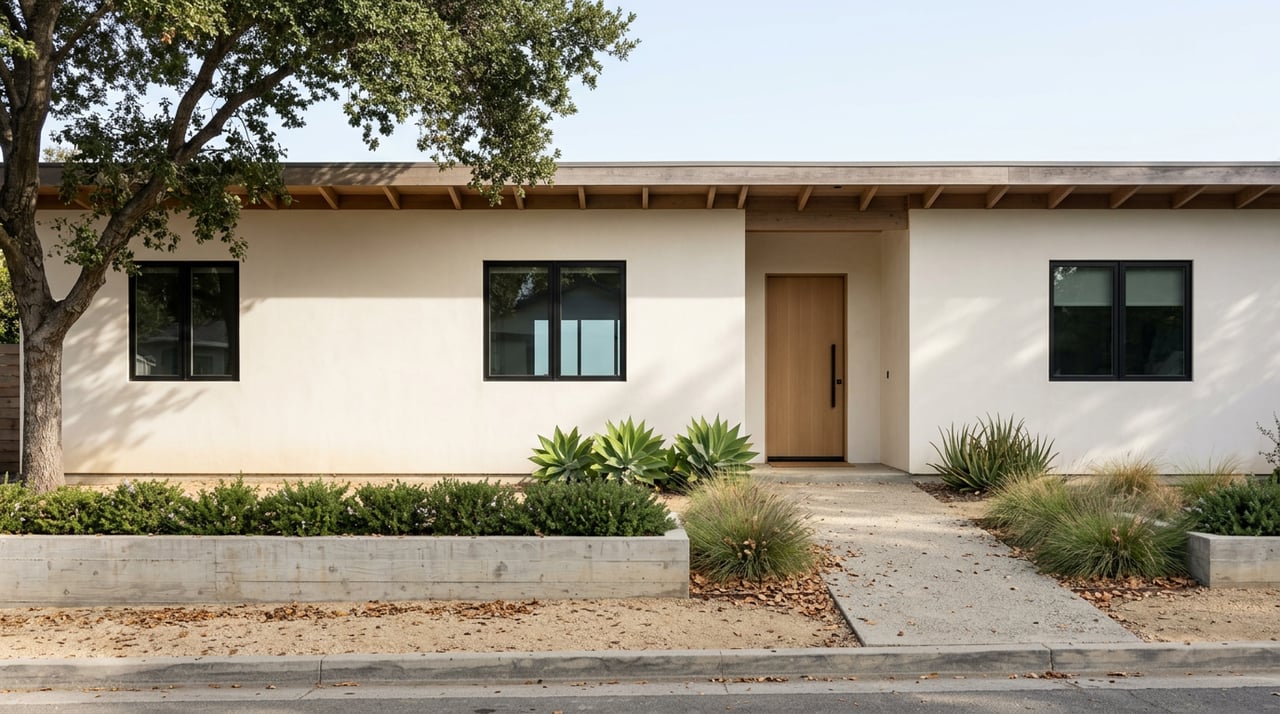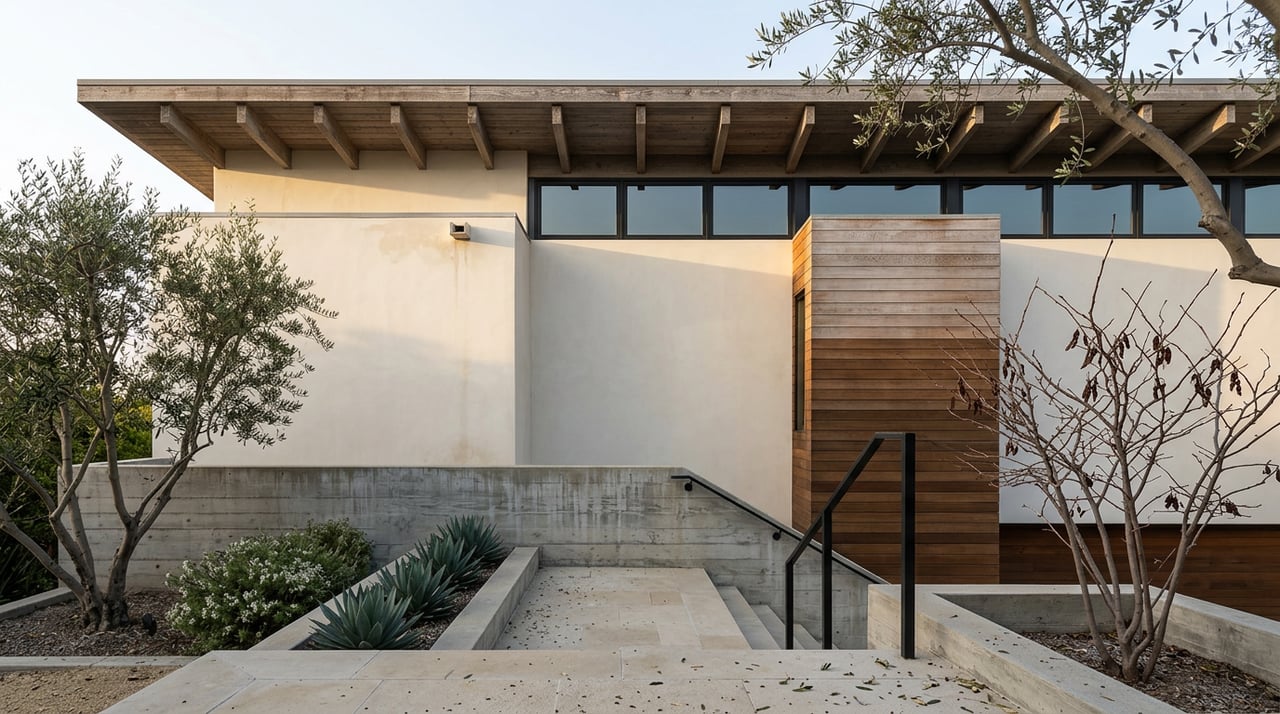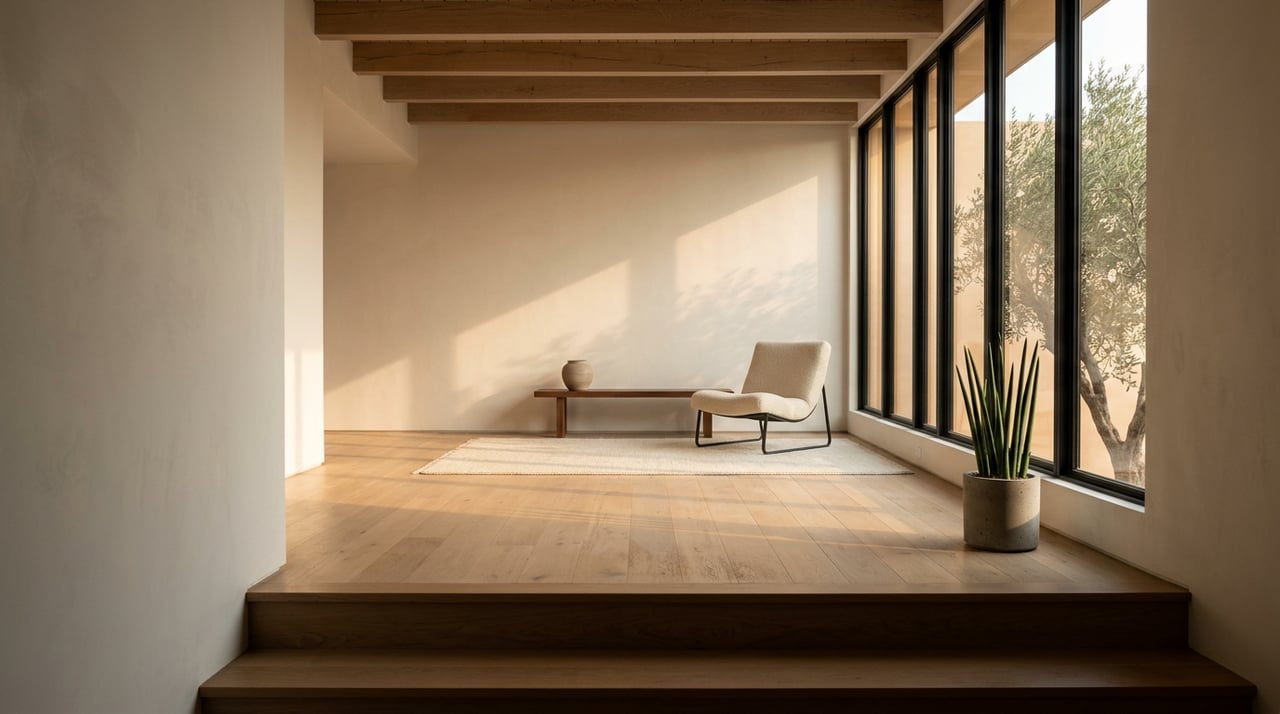
Last October, seven pieces of furniture debuted in a private home on a residential block in Highland Park. The collection was called The Uncollection, the first release from a new direct-to-consumer furniture brand named oforo, founded by designer Leonard Bessemer. There was no gallery opening, no downtown warehouse, no press-release venue. Just a house, a neighborhood, and a few hundred people who walked over to see it.
That stop was one piece of LA Design Weekend, the citywide event that treats the city's studios, galleries, and private homes as its only real venue. This year the event runs September 30 through October 4, and Highland Park is again part of the route, named alongside Downtown's Arts District, Frogtown, Atwater Village, and Echo Park as one of the neighborhoods the weekend moves through day by day.
The easy read is that Highland Park got added to a list. The more accurate read is the opposite: the event goes where the rooms already exist. A living room in Highland Park hosting a furniture debut isn't the neighborhood borrowing cultural credibility from somewhere else. It's evidence that the credibility was already sitting on that block.
How the Weekend Actually Works
LA Design Weekend has no central venue and no single ticket. It's built as a self-guided circuit: across the run, more than 100 studios, galleries, and cultural spaces open their doors, and attendees move between them on foot, by bike, or by rideshare. Nobody buys one pass and enters one building. You plan a route.
That structure matters for how the event lands in a neighborhood. A festival with a fixed venue can be dropped anywhere with enough parking and a stage. A festival built on open studios can only exist where the studios already are. The organizers said as much after an earlier edition, describing the event's energy as coming from a community that was already there, already making things, already sitting on space they were willing to open for a weekend.
Last year's edition drew more than 12,000 attendees across 120-plus hosts spread over 15-plus neighborhoods. That's not a single flagship show. That's a citywide index of where working designers, ceramicists, furniture makers, and gallerists actually keep their spaces, block by block. Highland Park's inclusion in that index, two years running now, says something about density that a single opening never could.
What Happens When the Host Guide Meets the Street
The organizers publish tips for the people opening their doors, and one line stands out for what it says about how the weekend actually behaves on the ground: proximity is what drives foot traffic. Events near other studios or galleries see more visitors, because once someone finds one open door, they look for the next one on the same block instead of driving across town for a single stop.
That detail explains why Highland Park keeps making the cut. The neighborhood doesn't need one marquee host to justify inclusion. It needs enough working spaces within walking distance of each other that a visitor who stops at one ends up finding three more without getting back in a car. Group shows with multiple hosts consistently pulled the highest turnout in past years, which is another way of saying the weekend rewards neighborhoods that already have creative density rather than neighborhoods that can produce one impressive single venue.
The Other Stage Highland Park Already Has
Design Weekend isn't the only place this pattern shows up this fall. This September, Pacific Opera Project is staging the U.S. premiere of Gaetano Donizetti's 1823 comedy Il fortunato inganno at the Garibaldina Mutual Benefit Society, a Highland Park hall with no obvious reason to be hosting a lost bel canto opera unless you already knew the neighborhood has been quietly collecting rooms like this one for years.
Neither event needed Highland Park. Both chose it. A design brand could debut furniture in a downtown loft. An opera company could rent a black box anywhere in the city. They ended up in Highland Park instead, in a private house and a mutual benefit hall respectively, because the rooms were there and the walk between things made sense.
What a Saturday Actually Looks Like
If you already live here, the practical version of all this is simple. LA Design Weekend publishes its full lineup and addresses shortly before the event through its own site, and the smart way to spend a Saturday during the run is the way the organizers designed it to be spent: on foot, starting at one open studio and letting proximity do the rest rather than trying to plan a driving route across the city.
A few things worth knowing before you go:
- The event is self-guided and largely free, though some hosted evening events require RSVP.
- Addresses aren't centralized in one directory months in advance. The published schedule fills in closer to the dates, so checking the week of gives you the real map rather than a placeholder.
- Group shows and clustered studios draw the most foot traffic for a reason: you can walk between four or five stops without moving your car once.
- Parking on residential blocks near a hosted event thins out fast. Plan to walk from wherever you park, and expect other neighbors doing the same.
None of this requires treating the weekend as a tourist itinerary. It's closer to what a farmers market or a favorite trail already is here: a recurring fixture that rewards the people who already know the streets well enough to walk them without a map.
The Actual Claim Worth Sitting With
It would be easy to write this as "Highland Park makes it onto another cool list," and move on. But that undersells what the pattern actually shows. LA Design Weekend doesn't build venues. It finds them. Its organizers have said the whole model depends on a community that already has the studios, the workspaces, and the spare rooms willing to be opened for a weekend. When that model routes through Highland Park two years running, and when a separate, unrelated opera company picks the same neighborhood for a U.S. premiere this same season, the honest conclusion isn't that Highland Park got discovered. It's that the rooms were already full of the kind of work these events exist to showcase, and outside organizers finally started routing their maps through streets that had been doing this quietly for a while.
That's a different story than the one about a neighborhood on the rise. It's a story about a neighborhood that had already arrived and just hadn't been asked to host yet. For anyone who already calls Highland Park home, that distinction is worth knowing before the first weekend in October, if only so you recognize the pattern the next time an event with no fixed venue decides your block is worth the walk.
For more on how Highland Park's creative texture keeps showing up in the details of daily life here, our field notes from York and Figueroa and our weekend guide to the neighborhood's galleries and cafes track the same pattern from different angles. You can also browse our full Highland Park neighborhood page for a broader look at the area.
If you're curious how this kind of cultural density shapes the way RSR Real Estate talks about Highland Park with design-minded buyers and sellers, we're always glad to talk through what we're seeing on the ground. Request a private consultation whenever the conversation makes sense for you.